
The Effects of Technology in Our Daily Lives
The Future of Technology: New Discoveries
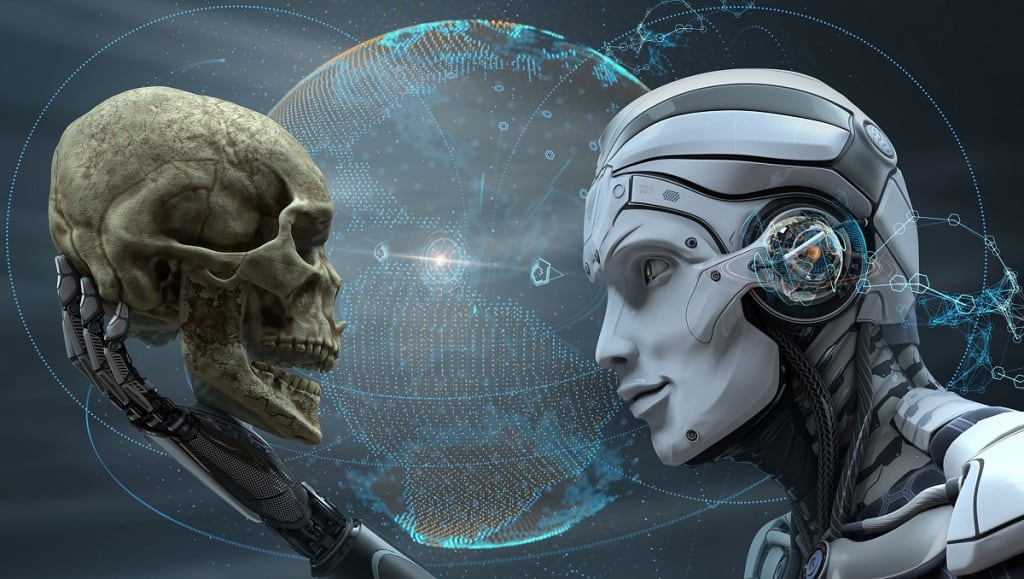
The world is changing rapidly, and technology is advancing faster than ever before. From artificial intelligence to quantum computing, there are countless new technologies emerging that have the potential to change the world as we know it. In this article, we'll explore some of the most exciting new discoveries in technology and what they might mean for the future.
Artificial Intelligence
Artificial intelligence (AI) has been around for decades, but recent advances have made it more powerful than ever before. Machine learning algorithms, which allow computers to learn from data and improve over time, have made AI more effective at tasks like image recognition, language translation, and even playing games like Go and chess.
In the future, AI has the potential to revolutionize a wide range of industries, from healthcare to finance to manufacturing. With the ability to analyze vast amounts of data quickly and accurately, AI could help us make better decisions, diagnose diseases more accurately, and even design more efficient products and services.
Quantum Computing
Quantum computing is a new kind of computing that uses quantum mechanics to perform calculations. Unlike classical computers, which use bits that can be either 0 or 1, quantum computers use qubits that can be both 0 and 1 at the same time. This allows quantum computers to perform certain kinds of calculations much faster than classical computers.
While quantum computers are still in the early stages of development, they have the potential to transform a wide range of fields, from cryptography to drug discovery to climate modeling. With the ability to perform complex simulations and optimizations quickly and accurately, quantum computers could help us solve some of the biggest problems facing society today.
Gene Editing
Gene editing is a rapidly evolving field of science that has the potential to revolutionize how we treat genetic diseases and even to change the course of human evolution. At its core, gene editing is the process of manipulating an organism's DNA in order to alter its genetic makeup.
There are several different methods of gene editing, but one of the most widely used is CRISPR-Cas9, a tool that allows scientists to precisely cut and paste specific genes in order to add or delete specific traits. This technology has already been used to treat genetic diseases such as sickle cell anemia and to create new, genetically modified organisms.
While the potential benefits of gene editing are significant, there are also serious ethical considerations to take into account. Some worry that gene editing could be used to create "designer babies" or to enhance certain traits such as intelligence or physical appearance, leading to a world of genetic haves and have-nots. There is also the potential for unintended consequences, such as unintended mutations or unforeseen environmental impacts.
Despite these concerns, the field of gene editing continues to advance at a rapid pace. Researchers are working to refine existing techniques and to develop new ones that could make gene editing more precise and effective. At the same time, regulators and policymakers are grappling with the ethical implications of this technology and how best to balance its potential benefits with its potential risks.
Conclusion
These are just a few of the exciting new discoveries in technology that are shaping the future. From AI to quantum computing to gene editing, there are countless new technologies emerging that have the potential to change the world. As we continue to explore these technologies, we'll unlock new possibilities and push the boundaries of what's possible. The future is bright, and we can't wait to see what's next.
About the Creator
Keep reading
More stories from writers in Education and other communities.
Portable Thickness Gauge Explained: Accurate Measurements Anywhere, Anytime
In modern industries, precision is not a luxury—it is a necessity. From ensuring product quality to maintaining structural safety, accurate thickness measurement plays a vital role. This is where portable thickness gauges come into focus. As the demand for on-site inspections grows, Portable Thickness Gauge Explained: Accurate Measurements Anywhere, Anytime becomes a topic every engineer, inspector, and technician should understand.
By Abdul Alim7 days ago in Education
Why Tailwheel Training Still Matters for Pilots in Today’s Aviation World
Tailwheel Training may sound old fashioned to some pilots, but it still plays an important role in modern aviation. Many training aircraft today use tricycle landing gear, which feels easier and more forgiving. This has led some pilots to believe that tailwheel skills are no longer needed. That idea is incorrect. Tailwheel Training teaches core flying skills that improve safety, control, and awareness in any aircraft.
By Duke Valentour7 days ago in Education
🅼🅸🅳🅽🅸🅶🅷🆃 🆂🅽🅰🅲🅺🆂
"It's 10 in Tuscon! We all know what that means... It's Time for Midnight Snacks with your man, Gerald Gee! Ready to spend the night together? Me too! I'm full of snacks and can't wait to regurgitate them all back into your hungry ears. Crack a brew! Pop some corn! Anything to get ready for one hell of a show where the talk maybe cheap but the words cut deep...
By Lamar Wiggins7 days ago in Fiction


Comments
There are no comments for this story
Be the first to respond and start the conversation.