
The Economic Strategy of China
Before and After


China's economic strategy has undergone significant transformations over the years. While I can provide you with an overview of China's past and ongoing economic strategies, please note that my knowledge cutoff is in September 2021, and there might have been further developments since then. Here are some key aspects of China's economic strategy:
1. Export-Oriented Development: China's economic strategy has historically been centered around export-led growth. The country has been a major global exporter of manufactured goods, capitalizing on its large labor force, low production costs, and competitive manufacturing capabilities. China has actively pursued trade agreements, established special economic zones, and attracted foreign direct investment to bolster its export-oriented approach.
2. State-Led Industrialization: China has employed a state-led approach to industrialization, emphasizing the development of strategic industries and sectors. The government has played a crucial role in guiding economic development through policies, planning, and investment. Key sectors targeted for development include technology, telecommunications, aerospace, automotive, renewable energy, and high-tech manufacturing.
3. Innovation and Technology: In recent years, China has made concerted efforts to transition from a manufacturing-based economy to one focused on innovation and technology. The "Made in China 2025" initiative, launched in 2015, aims to transform China into a global leader in high-tech industries such as artificial intelligence, robotics, biotechnology, and clean energy. The government has provided substantial support through funding, research grants, and favorable policies to promote innovation and entrepreneurship.
4. Belt and Road Initiative (BRI): China's BRI is an ambitious infrastructure development and connectivity project that aims to strengthen economic ties with countries across Asia, Europe, Africa, and beyond. It encompasses a network of infrastructure projects, including roads, railways, ports, and pipelines, along with trade and investment facilitation measures. The BRI aims to enhance regional trade, foster economic cooperation, and expand China's influence globally.

5. Domestic Consumption: Recognizing the need for rebalancing its economy, China has placed increasing emphasis on stimulating domestic consumption to drive economic growth. The government has implemented policies to boost household income, improve social welfare, and promote a consumer-driven economy. The rising middle class in China presents significant opportunities for domestic consumption growth in areas such as retail, e-commerce, healthcare, and services.
6. Financial Sector Reform: China has embarked on financial sector reforms to promote a more market-oriented and efficient financial system. These reforms include liberalizing interest rates, increasing the role of capital markets, improving corporate governance, and opening up the financial sector to foreign investment. China's aim is to develop a robust and transparent financial system that supports sustainable economic growth and reduces risks.
7. Environmental Sustainability: In recent years, China has prioritized environmental sustainability and green development. The government has implemented policies to reduce pollution, promote clean energy, and improve energy efficiency. China has become a global leader in renewable energy investment and aims to transition to a low-carbon economy. This includes initiatives such as carbon emissions trading, renewable energy targets, and stricter environmental regulations.
It's important to note that China's economic strategy continues to evolve, and new policies and initiatives may have been introduced since my knowledge cutoff. Additionally, geopolitical factors and global economic conditions can influence China's economic approach.

As my knowledge is based on information available up until September 2021, I can provide a general overview of China's economic situation at that time. However, I may not have the most up-to-date information on the current state of China's economy. It's important to consult recent and reliable sources for the latest economic data and developments.
Before September 2021, China's economy had shown signs of recovery following the impact of the COVID-19 pandemic. The country had implemented measures to control the virus and gradually reopened economic activities. Here are some key points regarding China's economy at that time:
1. Economic Growth: China has been one of the fastest-growing major economies in the world for several decades. It had maintained a growth rate of around 6% to 7% in the years leading up to 2021. However, the pandemic caused a significant slowdown in early 2020, with China's GDP growth contracting by 6.8% in the first quarter. Subsequently, the economy rebounded, and China's GDP growth reached 2.3% for the full year 2020.
2. Domestic Consumption: China has been working to shift its economy towards domestic consumption as a driver of growth. The rising middle class and increasing disposable income have contributed to robust domestic demand. However, the pandemic and associated lockdowns temporarily impacted consumer spending patterns. The government has been implementing policies to stimulate domestic consumption and boost the services sector.
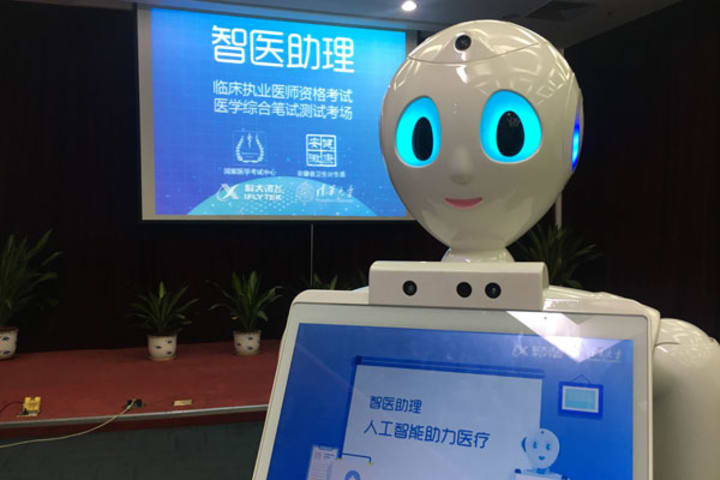
3. Technology and Innovation: China has placed a strong emphasis on technological advancement and innovation. The country has made significant progress in areas such as 5G, artificial intelligence, e-commerce, and fintech. The government has supported the development of high-tech industries through investment, subsidies, and regulatory support. Technology and innovation have become important pillars of China's economic strategy.
4. Trade and Foreign Investment: China has been a major player in global trade and has pursued an open-door policy to attract foreign investment. The country has engaged in various trade agreements and initiatives, including the Belt and Road Initiative (BRI) mentioned earlier. However, China's trade relations with some countries, notably the United States, have experienced tensions and trade disputes, leading to the imposition of tariffs and other trade restrictions.
5. Financial Sector Reforms: China has been implementing reforms in its financial sector to address issues such as debt levels, shadow banking, and improving risk management. The government has taken steps to strengthen regulations, increase transparency, and open up the financial sector to foreign investment. These reforms aim to enhance the stability and efficiency of China's financial system.
6. Environmental Sustainability: China has been prioritizing environmental sustainability and green development. The government has implemented measures to reduce air pollution, promote renewable energy, and address climate change. China has been the world's largest investor in renewable energy sources like solar and wind power. It has set ambitious targets for carbon neutrality, aiming to reach peak carbon emissions by 2030 and achieve carbon neutrality by 2060.
It's important to note that the economic situation can change rapidly, and new developments may have occurred since my last knowledge update. For the most current information on China's economy, I recommend referring to recent reports from reputable sources such as government publications, international organizations, and financial institutions.
About the Creator
Dan IsEnjoyingLife
Chill, Relax and Enjoy Life is my Priority.
Please Subscribe for more Chilling, Relaxing and Enjoying Article, Thank You.
Keep reading
More stories from Dan IsEnjoyingLife and writers in Education and other communities.
Greek Mythology
Greek mythology refers to the collection of myths, legends, and stories that originated in ancient Greece. It encompasses the beliefs and narratives of the ancient Greeks, who used mythology to explain natural phenomena, understand the world around them, and explore the nature of gods, heroes, and humans.
By Dan IsEnjoyingLife3 years ago in Education
Breaking Spiritual Strongholds
Many believers love God and sincerely desire to live victorious lives, yet they sometimes feel trapped by recurring struggles. These struggles may appear as persistent fear, discouragement, addiction, negative thinking, or spiritual oppression. No matter how much someone prays or tries to move forward, certain battles seem to repeat themselves.
By Errick Ruffinabout 2 hours ago in Education




Comments
There are no comments for this story
Be the first to respond and start the conversation.