
The E-commerce Revolution: Why E-commerce is the Future and How Marketing Automation Offers a Lucrative Career Path
Embracing the Digital Age: The E-commerce Revolution and the Lucrative Path of Marketing Automation
Abstract:
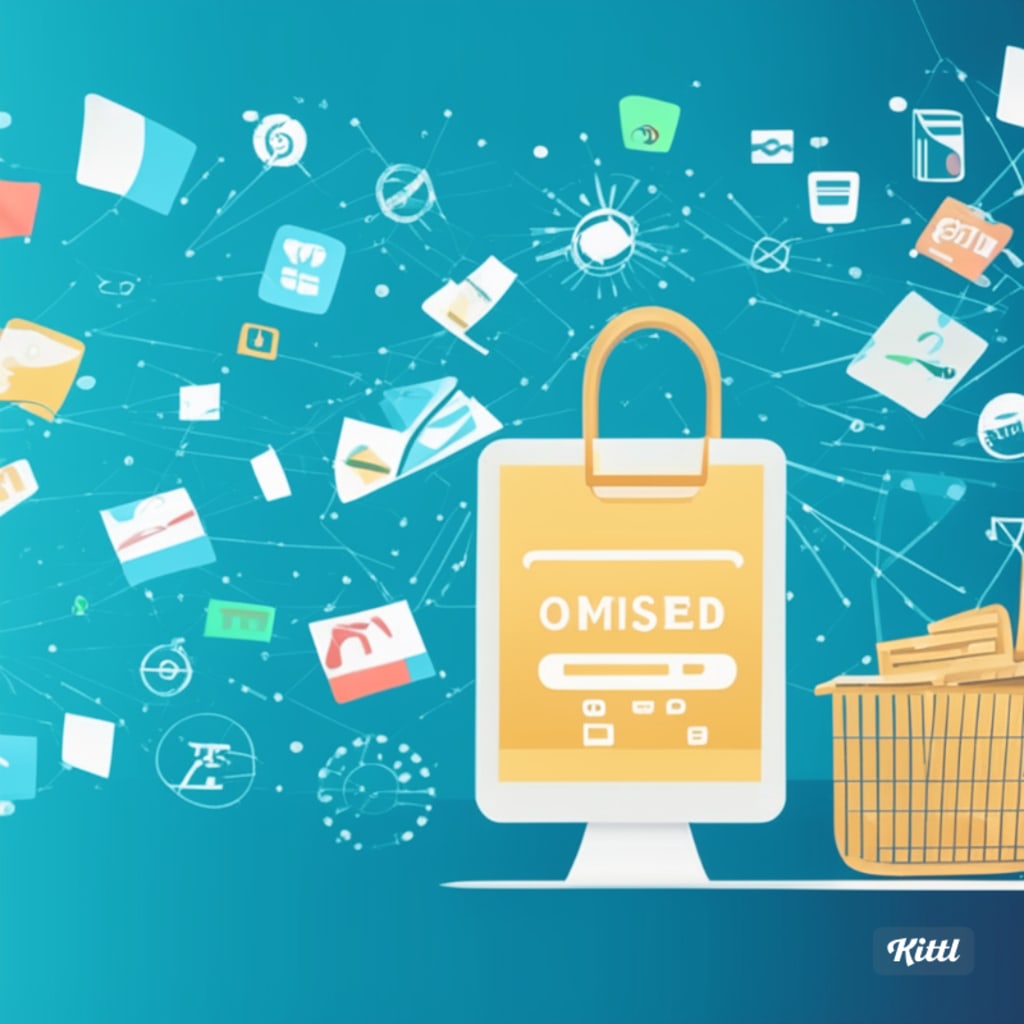
The 21st century has witnessed an unprecedented shift in consumer behavior, with a growing preference for online shopping. E-commerce, the practice of buying and selling goods and services through the internet, has emerged as a dominant force in the global economy. In this era of digital transformation, businesses must adapt and embrace e-commerce to thrive. One essential aspect of e-commerce success is marketing automation, which streamlines and enhances marketing efforts. This article explores the reasons why e-commerce is the future and how marketing automation presents a promising career path.

I. Introduction:
The Rise of E-commerce: Over the past few decades, the world has experienced a remarkable digital revolution. The advent of the internet has reshaped industries and disrupted traditional business models. E-commerce, a byproduct of this technological revolution, has redefined how consumers engage with brands and make purchase decisions.
II. The Advantages of E-commerce:
Global Reach and Market Penetration: E-commerce transcends geographical boundaries, allowing businesses to reach a global audience. This potential for expansive market penetration gives even small enterprises an opportunity to scale and compete on a global stage.

Convenience and Accessibility: Online shopping offers unparalleled convenience and accessibility. Consumers can browse through a wide range of products, compare prices, and make purchases from the comfort of their homes or on the go, at any time of day or night.
Personalization and Customer Insights: E-commerce platforms collect vast amounts of customer data, enabling businesses to offer personalized recommendations and experiences. This level of personalization fosters customer loyalty and drives repeat purchases.

Cost Efficiency and Lower Overheads: Running an e-commerce business often requires lower upfront costs and reduced operational expenses compared to traditional brick-and-mortar setups. This cost-efficiency has democratized entrepreneurship and fostered innovation.
III. The Digital Shift in Consumer Behavior:
Changing Consumer Habits: Millennials and Gen Z, who now constitute a significant portion of the consumer base, have grown up in a digitally connected world. Their preferences for seamless online experiences have accelerated the adoption of e-commerce.

Mobile Commerce (m-commerce): The widespread use of smartphones and mobile devices has further fueled the growth of e-commerce. Mobile apps and optimized websites offer a user-friendly and convenient shopping experience.
Social Media Influence: Social media platforms have evolved into powerful marketing channels. Influencer marketing and social commerce have emerged as potent tools for e-commerce brands to engage with their target audience.

IV. The Future of E-commerce:
Innovations in Augmented Reality (AR) and Virtual Reality (VR): AR and VR technologies are set to revolutionize the e-commerce landscape by enabling virtual try-ons and immersive shopping experiences. This convergence of technology and shopping is likely to reshape consumer behavior further.
Voice Commerce and AI-driven Chatbots: Voice-activated virtual assistants and AI-powered chatbots are simplifying the shopping process. These technologies enhance customer support and provide personalized recommendations based on consumer preferences and purchase history.

Sustainability and Ethical Consumerism: E-commerce businesses are increasingly focusing on sustainability and ethical practices to align with consumer values. The rise of eco-friendly and socially responsible brands will reshape the e-commerce landscape.
V. The Role of Marketing Automation in E-commerce Success:
Efficiency and Scale: Marketing automation tools streamline repetitive tasks, such as email marketing, social media posting, and lead nurturing. This efficiency allows businesses to scale their marketing efforts without a proportional increase in resources.

Personalization at Scale: Marketing automation enables businesses to deliver personalized content and offers to individual customers based on their behavior and preferences. This level of personalization enhances customer engagement and conversion rates.
Data-Driven Decision Making: Marketing automation platforms generate valuable data insights, enabling businesses to make data-driven decisions and optimize their marketing strategies for better results.

Improved Lead Generation and Customer Retention: Marketing automation nurtures leads through the sales funnel and keeps existing customers engaged with relevant content, thereby improving lead generation and customer retention.
VI. The Growing Demand for Marketing Automation Professionals:
Skill Gap in Marketing Automation: Despite the increasing importance of marketing automation, there is a significant skill gap in the job market. Businesses are actively seeking professionals with expertise in marketing automation tools and strategies.

Versatility and Cross-Industry Demand: Marketing automation skills are applicable across various industries, making it a versatile career choice. From e-commerce and technology to healthcare and finance, companies in every sector are incorporating marketing automation into their strategies.
Lucrative Salaries and Career Growth: Marketing automation specialists are in high demand, leading to competitive salaries and ample opportunities for career growth and advancement.
VII. How to Build a Career in Marketing Automation:
Acquiring the Necessary Skills: Aspiring marketing automation professionals should focus on gaining expertise in relevant tools and platforms, such as HubSpot, Marketo, Pardot, and others. Additionally, a solid foundation in digital marketing and data analytics is essential.
Continuous Learning: The field of marketing automation is continuously evolving, with new tools and strategies emerging regularly. Pursuing certifications, attending workshops, and staying updated on industry trends are crucial for career growth.

Practical Experience: Building a portfolio of real-world projects and practical experience is invaluable for showcasing one's skills to potential employers.
VIII. Conclusion:
The future of commerce undoubtedly lies in the digital realm, driven by the ever-growing e-commerce industry. As businesses strive to adapt and stay relevant in this dynamic landscape, marketing automation emerges as a critical factor for success. With its ability to streamline marketing efforts, deliver personalized experiences, and drive results, marketing automation offers an attractive career path for aspiring professionals.
The e-commerce revolution is still unfolding, presenting endless opportunities for businesses and individuals alike. Embracing e-commerce and harnessing the power of marketing automation will undoubtedly shape the future of commerce and revolutionize the way consumers interact with brands. As the demand for marketing automation expertise grows, professionals equipped with the necessary skills and knowledge are poised for a rewarding and fulfilling career journey.
About the Creator
Keep reading
More stories from nabil alami and writers in Education and other communities.
The Future of Email Marketing vs. Newsletters
Introduction The world of e-commerce has been rapidly evolving over the years, transforming the way businesses and consumers interact. Among the many digital marketing strategies available, email marketing and newsletters have emerged as powerful tools in driving sales, customer engagement, and brand loyalty. This essay delves into the reasons why e-commerce is the future and explores the significance of email marketing and newsletters in shaping this future.
By nabil alami2 years ago in Education
What is Affiliate Marketing: A Beginner's Step-by-Step Guide
Affiliate marketing is a performance-based online business model that generates over $12 billion annually in the U.S. alone and continues to grow as e-commerce expands. At its core, affiliate marketing allows individuals to earn commissions by promoting products or services created by other companies. Affiliates share unique tracking links through websites, blogs, social media, email lists, or videos, and earn a percentage of each sale or action completed through those links. Because affiliates don’t handle product creation, inventory, payment processing, or customer support, it’s one of the most accessible ways to monetize an online presence.
By Mohammad Sufyaan6 days ago in Education




Comments
There are no comments for this story
Be the first to respond and start the conversation.