
The difference between private and public schools
what to consider when choosing between public and private school
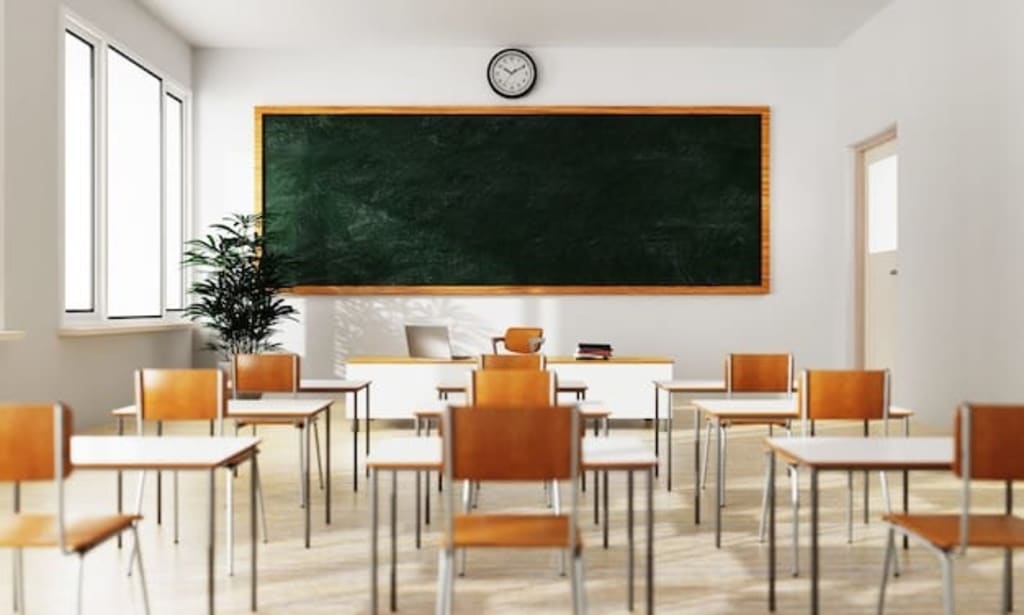
Public School:
Public schools are educational institutions that are funded and operated by the government. These schools are open to all students within a designated geographic area, and admission is typically based on residency. Public schools are funded through taxes and government budgets, and they are subject to government regulations and oversight.
Key features of public schools include:
Accessibility: Public schools are intended to provide education to all students within their jurisdiction, regardless of their socioeconomic background, religion, or other factors.
Funding: Public schools are funded through tax revenues and government budgets. They generally do not charge tuition fees, although there may be some fees for specific services or activities.
Curriculum: Public schools typically follow a standardized curriculum set by the government or educational authorities. The curriculum covers various subjects and is designed to meet national or regional educational standards.
Accountability: Public schools are accountable to the government and must adhere to certain regulations and standards. They are subject to regular evaluation and assessment.
Diversity: Public schools often have a diverse student population, reflecting the demographics of the surrounding area.
Private School:
Private schools are educational institutions that are privately funded and operated. They are not managed by the government and often have their own governing bodies or boards of directors. Private schools have more flexibility in their operations and are able to set their own curriculum and admission criteria.
Key features of private schools include:
Selective Admission: Private schools can be selective in admitting students and may have specific admission criteria such as academic achievement, interviews, or other assessments.
Funding: Private schools are funded through various sources, including tuition fees paid by students, endowments, donations, and sometimes government funding or subsidies.
Curriculum: Private schools have the autonomy to develop their own curriculum or adopt alternative educational approaches. They may emphasize specific academic programs, religious teachings, or other specialized areas of focus.
Flexibility: Private schools have more flexibility in terms of teaching methods, class sizes, and extracurricular activities. They can often provide a more tailored or specialized educational experience.
Accountability: While private schools have some level of accountability, they generally have more independence and are subject to less government regulation compared to public schools. They may have their own accreditation processes or membership in private school associations.
CLICK HERE FOR MORE https://vidiq.com/buff285
When choosing between public and private schools, several factors should be taken into consideration. Here are some key points to think about:
Cost: Public schools are funded by the government and generally do not charge tuition fees, while private schools require tuition payments. Consider your budget and financial capabilities when making a decision.
Academic Quality: Both public and private schools can provide quality education, but the academic reputation of individual schools may vary. Research the performance of schools in terms of standardized test scores, graduation rates, college placement, and any specific academic programs or extracurricular activities that are important to you.
Class Size and Teacher-to-Student Ratio: Private schools tend to have smaller class sizes and lower teacher-to-student ratios, which can allow for more individualized attention and support. Public schools, especially in densely populated areas, may have larger class sizes. Consider your child's learning style and needs when evaluating the importance of class size.
Curriculum and Specialized Programs: Evaluate the curriculum offered by both public and private schools to see if it aligns with your educational goals and values. Private schools often have more flexibility in designing their curriculum and may offer specialized programs in areas such as arts, sciences, technology, or foreign languages. Public schools generally follow a standardized curriculum mandated by the local education authority.
Values and Philosophy: Consider the values and educational philosophy of the schools you are considering. Private schools may have specific religious or cultural affiliations, while public schools are typically secular. Determine whether the school's values align with your family's beliefs and whether they promote an educational approach that suits your child's needs.
CLICK HERE FOR MORE https://vidiq.com/buff285
Diversity and Community: Assess the diversity of the student body and faculty in both public and private schools. Consider the importance of exposing your child to a diverse community and the impact it can have on their overall development and worldview. Additionally, evaluate the school's sense of community, parent involvement, and extracurricular activities, as these factors can contribute to your child's social experience.
Location and Transportation: Take into account the proximity of the schools to your home or workplace. Consider the transportation options available, such as bus services, carpooling, or walking distance. The convenience of commuting can significantly impact your child's daily routine.
About the Creator
Keep reading
More stories from John mbogo Mwandawiro and writers in Education and other communities.
HOW TO CHOOSE BEST FURNITURES
When choosing the best furniture for your space, there are several factors to consider. These factors include: Functionality: Consider how the furniture will be used and whether it serves its intended purpose. Think about the activities that will take place around the furniture and ensure it meets the functional requirements.
By John mbogo Mwandawiro3 years ago in Families
A Voice Measured in Bribes
A Voice Measured in Bribes In the heart of Shahpur, a town where the lanes whispered secrets and the market stalls hummed with life, lived Imran Malik, a man whose words had once carried weight. People would listen when he spoke at the town council meetings, not because he demanded attention, but because he spoke the truth. Yet, in Shahpur, truth had begun to have a price.
By Samaan Ahmad4 days ago in Education
The Mental Health Benefits of Spending Time on the Golf Course
Spending time on the golf course is often seen as a leisure activity or a competitive sport. Yet for many people, it offers much more than a good scorecard. Golf creates space for calm thinking, emotional balance, and mental clarity. As conversations around golf and mental health grow, it becomes clear that this game can play a meaningful role in supporting emotional well-being.
By Dr. Shawn Keller6 days ago in Education



Comments
There are no comments for this story
Be the first to respond and start the conversation.