
The Delicate Power of Elderflower: Unveiling its Medicinal and Culinary Wonders
Unlocking the Floral Elixir: Exploring the Enchanting World of Elderflower

Introduction
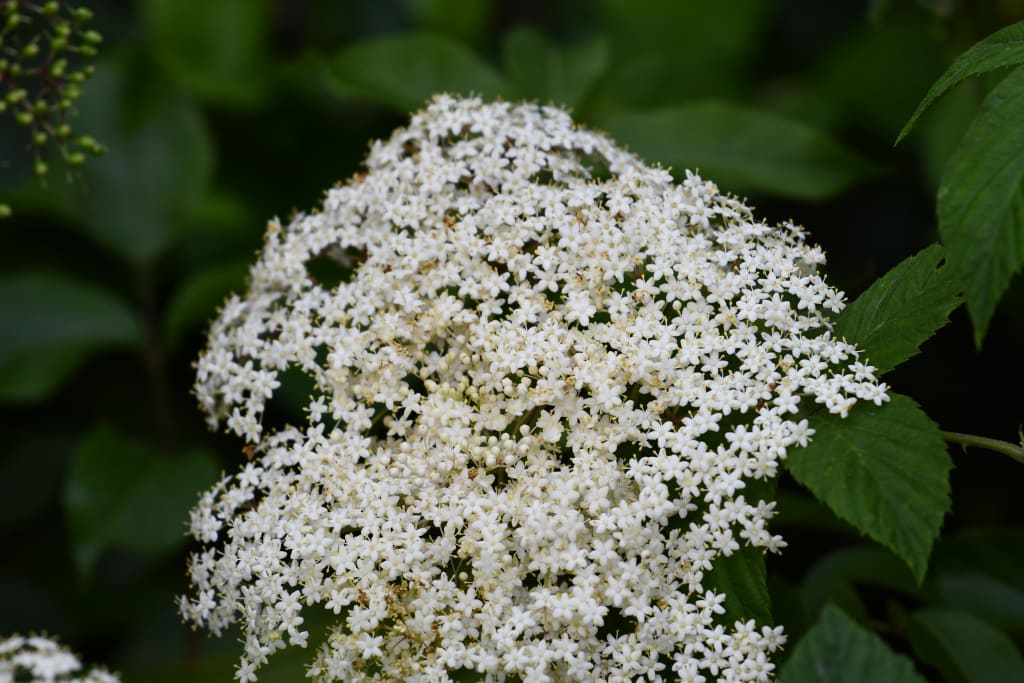
Nature has bestowed upon us a treasure trove of medicinal and culinary delights, and among them, the elderflower stands out with its delicate yet potent properties. The beautiful white blossoms of the elder tree, also known as Sambucus, have been revered for centuries for their numerous health benefits and versatile culinary applications. In this blog post, we delve into the fascinating world of elderflower, exploring its rich history, unveiling its medicinal potential, and discovering the delightful ways it can be incorporated into our everyday lives.
Ancient Roots and Cultural Significance
Elderflower has a long history deeply intertwined with folklore, mythology, and cultural significance. Revered in various ancient civilizations, including those of the Greeks, Romans, and Celts, the elder tree was believed to be a sacred plant with protective and healing properties. Its fragrant blossoms were used in religious ceremonies, believed to ward off evil spirits and bring blessings. Today, elderflower continues to be cherished for its symbolic importance in certain traditions, such as the European celebration of the Elderflower Festival.
Medicinal Marvels of Elderflower
Elderflower possesses a wide array of medicinal properties that have been recognized for centuries. Rich in bioactive compounds such as flavonoids and phenolic acids, elderflower exhibits anti-inflammatory, antioxidant, and immune-boosting effects. These properties make elderflower a valuable herbal remedy for various ailments.
Elderflower has been traditionally used to alleviate symptoms of the common cold, flu, and sinusitis. Its natural decongestant and antiviral properties help relieve nasal congestion, reduce inflammation in the respiratory tract, and support the body's defense against respiratory infections.
Furthermore, elderflower is known for its diaphoretic properties, meaning it promotes sweating. This makes it beneficial for managing fevers and aiding in the body's detoxification process. Elderflower tea or infusions are often recommended during febrile illnesses to support the body's natural healing mechanisms.
Additionally, elderflower has been used to soothe sore throats, reduce coughing, and ease symptoms of allergies. Its anti-inflammatory and antihistamine properties help alleviate irritation and promote respiratory comfort.
Elderflower also offers potential benefits for digestive health. It has been used to relieve indigestion, bloating, and constipation. Elderflower tea can stimulate digestion and act as a gentle laxative. Moreover, elderflower's anti-inflammatory properties can help calm gastrointestinal inflammation.
Skin Soothing and Beauty Enhancing Properties
In addition to its internal benefits, elderflower is known for its positive effects on the skin. Elderflower possesses anti-inflammatory and antioxidant properties that can help soothe and rejuvenate the skin.
Elderflower has been used to alleviate various skin conditions, including acne, eczema, and sunburns. Its anti-inflammatory properties help reduce redness and irritation, while its antioxidant content helps protect the skin from damage caused by free radicals.
Elderflower-based skincare products, such as creams, lotions, and serums, are popular for their ability to hydrate the skin, improve skin tone and texture, and promote a youthful appearance. The soothing and anti-inflammatory properties of elderflower can help calm sensitive or irritated skin, leaving it refreshed and revitalized.
Culinary Applications of Elderflower
Beyond its medicinal benefits, elderflower adds a delightful touch to culinary creations. The delicate floral aroma and flavor of elderflower make it a popular ingredient in various recipes and beverages.
Elderflower cordials, syrups, and teas are refreshing and versatile. They can be enjoyed on their own, mixed with sparkling water for a light and floral beverage, or used as a flavoring agent in cocktails and mocktails. The distinct floral notes of elderflower beautifully complement citrus fruits, berries, and herbs, adding a unique and sophisticated twist to drinks.
Elderflower can also be used in baking and desserts. The blossoms can be infused into creams, custards, and cakes, imparting a subtle floral essence. Elderflower fritters, made by dipping the flower heads in a light batter and frying them until golden, are a popular treat in some culinary traditions.
Furthermore, elderflower can be transformed into jams, jellies, and sorbets, showcasing its versatility in the culinary world. The possibilities are endless, allowing chefs and home cooks to experiment and create delightful dishes that capture the essence of elderflower.
Conclusion
The delicate power of elderflower is truly remarkable. Its rich history, medicinal potential, skin-soothing properties, and culinary versatility make it a cherished botanical treasure. Whether enjoyed for its therapeutic benefits, incorporated into skincare routines, or used to enhance culinary creations, elderflower continues to captivate and inspire. So next time you encounter the fragrant blossoms of the elder tree, take a moment to appreciate the delicate power that lies within.
About the Creator
How I Discovered Evan Roderick and Why His Work Stood Out
Sometimes, discovering a new actor feels like stumbling upon a hidden gem. That’s exactly how I felt when I first came across Evan Roderick. I wasn’t looking for anyone new to follow, and I had no idea who he was at the time. But as soon as I saw him perform, something clicked. His presence was different. His style was subtle but powerful. And as I explored more of his work, it became clear that Evan Roderick wasn’t just another rising actor—he was someone who brought something unique to the screen.
By Evan Roderick6 days ago in Education
Time Management Hacks Every Entrepreneur Should Know
Running a startup demands more than hustle—it requires precision in how you use your time. As a founder, your daily choices directly impact your company’s growth, culture, and long-term sustainability. Without the right strategies, it's easy to get overwhelmed by tasks and lose sight of what truly matters. Mastering a few smart productivity habits can dramatically improve how you work.
By Per Jacob Solli5 days ago in Education


Comments
There are no comments for this story
Be the first to respond and start the conversation.