
The Dangers of Dirty Air
Help Turn Poison Air Into Clean Air

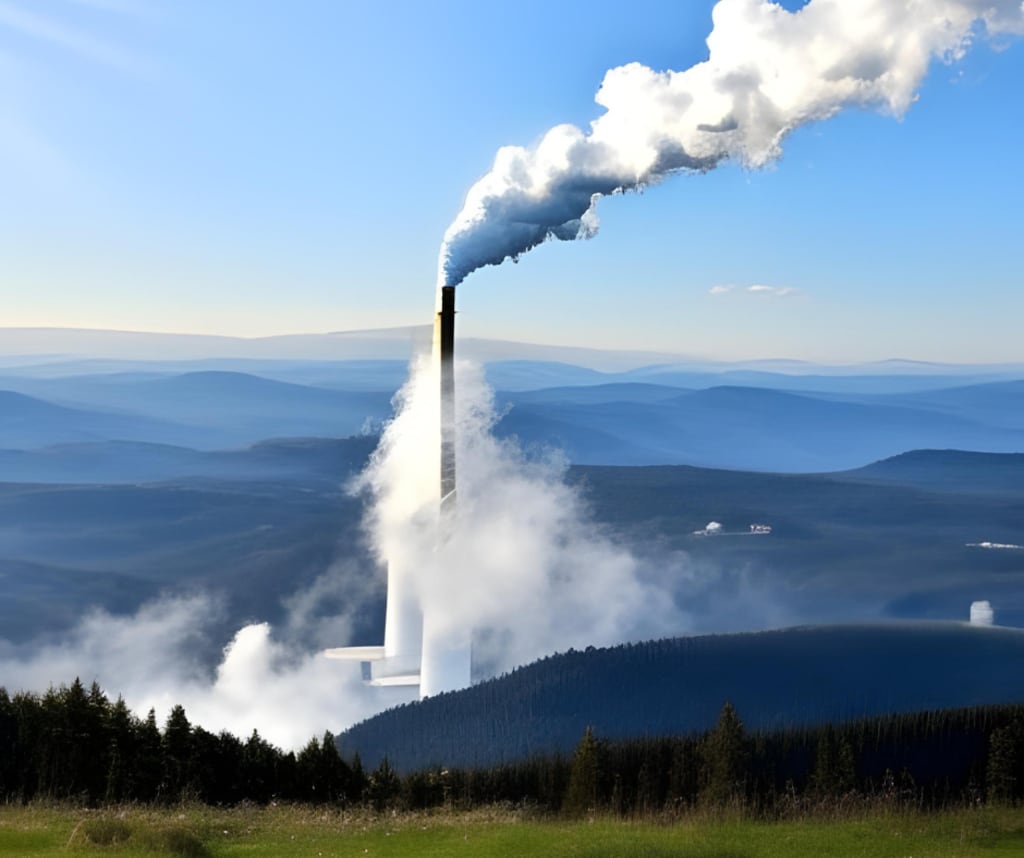
Air quality is an essential aspect of human health and well-being. Breathing clean air is crucial for maintaining good health, while exposure to dirty air can lead to a variety of short-term and long-term health effects. This essay will explore the dangers of breathing in dirty air, with a focus on the sources of air pollution, the health impacts of poor air quality, and the economic and social consequences that result. Furthermore, we will discuss how individuals, communities, and companies like Austin Refrigeration & Air Conditioning in Austin, Texas, can play a vital role in turning dirty air into clean air through proactive measures and innovative solutions.
Sources of air pollution
A. Outdoor air pollution
Industrial emissions: Industrial processes are a significant source of air pollution, as they release various pollutants, such as sulfur dioxide, nitrogen oxides, and particulate matter. Power plants, factories, and refineries are examples of industries that contribute to poor air quality through their emissions.
Vehicle emissions: Transportation is another major contributor to air pollution, particularly in urban areas. Cars, trucks, buses, and other vehicles emit pollutants like carbon monoxide, nitrogen oxides, and volatile organic compounds, which can negatively impact air quality and human health.
Agricultural practices: Agriculture can also lead to air pollution through the use of pesticides, fertilizers, and the release of ammonia from livestock waste. Additionally, the practice of burning crop residues contributes to air pollution by emitting particulate matter and other harmful pollutants.
Natural sources: While human activities are the primary drivers of air pollution, natural processes can also contribute. Examples include volcanic eruptions, which release sulfur dioxide and ash, and wildfires, which produce smoke and particulate matter.
B. Indoor air pollution
Tobacco smoke: Secondhand smoke from tobacco products is a significant source of indoor air pollution. It contains more than 7,000 chemicals, many of which are toxic and can cause serious health problems, particularly for children and other vulnerable populations.
Household products: Many everyday household products, such as cleaning agents, paints, and air fresheners, can release volatile organic compounds (VOCs) that contribute to indoor air pollution. Prolonged exposure to these chemicals can lead to various health issues.
Building materials: Some building materials, like asbestos or formaldehyde-containing products, can emit harmful substances that degrade indoor air quality. These materials pose health risks when they are disturbed or break down over time.
Biological contaminants: Indoor air quality can also be affected by biological contaminants, such as mold, dust mites, and pet dander. These contaminants can cause allergic reactions and respiratory issues in sensitive individuals.
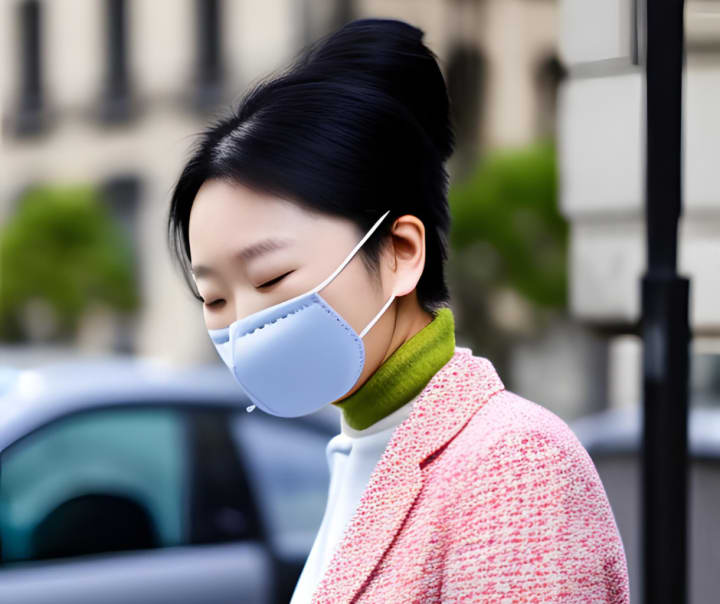
Health effects of air pollution
A. Respiratory diseases
Asthma: Exposure to air pollution can trigger asthma attacks, worsen symptoms, and increase the risk of developing the condition in the first place. Pollutants like particulate matter, nitrogen dioxide, and ground-level ozone can cause inflammation and irritation in the airways, making it more difficult to breathe.
Chronic obstructive pulmonary disease (COPD): Long-term exposure to polluted air can lead to the development of COPD, a group of progressive lung diseases that includes emphysema and chronic bronchitis. Common air pollutants like particulate matter, sulfur dioxide, and nitrogen dioxide can cause lung damage and inflammation, leading to a decline in lung function over time.
Lung cancer: Breathing in polluted air has been linked to an increased risk of lung cancer. Airborne carcinogens, such as fine particulate matter and polycyclic aromatic hydrocarbons, can accumulate in lung tissue and cause DNA damage, potentially leading to cancerous cell growth.
B. Cardiovascular diseases
Air pollution is also a risk factor for cardiovascular diseases, including heart attacks, stroke, and heart disease. Pollutants like fine particulate matter and ground-level ozone can cause inflammation and oxidative stress, leading to damage in the blood vessels and an increased risk of clot formation. These effects can contribute to the development of atherosclerosis, hypertension, and other cardiovascular conditions.
C. Neurological effects
Emerging research suggests that air pollution may have an impact on cognitive function and mental health. Exposure to pollutants like particulate matter and nitrogen dioxide has been linked to cognitive decline, dementia, and an increased risk of developing neurodegenerative diseases like Alzheimer's. Additionally, air pollution has been associated with mental health issues such as depression and anxiety.

D. Impact on vulnerable populations
Children: Children are particularly vulnerable to the effects of air pollution due to their developing respiratory and immune systems. Exposure to polluted air can impair lung growth, increase the risk of respiratory infections, and exacerbate asthma symptoms.
Elderly: Older adults are also at higher risk for the adverse health effects of air pollution. Age-related declines in lung function and immune system efficiency can make this population more susceptible to respiratory issues and infections caused by polluted air.
People with pre-existing conditions: Individuals with pre-existing health conditions, such as respiratory or cardiovascular diseases, are more likely to experience worsened symptoms and complications when exposed to air pollution.
Economic and social impacts of air pollution
A. Healthcare costs
The health effects of air pollution can lead to significant financial burdens on individuals, families, and healthcare systems. Treatment for respiratory and cardiovascular diseases, cancer, and other conditions related to air pollution often requires costly medical interventions, medications, and ongoing care. These expenses can strain personal finances and public healthcare budgets, particularly in areas with high levels of air pollution.
B. Lost productivity
Air pollution can negatively impact productivity levels and economic output. Employees who suffer from health conditions related to poor air quality may experience increased absenteeism, decreased productivity while at work, and a higher likelihood of disability or early retirement. This loss of human capital can have ripple effects throughout the economy, reducing overall productivity and growth.
C. Reduced quality of life
The health effects of air pollution can also diminish the overall quality of life for individuals and communities. Chronic health conditions, frequent medical visits, and limitations in daily activities can lead to emotional stress and a decreased sense of well-being. Furthermore, the aesthetic and recreational value of outdoor spaces can be diminished in areas with poor air quality, reducing opportunities for social interaction and enjoyment of the natural environment.
Strategies for improving air quality
A. Government regulations and policies
Governments play a crucial role in addressing air pollution by implementing regulations and policies that limit emissions from various sources. Examples of such policies include setting air quality standards, enforcing emission limits for industrial facilities and vehicles, and promoting cleaner energy sources like solar and wind power. In addition, governments can invest in public transportation systems to reduce traffic congestion and vehicle emissions.
B. Technological innovations
Technological advancements can also help to reduce air pollution and improve air quality. For instance, innovations in energy production, such as carbon capture and storage, can help to reduce greenhouse gas emissions from power plants. Similarly, the development of electric vehicles and improved fuel efficiency standards can help to decrease emissions from the transportation sector. In the context of indoor air pollution, advances in air purification and filtration systems can help to remove contaminants from indoor environments.
C. Role of companies like Austin Refrigeration & Air Conditioning
HVAC maintenance and repair: Companies like Austin Refrigeration & Air Conditioning can play a vital role in improving air quality by providing HVAC maintenance and repair services. Properly functioning HVAC systems can help to maintain optimal indoor air quality by filtering out pollutants and maintaining appropriate temperature and humidity levels.
Installation of air purification systems: Another way companies like Austin Refrigeration & Air Conditioning can contribute to cleaner air is by installing air purification systems in homes and commercial buildings. These systems can help to remove airborne pollutants, such as particulate matter, allergens, and volatile organic compounds, resulting in cleaner indoor air.
Educating the public about air quality: Companies can also take on an educational role by informing their customers about the importance of air quality and the steps they can take to improve it. This can help to raise awareness and encourage individuals and businesses to take action to reduce their contributions to air pollution.
Visit our website today at AustinRefrigeration.us. If you'd like to know more about how to purify your air, visit our clean air site at AustinCleanAir.com.
About the Creator
Austin Refrigeration and AC
At Austin Refrigeration & Air Conditioning, we....
Keep Austin Cool in the summer
Keep Austin Warm in the winter
And Keep Austin Air Clean all year round!
AustinRefrigeration.us & AustinCleanAir.com
Need a job? AustinHVACJobs.com
Keep reading
More stories from Austin Refrigeration and AC and writers in Education and other communities.
3 Ways To Beat The Texas Heat!
Hello there! It's hotter than a jalapeno at a Tex-Mex fiesta, isn't it? When that Texas sun starts blazing and the heatwave rolls in, it's time to bring out the big guns and show that heat who's boss. We Texans know a thing or two about beating the heat, and in this blog post, I'm going to share some tried and true tips to keep you cool as a cucumber in the scorching Texas heat. So grab a tall glass of sweet tea, find some shade under a big oak tree, and let's dive right in!
By Austin Refrigeration and AC3 years ago in Education
What Is the Fastest Way to Start a Global Career After A/Ls?
A-level examinations mark a turning point where education choices begin shaping long-term career outcomes. For students aiming to work internationally, the decisions made immediately after A/Ls can determine whether they enter the global job market within a few years or spend much longer following conventional routes. Today, faster and more flexible pathways exist for those who plan strategically from the start.
By ameliarosanna3 days ago in Education
Cover Assembly Screened in Aircraft Systems: Function, History, and Aerospace Applications
Introduction: My Research into Cover Assembly Screened Aircraft Components While studying aircraft hardware and aerospace structural parts, I recently explored a catalog listing dedicated to Cover Assembly Screened components used in aviation systems. During my research, I realized that even small parts like protective covers are essential for the reliability, safety, and longevity of aircraft electronics and mechanical assemblies.
By Beckett Dowhan4 days ago in Education



Comments
There are no comments for this story
Be the first to respond and start the conversation.