
The Danger of Cats Eating Chicken Bones: A Serious Health Risk
Especially cooked ones - can lead to severe health complications, including potential death

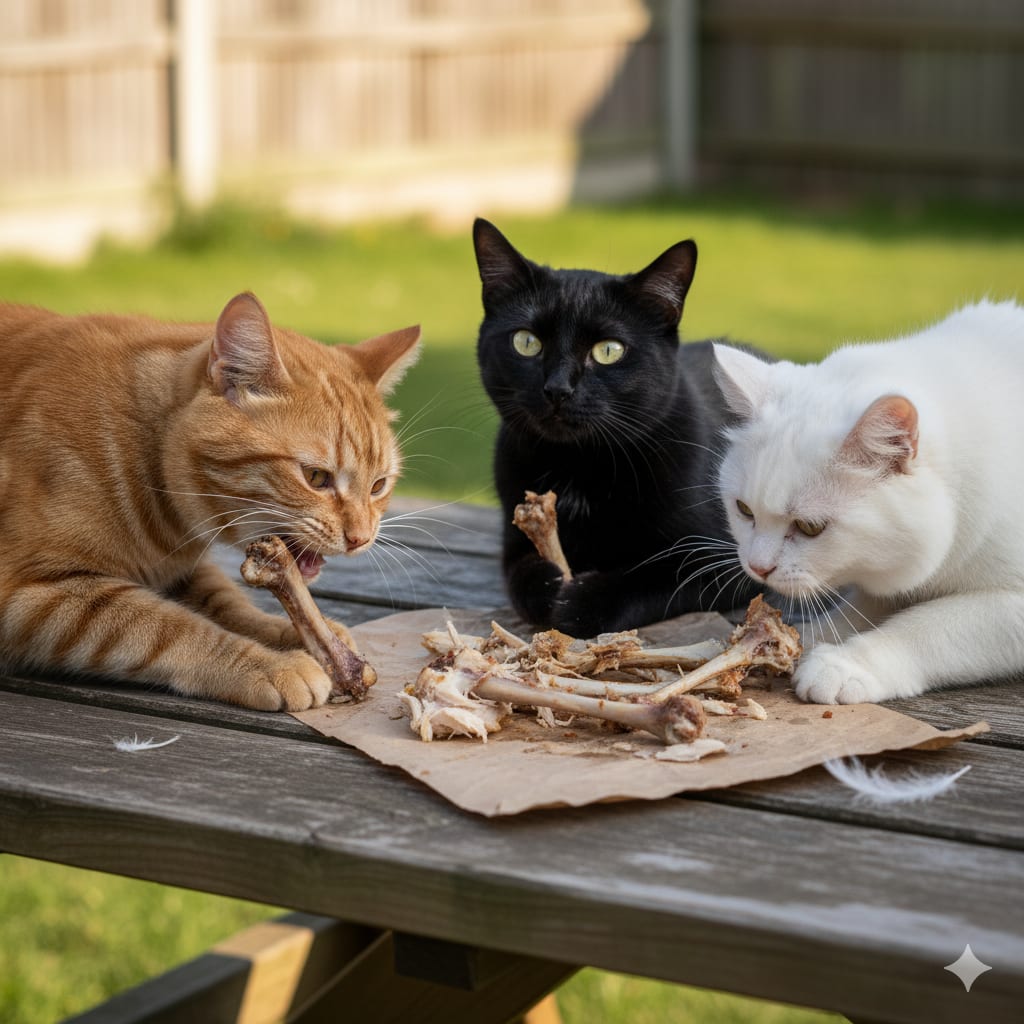
Cats are beloved pets, admired for their playful behavior, independence, and companionship. While many pet owners enjoy sharing food with their feline friends, certain human foods can pose serious risks to cats, with chicken bones being a particularly dangerous example. Despite their small size, chicken bones can be extremely hazardous to cats, potentially causing life-threatening injuries if ingested. Understanding the dangers of feeding cats chicken bones is crucial for responsible pet ownership and the health of these cherished animals.
One of the primary risks associated with cats eating chicken bones is the potential for choking. Cats have relatively small throats, and even small bones can become lodged, blocking the airway. A blocked airway can lead to severe breathing difficulties, panic, and in extreme cases, suffocation. Immediate intervention is often necessary to prevent irreversible harm or death, making the risk of even a single chicken bone alarming for pet owners.
In addition to choking, chicken bones can cause significant damage to a cat’s digestive system. Bones are hard and brittle, and when swallowed, they can splinter into sharp fragments. These fragments can puncture the esophagus, stomach, or intestines, leading to internal bleeding, severe pain, and infection. Unlike humans, cats cannot easily communicate discomfort, so owners may not immediately recognize that their pet is in danger. Symptoms such as vomiting, lethargy, loss of appetite, or bloody stools can indicate internal injury and require urgent veterinary attention.
Another critical danger is intestinal blockage. Even if a bone does not splinter, its size or shape can cause it to become lodged in the intestines, preventing the normal passage of food and waste. This blockage can lead to a dangerous buildup of toxins in the body, dehydration, and severe abdominal pain. Surgical intervention is often required to remove the obstruction, which can be costly and stressful for both the cat and the owner. Without timely treatment, intestinal blockage can be fatal.
Some cat owners mistakenly believe that raw chicken bones are safer than cooked ones, but this is a misconception. Raw bones may be softer, but they still carry the risk of splintering and causing injuries. Additionally, raw chicken can harbor harmful bacteria, such as Salmonella or E. coli, which can lead to serious illness in both cats and humans. Cooking does not eliminate the physical hazard of the bones; in fact, cooked bones are even more brittle and prone to splintering, increasing the risk of harm.
Beyond the immediate physical dangers, feeding cats chicken bones can create long-term health issues. Injuries to the digestive tract can cause chronic pain or scarring, and repeated exposure to such risks can increase a cat’s vulnerability to infections or other complications. Pet owners must understand that even a single incident can have lasting consequences for their cat’s health and quality of life.
Responsible pet care involves understanding what is safe to feed a cat and avoiding foods that pose unnecessary risks. Instead of offering chicken bones, owners can provide appropriate alternatives, such as boneless cooked chicken, specially formulated cat treats, or commercial cat food designed to meet all nutritional needs. Providing safe and balanced nutrition ensures that cats remain healthy, happy, and free from avoidable hazards.
In conclusion, feeding cats chicken bones is a dangerous practice that can lead to choking, internal injuries, intestinal blockages, and potentially death. The risks far outweigh any perceived benefits, and pet owners must prioritize the safety and well-being of their feline companions. By avoiding chicken bones and providing appropriate alternatives, owners can protect their cats from severe health complications and ensure they enjoy a long, healthy life.
To Think:
It’s alarming that many commercial cat food companies still include chicken bones, even in processed or canned products, despite the known dangers. While bones may be ground or cooked, they can still pose risks of splintering, internal injuries, or digestive blockages. Pet owners often trust brands to provide safe nutrition, yet this hidden hazard raises questions about industry standards and oversight. Are convenience and cost outweighing feline safety? It’s time for consumers to think critically about what’s in their cat’s food and demand stricter regulations and safer alternatives that prioritize the well-being of cats over profit.
About the Creator
Keep reading
More stories from Shiran Pallewatta and writers in Education and other communities.
OpenAI reverses course on Sora: new owner controls and a path to monetization
OpenAI announced this week that it will give rights holders of content much more control over what becomes of their characters and copyrighted material within **Sora**, its new text-to-video app — and will pilot methods for sending revenue to rights holders who decide to get involved. The announcement follows a botched launch where users quickly flooded Sora with short AI-generated clips of mainstream characters and, in some cases, generated violent, hateful, or otherwise objectionable material that filtered through the app's moderation. Sora, its second iteration, enables users to produce around 10-second videos — typically stylized or character-based — and post them to a social feed.
By Shiran Pallewatta4 months ago in Education
Why UMPCO Fasteners Still Solve Critical Aerospace Problems Today
When I started researching legacy aerospace fastener manufacturers, I wasn’t just looking for brand names—I was looking for solutions to real aviation problems. Structural failure, vibration fatigue, corrosion at altitude, and long-term reliability are challenges that every aerospace engineer eventually faces. One name that repeatedly surfaced in technical documentation and historical aerospace supply chains was UMPCO fasteners.
By Beckett Dowhan6 days ago in Education
Best Laptop for Digital Art
In the vibrant world of digital art, the right laptop can be your greatest creative ally. Whether you're sketching breathtaking illustrations, designing compelling graphics, or animating entire worlds, you need more than just a machine you need a digital canvas that brings your ideas to life.
By Home Care Ranksabout 2 hours ago in Education



Comments
There are no comments for this story
Be the first to respond and start the conversation.