
The Cellular Transport Trilogy:
Unveiling the Balletic Dynamics of Substance Flow in Life Forms
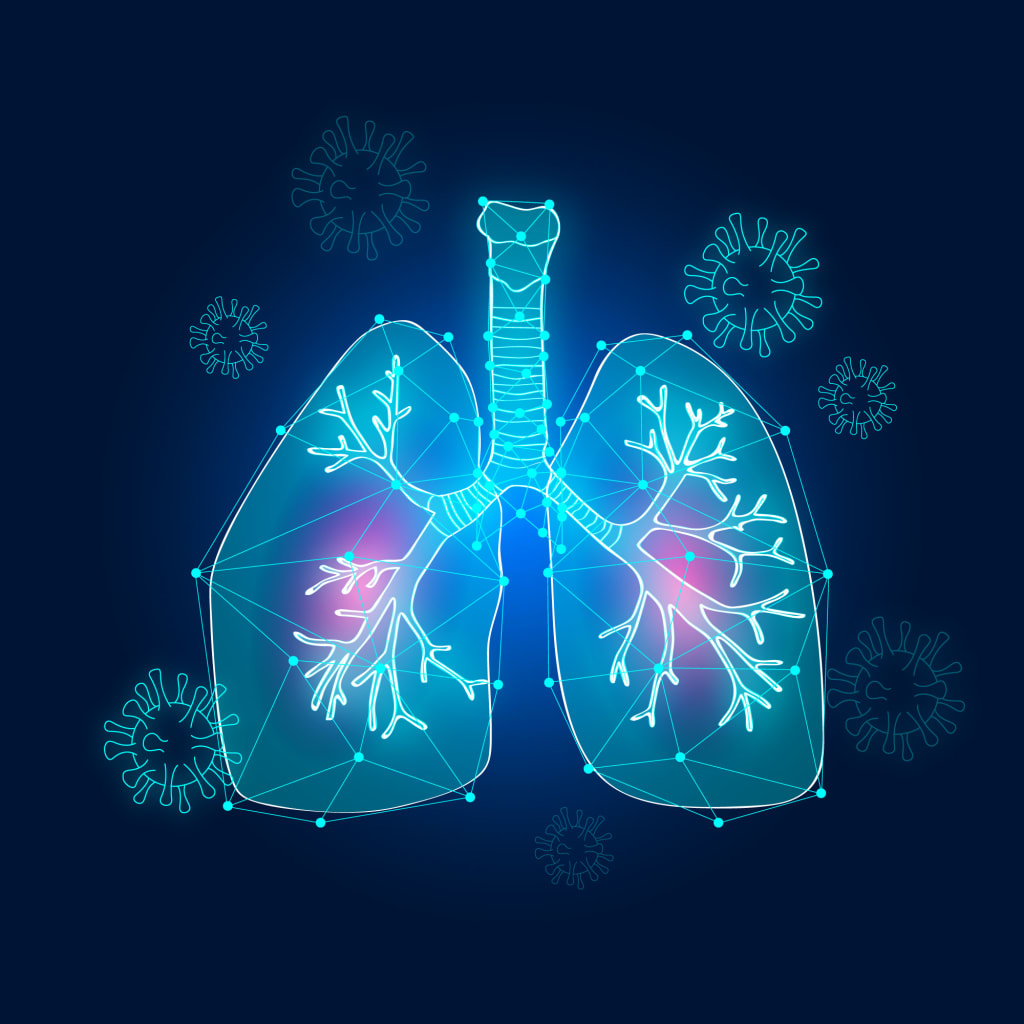
One of the fundamental processes that govern the existence of all life forms is a series of cycles, and among them, breathing stands out as indispensable for their survival. Within the intricate cellular landscape of these organisms, complex reactions unfold to sustain life. The key to these life-sustaining reactions lies in the movement of substances into and out of the cells.
In the microscopic realm of cellular activity, three primary mechanisms facilitate the transportation of substances across cell membranes: diffusion, osmosis, and active transport. Diffusion, a ubiquitous process, involves the spread and movement of particles from regions of higher concentration to regions of lower concentration. This directional movement occurs naturally, following the path of a concentration gradient. Osmosis, a specialized form of transport, orchestrates the movement of water molecules across selectively permeable membranes. In this ballet of cellular dynamics, water flows from areas of lower solute concentration to areas of higher solute concentration. Contrasting these passive processes, active transport emerges as an energetic endeavor, demanding cellular resources to ferry substances against their concentration gradient, from areas of lower concentration to areas of higher concentration.
Delving into the intricacies of diffusion provides a profound understanding of its significance in various biological processes, with gas exchange in vertebrates standing as a prominent example. As we draw breath, the alveoli within our lungs hold a reservoir of oxygen at a concentration higher than that in the deoxygenated blood traversing the vessels. Oxygen molecules, adhering to the principles of diffusion, traverse the alveolar membrane and capillaries to join forces with red blood cells. Simultaneously, the plasma of deoxygenated blood, enriched with carbon dioxide, encounters alveoli with a lower concentration of this vital gas. In response, carbon dioxide molecules embark on a diffusion journey, traversing from the blood plasma into the alveoli, poised for exhalation.
In essence, the trio of diffusion, osmosis, and active transport orchestrates a symphony of substance movement across cell membranes. Diffusion acts as the silent conductor, guiding particles harmoniously from areas of abundance to areas of scarcity, fueled by the concentration gradient. Osmosis, a fluid virtuoso, directs water molecules with precision across cellular boundaries. In contrast, active transport emerges as the energetic soloist, defying the natural flow by demanding cellular energy to propel substances against their concentration gradient. The mastery of these processes is not merely an academic pursuit; it is a key to unraveling the mystery of how life forms meticulously uphold their internal equilibrium, facilitating the execution of vital functions.
In this narrative of cellular transport, diffusion, osmosis, and active transport stand as protagonists, each playing a distinct role in the grand performance of life. As we peer into the microscopic intricacies of cellular dynamics, we uncover the balletic movements that sustain life, ensuring the ebb and flow of essential substances within the delicate confines of cellular membranes. This orchestrated dance of processes unfolds seamlessly, weaving the cellular transport trilogy that propels life forward.
In the intricate dance of cellular transport, the trilogy of diffusion, osmosis, and active transport becomes a narrative thread woven into the very fabric of life. These processes dictate the subtle movements within cells but also unveil the profound choreography sustaining living entities.
Consider the cell membrane as a stage where these biochemical performances unfold, with each transport mechanism playing a unique role. Diffusion, akin to a gentle breeze, ushers particles gracefully from regions of plenty to regions of scarcity. Osmosis, reminiscent of a fluid ballet, navigates the flow of water with finesse, ensuring equilibrium across cellular boundaries. Meanwhile, active transport emerges as a dynamic force, infusing the cellular stage with energy to transport substances against the natural current.
As we delve deeper into this cellular symphony, we witness the harmonious interplay of diffusion, osmosis, and active transport, orchestrating the perpetual movement essential for life's rhythm. Mastering these processes is not just a scientific inquiry but a poetic exploration of how cells maintain a delicate balance, ensuring the sustained performance of vital functions.
In the grand saga of cellular transport, diffusion, osmosis, and active transport are protagonists, rendering substance to the silent language of life. As we navigate the microscopic realms, we find ourselves immersed in the eloquent tale of cellular dynamics—a story told through the nuanced movements of particles, water, and energy. This narrative encapsulates the essence of life, where cellular transport transcends mere mechanics, evolving into a profound saga of existence.
About the Creator
Keep reading
More stories from Andrea Bell and writers in Education and other communities.
Unplanned Triumphs:
Popularity is a peculiar thing – anything and anyone can become famous for almost any reason. It's highly unpredictable and challenging to orchestrate or control what makes a new kind of cereal popular or a particular song a hit. If anyone knew the exact recipe, nothing would ever be unpopular. Nevertheless, sometimes things are not even trying to become popular, but well, it happens anyway.
By Andrea Bell2 years ago in Education
The Duelist
The rays of a dying red sun flashed against the onrushing blade. The grey beards say the key to dueling lies in size, speed, reach, righteous fury, whatever the person in front of them pays them to say. Matteo knew better than any it was none of these and had an undefeated record on these sands to prove it.
By Matthew J. Fromm4 days ago in Fiction




Comments
There are no comments for this story
Be the first to respond and start the conversation.