
The Causes and Effects of Economic Crises
Economic Crises

Introduction:
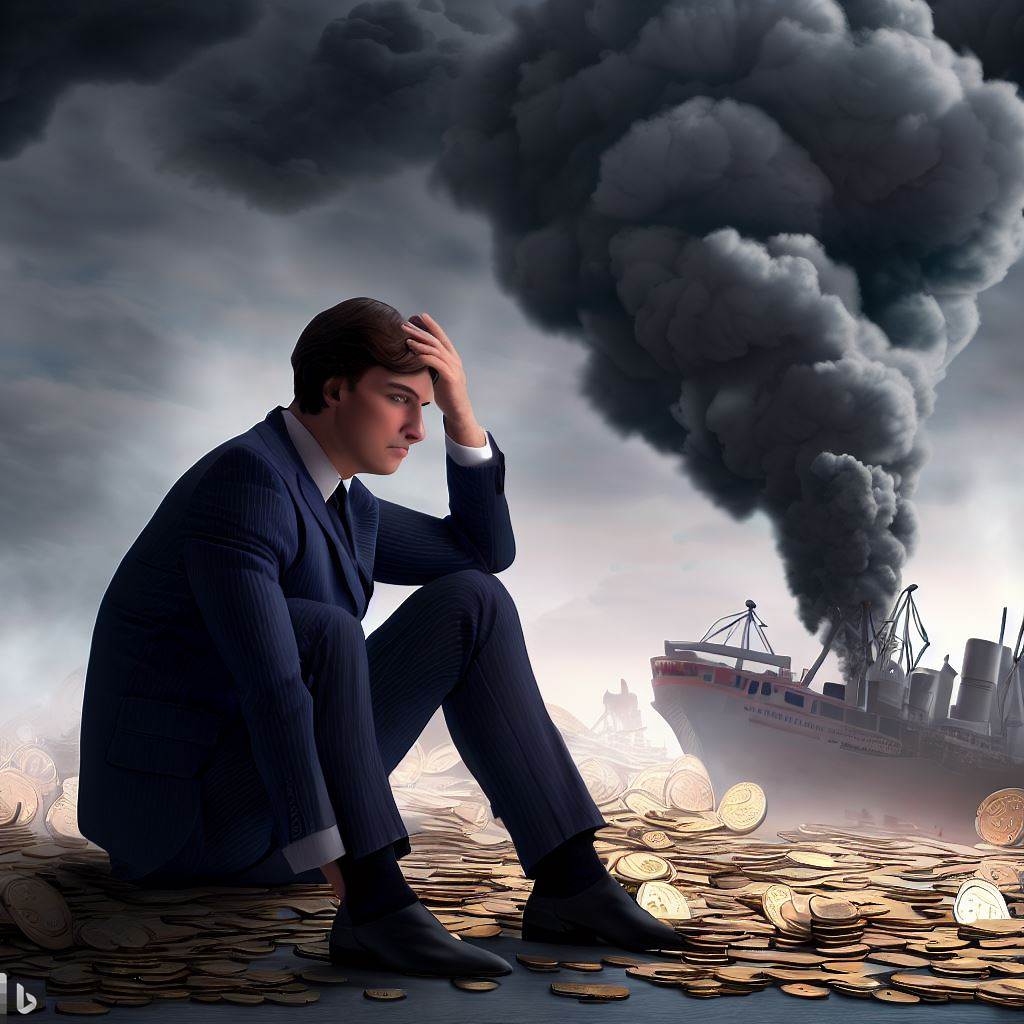
Economic crises are turbulent periods that can have devastating effects on individuals, businesses, and nations. These crises arise from various factors and can lead to severe economic and social consequences. It is essential to understand the causes and effects of economic crises to develop effective remedies and preventive measures. This article aims to explore the causes and effects of economic crises and provide insights into potential solutions.
Causes of Economic Crises:
Financial Instability:
One of the primary causes of economic crises is financial instability. This can be triggered by excessive risk-taking, speculative bubbles, and unsustainable levels of debt. To address this issue, financial regulations should be strengthened to prevent excessive leverage and risky financial practices. Regular monitoring and assessment of financial institutions and markets can help identify potential vulnerabilities and take corrective actions.
Macroeconomic Imbalances:
Persistent macroeconomic imbalances, such as trade deficits, budget deficits, and high levels of public and private debt, can contribute to economic crises. Governments should focus on maintaining sound fiscal policies, reducing debt burdens, and promoting balanced trade. Implementing sustainable economic policies that prioritize fiscal responsibility and encourage savings can help prevent the build-up of imbalances.
Asset Price Fluctuations:
Sharp fluctuations in asset prices can trigger economic crises. To mitigate this risk, regulators should monitor asset markets, particularly those that show signs of speculative activity. Measures such as tightening lending standards and imposing limits on leverage can help prevent excessive asset price increases. Additionally, promoting financial literacy among individuals and businesses can foster responsible investment decisions.
Global Economic Factors:
Global economic factors, such as recessions and financial contagion, can contribute to the onset of economic crises. Diversification of trade relationships and reducing overdependence on specific markets can help countries mitigate the impact of global economic shocks. Enhancing regional and international cooperation, such as through coordinated fiscal and monetary policies, can also strengthen resilience to external economic pressures.
Effects of Economic Crises:
Unemployment and Poverty:
Economic crises often result in increased unemployment rates and a rise in poverty levels. Governments should prioritize employment generation through targeted policies such as infrastructure development, skills training programs, and support for small and medium-sized enterprises. Social safety nets and welfare programs should also be strengthened to provide assistance to vulnerable populations during times of economic distress.
Decline in Consumer and Business Confidence:
Economic crises erode consumer and business confidence, leading to reduced spending and investment. Governments should focus on restoring confidence by implementing supportive fiscal and monetary policies. This can include measures such as tax incentives for businesses, interest rate cuts, and targeted stimulus packages to boost consumption and investment.
Financial Instability:
Addressing financial instability requires robust financial regulations and supervision. Enhancing the resilience of financial institutions through stricter capital and liquidity requirements can help mitigate the risk of systemic failures. Additionally, establishing effective crisis management frameworks and mechanisms for early intervention and resolution of financial institutions in distress is crucial.
Decline in Economic Growth and Productivity:
To address the decline in economic growth and productivity, governments should prioritize structural reforms aimed at improving competitiveness, fostering innovation, and enhancing productivity. Investing in education and skills development can help build a resilient and adaptable workforce. Promoting research and development, supporting entrepreneurship, and facilitating access to financing for small businesses can drive innovation and economic growth.
Political and Social Consequences:
Governments should prioritize policies that promote social cohesion and reduce income inequality. This includes measures such as progressive taxation, investment in quality education and healthcare, and the provision of adequate social safety nets. Ensuring transparency, accountability, and good governance can also help prevent political instability and social unrest during times of economic crises.
Remedies and Preventive Measures:
Early Warning Systems:
Governments should develop robust early warning systems to identify emerging economic risks and vulnerabilities. These systems should encompass monitoring indicators such as debt levels, asset price bubbles, and imbalances in the financial system. Timely identification of potential crises can enable policymakers to take pre-emptive actions and implement appropriate measures.
International Cooperation:
Global coordination and cooperation are crucial in addressing economic crises. International organizations such as the International Monetary Fund (IMF) play a vital role in providing financial assistance, technical expertise, and policy advice during times of crises. Governments should actively participate in international forums and cooperate to develop coordinated policies that promote stability and sustainable economic growth.
Financial Sector Reforms:
Strengthening financial regulations and supervision is essential to prevent excessive risk-taking and ensure the stability of the financial system. This includes implementing mechanisms for early intervention, enhancing capital and liquidity requirements, and promoting transparency and accountability in financial institutions.
Diversification and Resilience:
Countries should diversify their economies and trade relationships to reduce dependence on specific sectors or markets. This can help mitigate the impact of external shocks and increase resilience. Governments should prioritize economic diversification through investment in sectors with growth potential and promotion of innovation and entrepreneurship.
Social Safety Nets:
Robust social safety nets are crucial to protect vulnerable populations during economic crises. Governments should strengthen social protection programs, including unemployment benefits, healthcare coverage, and income support for those affected by job losses and economic downturns. This can help reduce the impact of crises on individuals and households.
Conclusion:
Economic crises have far-reaching effects on individuals, businesses, and nations. Understanding their causes and effects is crucial in developing effective remedies and preventive measures. Governments, in collaboration with international organizations and stakeholders, should prioritize financial stability, employment generation, social protection, and sustainable economic policies to mitigate the impact of crises and foster long-term economic resilience and prosperity.
About the Creator
SHENLANBAI
Originally from Western China,live in Saskatoon as a freelance writer. vibrant energy of this city fuels creativity, lending a unique flair to work. a fusion of Eastern roots and Western experiences, captures the magic find in everyday life
Keep reading
More stories from SHENLANBAI and writers in Education and other communities.
Artificial Intelligence in Education: Opportunities and Challenges
Introduction: Artificial Intelligence (AI) is an emerging technological field that focuses on developing systems capable of simulating, extending, and expanding human intelligence. The history of AI dates back to 1956 when John McCarthy first proposed the concept, defining it as "the science and engineering of making intelligent machines." Since then, AI has made significant progress and breakthroughs in various domains, including speech recognition, image processing, natural language processing, expert systems, robotics, and autonomous driving.
By SHENLANBAI3 years ago in Education
What Causes the Rotten Egg Smell in Your Water?
This gas forms when sulfate-reducing bacteria interact with the magnesium or aluminum anode rod inside your water heater. The anode rod is a critical component designed to prevent tank corrosion by attracting corrosive elements in the water.
By Andrei Kaspera day ago in Education
Review of 'Man on the Run'
My wife and I saw Man on the Run, a nearly 2-hour documentary on Amazon Prime, about Wings, Paul McCartney's group that flew around the world from shortly after The Beatles broke up in early 1970 to shortly after John Lennon was murdered at the end of 1980, making a Beatles reunion forever impossible.
By Paul Levinson6 days ago in Beat



Comments