
The Blessed Twelve Months of Islam: A Journey of Faith and Renewal
Discover how each Islamic month brings its own blessings — and how Ramadan and Shawwal teach us the true meaning of devotion, mercy, and gratitude

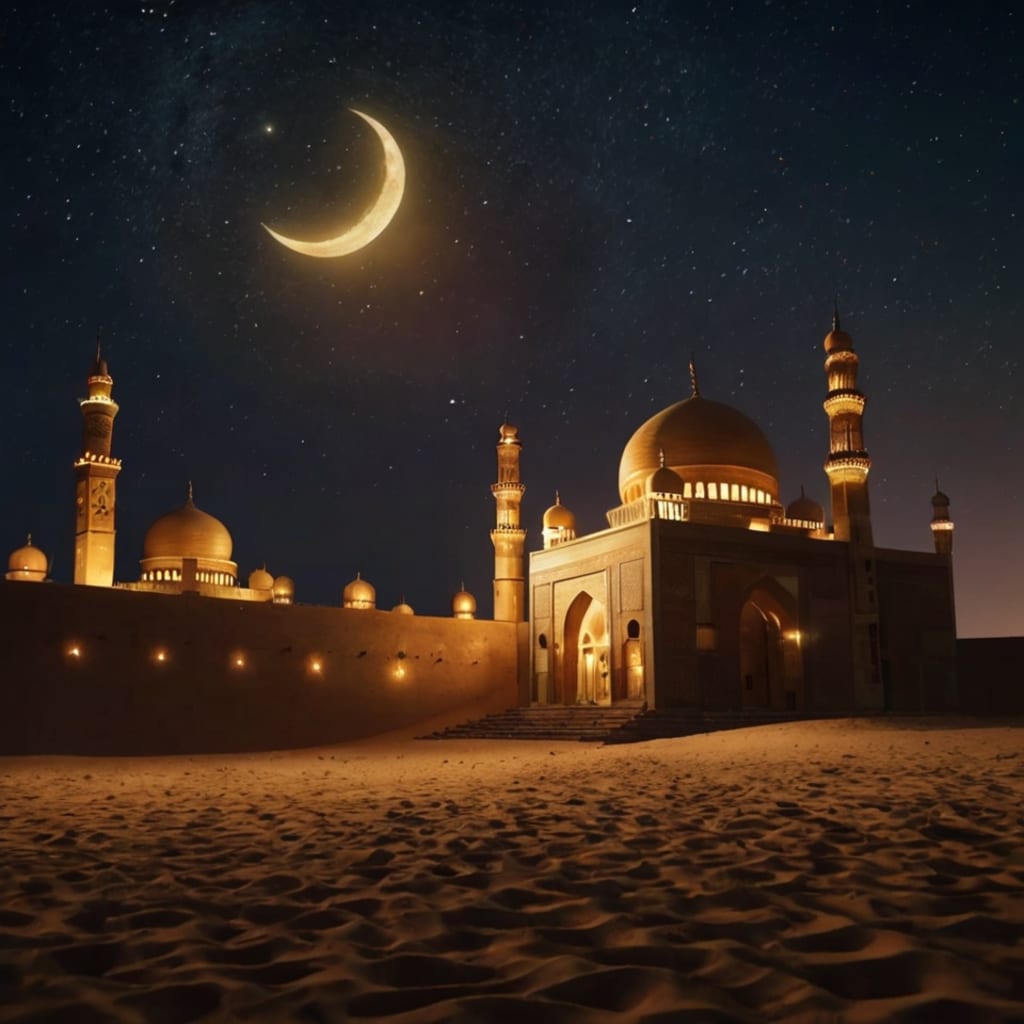
The Blessed Twelve Months of Islam
By Muhammad Aleem Nizami
Dear children, just as Muslims firmly believe in the twelve months of the Islamic calendar, there are also twelve months in the English or Gregorian calendar. Yet, the Islamic months hold a unique spiritual value — each one filled with blessings, lessons, and divine rewards.
Let us take a look at these sacred months:
The first month is Muharram, followed by Safar. The third is Rabi-ul-Awwal, and the fourth is Rabi-us-Sani. The fifth month is Jamadi-ul-Awwal, and the sixth is Jamadi-us-Sani. The seventh month is Rajab, the eighth is Sha’ban, the ninth is Ramadan, the tenth is Shawwal, the eleventh is Dhul-Qa’dah, and finally, the twelfth is Dhul-Hijjah.
Each of these months has a purpose. Each is blessed in its own way, carrying countless benefits and spiritual lessons for the believer.
Dear children, remember this well: there is no blessing in this world that Allah Almighty has created without purpose or benefit. Every creation, every moment, every month — all are filled with divine wisdom. Take for example the month of Shawwal.
As soon as the crescent moon of Shawwal appears, a wave of happiness spreads across the Muslim world. The air fills with joy and peace, for it marks the end of Ramadan, the month of fasting, and the arrival of Eid-ul-Fitr, a celebration of faith, unity, and gratitude. Shawwal is not just a time of joy; it is also a reminder to carry the spirit of Ramadan forward into the rest of the year.
These Islamic months, dear children, are full of love, mercy, and blessings. Each month comes carrying gifts from Allah — opportunities to purify the heart, strengthen faith, and increase goodness.
While all twelve months bring spiritual rewards, Ramadan and Shawwal hold a very special place. Ramadan cleanses the soul, washes away sins, and brings us closer to Allah through fasting, prayer, and charity. Shawwal, which follows Ramadan, helps preserve those blessings and encourages us to continue the habits of worship we built during Ramadan.
Together, these two months act like a beautiful cycle — one of purification and renewal. Ramadan purifies, and Shawwal renews.
Dear children, think of it this way: the entire year is like a garden. Ramadan is the rain that nourishes the soil of our hearts. Shawwal is the sunlight that helps our good deeds bloom. And the remaining ten months are the time to keep watering that garden — through prayer, kindness, and gratitude — so it stays lush and fruitful until the next Ramadan.
Although every month of the Islamic calendar is sacred and filled with blessings, Ramadan and Shawwal stand out as symbols of hope and renewal. They invite every believer to return to Allah with sincerity, to ask forgiveness, and to celebrate His mercy.
When the holy month of Ramadan begins, the hearts of Muslims all over the world become alive with devotion. From dawn to dusk, believers fast — not only from food and drink but from anger, selfishness, and greed. Their souls become lighter as their hearts fill with remembrance of Allah. Nights are spent in prayer, hands are raised in supplication, and tears of repentance fall quietly upon the prayer mat.
Then, as Ramadan departs and Shawwal arrives, Allah rewards His servants with Eid-ul-Fitr. It is a festival of love, unity, and gratitude — a day when the poor and rich, young and old, all stand equal before Allah. The hungry are fed, families reunite, and mosques echo with laughter and prayers of thanksgiving.
But dear children, never forget: the true meaning of these sacred months lies not only in celebration but in continuation. The devotion of Ramadan should not end when the crescent of Shawwal appears. The good habits, the patience, and the compassion we learn during Ramadan must stay with us throughout the year. That is the real test of faith.
The Prophet Muhammad (peace be upon him) taught us that the one who fasts during Ramadan and follows it with six fasts in Shawwal will be rewarded as if he had fasted for the entire year. This shows how beautifully these two months are connected — one completing the other, both filled with mercy and reward.
So, my dear children, as you learn about these twelve Islamic months, remember that each one is a door to Allah’s grace. Whether it is Muharram, the month of patience and sacrifice, or Dhul-Hijjah, the month of pilgrimage and devotion — every month invites you to grow closer to your Creator.
Be thankful for the blessings of every day. Worship sincerely, speak kindly, and live with gratitude. These twelve months are not just a measure of time; they are a journey of the soul — from sin to forgiveness, from darkness to light, from weakness to strength.
In the end, the greatest honor for a believer is not only to know the names of these months but to live by their spirit.
To remember Ramadan with love.
To welcome Shawwal with joy.
And to spend every month — every moment — as a humble, obedient servant of Allah.
That, dear children, is the true greatness of being a believer.
About the Creator
How Intentional Listening Transforms Leadership and Team Excellence
Leadership has long been associated with decisiveness, direction, and the ability to articulate vision. While these qualities remain essential, the most effective leaders today are distinguished by a different capability: their ability to listen with intention. As workplaces become more collaborative and knowledge-driven, leadership success increasingly depends on understanding people rather than simply directing them. Intentional listening allows leaders to grasp not only what is being said, but also what remains unspoken. This deeper understanding strengthens relationships, improves decision-making, and fosters trust. In high-performing teams, listening is not passive but strategic, shaping how leaders connect with individuals and guide collective effort.
By Thomas Kuriakose, MD6 days ago in Education
How to Make Money Online
A few years ago, earning money meant waking up early, traveling long distances, and working long hours for someone else’s dream. Today, the internet has changed everything. Content creation has opened a new digital path to freedom, allowing people to earn money online by sharing their ideas, skills, and creativity with the world.
By Bilal Mohammadia day ago in Education



Comments (1)
Nice