
"The Black Caiman: The Fearsome Predator of the Amazon Basin"
Uncovering the Secrets of the Largest Alligator Species in the World
Introduction
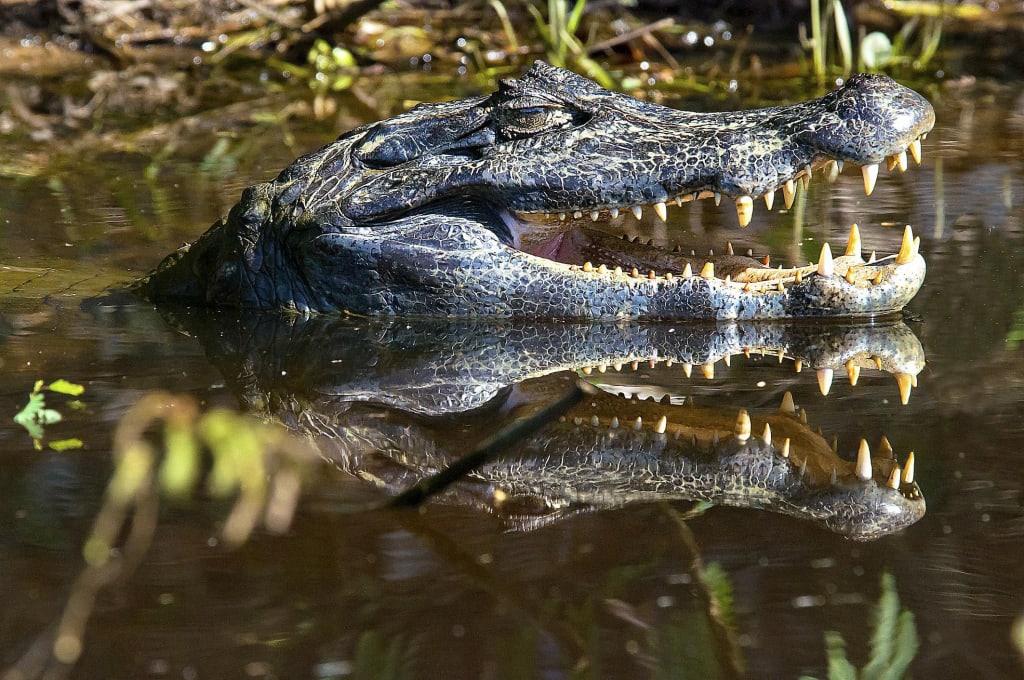
Black Caiman is a species of large reptiles belonging to the Alligatoridae family and is native to the Amazon Basin in South America. They are one of the largest predators in the region, with adult males reaching up to 6 meters in length and weighing up to 800 kg.
The black caiman is an important species in the Amazonian ecosystem as it helps to control the population of other animals, such as fish, birds, and mammals, by predating on them. They also play a role in maintaining the balance of the ecosystem by preventing the overpopulation of their prey. Additionally, black caimans are an important cultural and spiritual symbol for many indigenous communities in the Amazon. They are often depicted in traditional art and are an important part of local folklore and mythology.
However, the black caiman is also facing several threats, such as habitat loss due to human activities, poaching grounds being destroyed by commercial development and over-hunting for their valuable skin. This is why the black caiman is considered a vulnerable species and is protected by international and national laws.
Characteristics of Black Caiman
Physical Appearance:
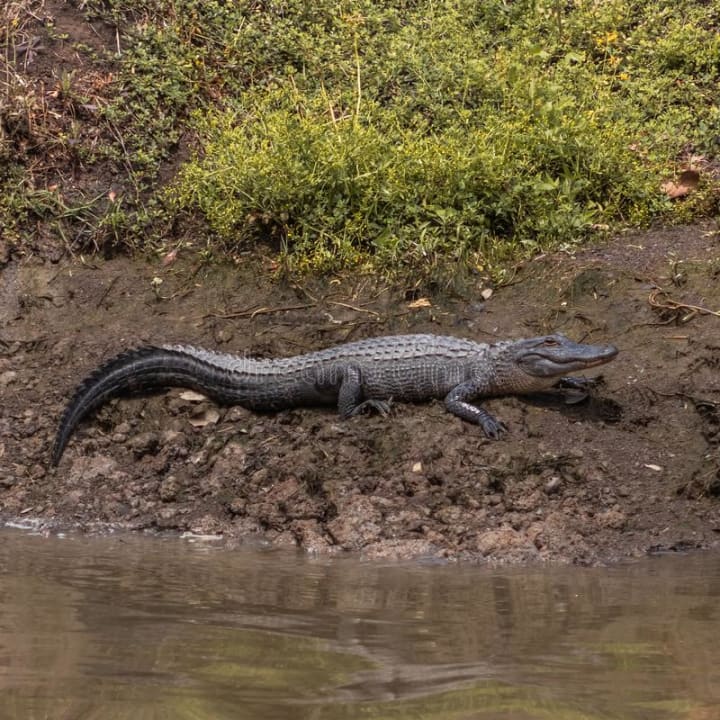
Black caimans are characterized by their large size, scaly skin, and powerful jaws. They have a distinct coloration, with a black or dark brown body and a yellowish underbelly. Their eyes are located on the top of their head, allowing them to see above the water's surface while keeping their body submerged. Black caimans also have powerful legs and sharp claws, making them excellent swimmers and hunters.
Size and Weight:
As mentioned earlier, adult black caimans can grow up to 6 meters in length and weigh up to 800 kg. Males are generally larger than females, and their size can vary depending on the availability of food and the quality of their habitat.
Adaptations for Hunting and Survival:
Black caimans are nocturnal hunters and feed on a variety of animals, including fish, birds, mammals, and reptiles. They have a powerful jaw and sharp teeth, allowing them to easily crush and kill their prey. They are also excellent swimmers and have a keen sense of smell, which they use to locate prey in the water.
In order to survive in their habitat, black caimans have several adaptations that allow them to regulate their body temperature and conserve energy. They are able to bask in the sun to warm up, and then submerge themselves in the water to cool off. They are also able to slow down their metabolism and enter a state of torpor during periods of food scarcity. These adaptations enable black caimans to survive in their challenging environment and continue to play an important role in the Amazonian ecosystem.
Habitat and Distribution
Range in the Amazon Basin:
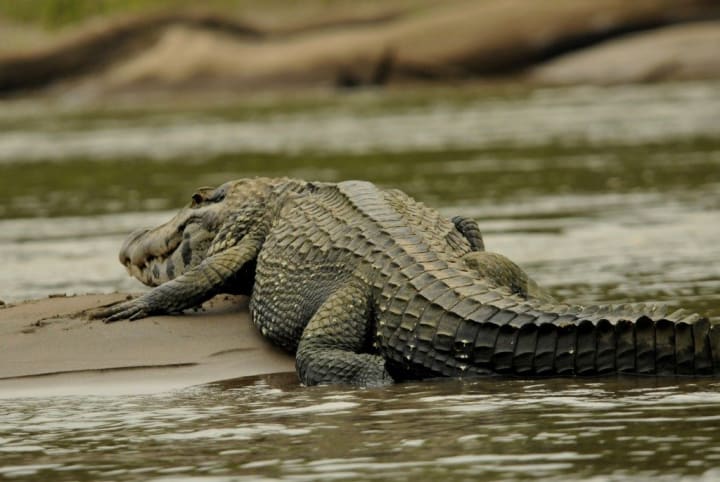
Black caimans are native to the Amazon Basin in South America, and they are widely distributed throughout the region. Their range extends from northern Argentina to Venezuela, and they are found in countries such as Brazil, Colombia, Peru, and Ecuador.
Preferred Habitats:
Black caimans prefer freshwater habitats, such as rivers, swamps, and lakes. They are well adapted to the unique environment of the Amazon Basin, with its warm temperatures and high rainfall. They are often found in areas with abundant vegetation and shallow waters, which provide them with protection and ample opportunities for hunting.
Seasonal Variations in Habitat:
The habitat of black caimans can change throughout the year due to seasonal variations in water levels and temperature. During the dry season, when water levels are low, black caimans may move to more permanent bodies of water, such as lakes and rivers, in order to find food and suitable breeding sites. During the rainy season, when water levels are high, black caimans may expand their range and move into new habitats. These seasonal variations in habitat are important for the survival of the species and the maintenance of the Amazonian ecosystem.
Hunting and Feeding Behavior
Prey Selection and Hunting Techniques:
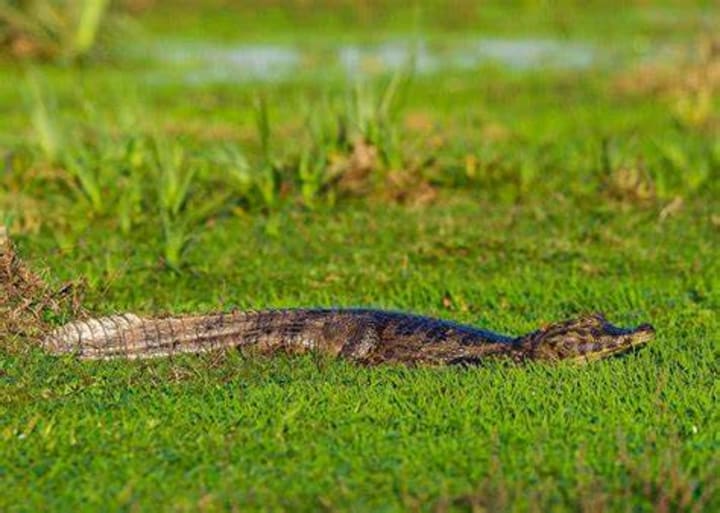
Black caimans are opportunistic predators and feed on a wide variety of animals, including fish, birds, mammals, and reptiles. They are nocturnal hunters and use their keen sense of smell and hearing to locate prey in the water. They then use their powerful jaws and sharp teeth to crush and kill their prey.
Role in the Ecosystem as a Predator:
Black caimans play an important role in the ecosystem as top-level predators. By predating on other animals, they help to control the populations of their prey and prevent overpopulation. This in turn helps to maintain the balance of the ecosystem and ensure the survival of other species.
Importance in Maintaining the Balance of the Ecosystem:
As apex predators, black caimans play a crucial role in maintaining the balance of the ecosystem by controlling the populations of their prey. By doing so, they help to prevent overgrazing and overfishing, which can have negative impacts on the health of the ecosystem. Additionally, the presence of black caimans helps to maintain the diversity of the ecosystem by keeping other species in check and promoting coexistence. This is why the conservation of black caimans is important for the health and resilience of the Amazonian ecosystem.
Reproduction and Life Cycle
Breeding and Nesting Habits:
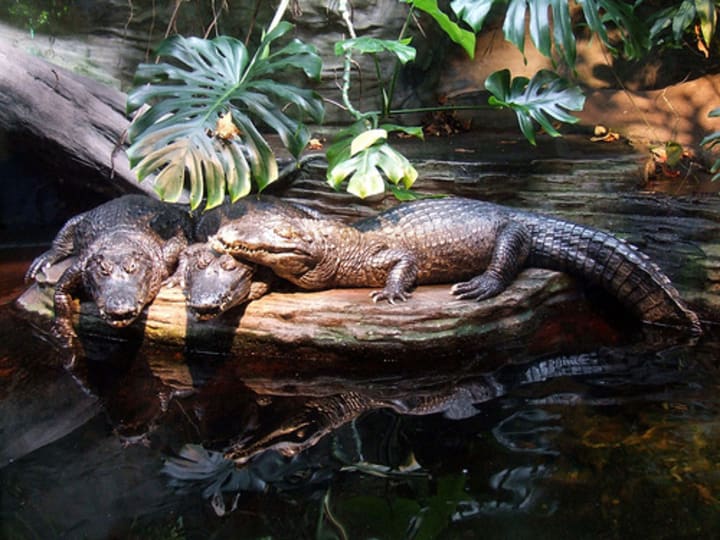
Black caimans breed once a year, during the rainy season, when water levels are high, and food is abundant. Female black caimans build large nests on the banks of rivers or lakes, and they lay their eggs inside the nest. The male black caiman guards the nest until the eggs hatch, and he also helps to protect the young after they hatch.
Hatching and Growth of Young:
Black caiman eggs take approximately 90 days to hatch, and the young are born with a length of around 30 cm. After hatching, the young rely on the warmth of the sun and the protection of the nest for the first few weeks of their life. They then begin to venture out into the water, where they feed on small fish and insects. Young black caimans grow rapidly, reaching maturity in 6-10 years.
Lifespan and Mortality:
The lifespan of a black caiman in the wild is estimated to be around 20-30 years, although some individuals have been known to live for as long as 40 years. Mortality in young black caimans is high, with many falling prey to other predators or drowning in the water. However, once they reach maturity, black caimans are one of the top predators in their environment and have few natural predators of their own. The main threats to black caimans in the wild are habitat loss, hunting, and accidental capture in fishing gear.
Threats and Conservation Status
Human Impact on Populations:
Human activities, such as deforestation, urbanization, and agriculture, have had a significant impact on black caiman populations. The destruction of their habitats has reduced the size of their range and limited their access to food and breeding sites. In addition, human activities have increased the level of pollutants in the waterways, which can have negative impacts on the health of black caimans and the ecosystem as a whole.
Poaching and Illegal Hunting:
Poaching and illegal hunting of black caimans for their skin and meat has also had a negative impact on their populations. In some parts of their range, black caimans are hunted for their valuable skin, which is used to make leather goods such as shoes, belts, and handbags. In other areas, they are hunted for their meat, which is considered a delicacy in some cultures. The illegal trade in black caiman products is a significant threat to the survival of the species.
Conservation Efforts and Protection:
In response to the threats facing black caimans, conservation efforts have been established to protect the species and its habitat. Black caimans are protected by law in many countries in their range, and international trade in their products is regulated under the Convention on International Trade in Endangered Species of Wild Fauna and Flora (CITES). Additionally, conservation organizations and researchers are working to increase public awareness about the importance of black caimans and the need to protect them and their habitat. These efforts aim to ensure the long-term survival of black caimans in the Amazon Basin and to maintain the health of the ecosystem that they inhabit.
Conclusion
Summary of the Importance of Black Caiman:
Black caimans are large, apex predators that play a crucial role in the Amazon Basin ecosystem. They have a wide range of physical adaptations that allow them to hunt effectively and survive in their environment, and they are known for their powerful jaws and sharp teeth. Black caimans help to maintain the balance of the ecosystem by controlling the populations of their prey, and they are also important for maintaining the diversity of the ecosystem by promoting coexistence among species.
The Need for Conservation and Protection:
Despite their importance, black caimans face a number of threats, including habitat loss, poaching, and illegal hunting. These threats have had a negative impact on black caiman populations and have put the species at risk of extinction. To ensure the survival of black caimans and the health of the Amazonian ecosystem, it is important to continue efforts to protect the species and its habitat.
The Significance of Black Caiman in the Amazon Ecosystem:
Black caimans are a keystone species in the Amazon Basin, and their presence is vital for the health of the ecosystem. They help to control the populations of their prey, promote coexistence among species, and maintain the balance of the ecosystem. The conservation of black caimans is therefore important not only for the survival of the species but also for the health and resilience of the Amazonian ecosystem as a whole. By working to protect black caimans and their habitat, we can help to ensure the long-term survival of this unique and important species and the ecosystem that it inhabits.
About the Creator
Hosting a Book Fair
How many of you remember the “best week ever!” from when you were a child? Book fairs were the staple of many of our childhoods with Scholastic leading the way. While there are many choices for book fairs today and I absolutely want to talk about them, that’s going to be a later article.
By Reb Kreyling6 days ago in Education
Communicating with Confidence: Building Trust Through Simplicity
Trust is the cornerstone of any meaningful relationship, whether professional or personal. At the heart of trust lies the ability to communicate clearly. People naturally respond to straightforward, reliable, and easy-to-understand information. Professionals who prioritize clarity establish credibility and foster confidence in others. Clients, colleagues, and partners feel assured that they can make informed decisions when the messages they receive are transparent and well-articulated.
By Stacey Yim3 days ago in Education




Comments
There are no comments for this story
Be the first to respond and start the conversation.