
The Bitcoin Standard: The Decentralized Alternative to Central Banking
The Bitcoin Standard: Bridging the Gap to Financial Freedom Through Decentralization
Introduction:
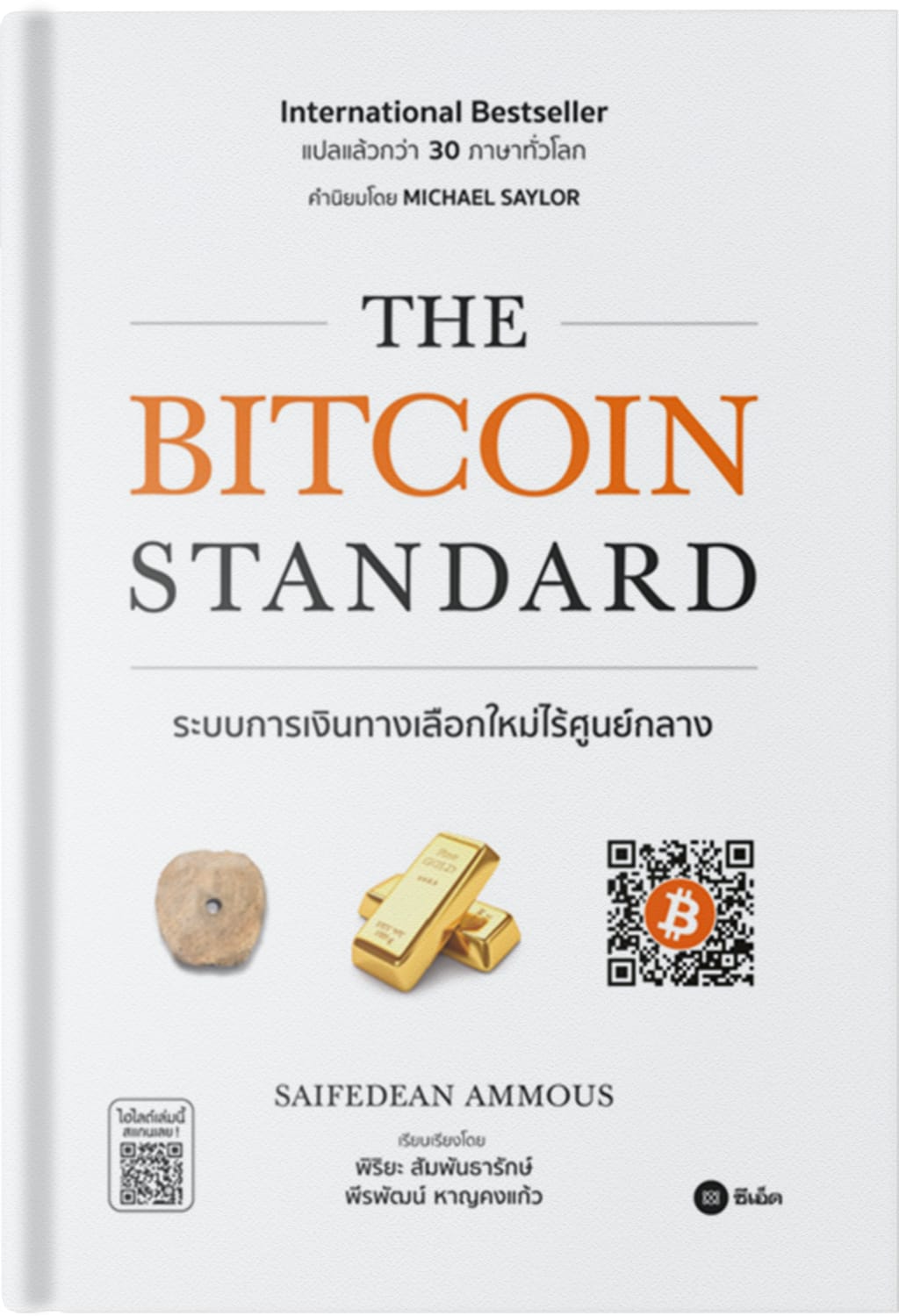
"The Bitcoin Standard: The Decentralized Alternative to Central Banking" by Saifedean Ammous is a groundbreaking exploration of the revolutionary potential of Bitcoin in transforming the global financial system. Published in 2018, this book offers a comprehensive analysis of the flaws inherent in central banking and presents Bitcoin as a decentralized and disruptive alternative.
In an era marked by economic instability, increasing debt burdens, and the erosion of trust in traditional financial institutions, Ammous argues that Bitcoin holds the key to a secure, transparent, and resilient monetary system. By enlightening readers about the historical roots of money and the flaws of modern banking, Ammous presents a compelling case for the adoption of Bitcoin as a sound and effective currency.
The book begins by tracing the development of money throughout human history, discussing the importance of scarcity, durability, and divisibility in creating a reliable medium of exchange. Ammous highlights how governments and central banks, through their control over fiat currencies, have often abused their power, leading to arbitrary monetary policies, inflation, and financial crises.
Ammous contends that Bitcoin, with its decentralized nature and fixed supply, offers an alternative that can break free from the limitations and risks associated with central banking. He explores how Bitcoin's underlying blockchain technology not onlyprovides secure and transparent transactions but also eliminates the need for intermediaries and central authorities, empowering individuals to take control of their finances.
Moreover, Ammous addresses the potential of Bitcoin to serve as a global reserve currency, offering a hedge against inflation and protecting individuals from the volatile fluctuations of national currencies. He delves into the technical aspects of Bitcoin, explaining how its limited supply and cryptographic mechanisms ensure its scarcity and immutability.
Throughout the book, Ammous dissects the flaws of central banking systems, examining the detrimental effects of inflation, discretionary monetary policies, and moral hazards. He argues that Bitcoin's decentralized nature and adherence to the principles of sound money provide a much-needed antidote to the flaws of traditional financial systems.
"The Bitcoin Standard" presents a compelling vision of a future financial landscape where individuals have greater control over their finances and are less susceptible to the whims of central authorities. Ammous acknowledges the challenges and criticisms surrounding Bitcoin, addressing concerns related to scalability, energy consumption, and regulation while highlighting the potential for technological advancements and market forces to address these issues.
GET YOUR "The Bitcoin Standard: The Decentralized Alternative to Central Banking" HERE!!!
Summary:
Part 1: The Monetary Roots:
"The Bitcoin Standard" begins by examining the historical evolution of money and its importance for economic development. Ammous argues that sound money, characterized by scarcity and durability, has been an essential factor in fostering prosperity. Initially, commodities such as gold and silver served as money, with their scarcity and divisibility reflecting their inherent value.
With the rise of central banking and the abandonment of the gold standard, governments gained the power to manipulate currency at will. This transition led to an era of increasing inflation and economic instability, as the value of fiat money became prone to political and economic whims.
Part 2: Bitcoin and the Monetary Revolution:
Ammous introduces Bitcoin as a decentralized digital currencythat operates on a peer-to-peer network, removing the need for intermediaries such as banks or central authorities. Bitcoin's underlying technology, blockchain, ensures transparency, security, and immutability of transactions.
The author argues that Bitcoin possesses the characteristics of sound money as it is limited in supply, divisible, and impossible to counterfeit. Moreover, he emphasizes Bitcoin's potential to serve as a global reserve currency, enabling individuals around the world to transact without relying on unstable national currencies or central banks.
Part 3: Bitcoin and Central Banking:
Ammous critically examines the flaws of modern central banking systems. He highlights how central banks, through their control over monetary policy, often engage in artificial manipulation, resulting in inflation, economic instability, and wealth redistribution. Furthermore, he argues that central banks' discretionary approach creates moral hazards and encourages unsustainable debt-based economies.
Ammous contends that Bitcoin provides a decentralized alternative to central banking, with its scarcity and fixed supply offering a hedge against inflation. The author envisions a future scenario where individuals migrate from fiat currencies to Bitcoin, driving financial autonomy and reducing the influence of centralized authorities.
Part 4: Challenges and Critiques:
While acknowledging Bitcoin's potential, Ammous also addresses several challenges and critiques. He examines concerns related to scalability,energy consumption, and government regulation. Ammous argues that technological advancements and market forces will address scalability issues over time. He also presents evidence refuting claims about Bitcoin's excessive energy consumption, highlighting its potential to incentivize renewable energy development. Regarding government regulation, the author emphasizes the need for regulatory frameworks that support innovation without stifling the transformative potential of cryptocurrencies.

Conclusion:
"The Bitcoin Standard" offers a thought-provoking analysis of the historical context of money, the flaws of central banking, and the potential of Bitcoin to reshape the global financial system. Ammous argues that Bitcoin's decentralized nature and adherence to the principles of sound money provide a viable alternative to centralized control and inflationary practices. The book presents a vision of a future where Bitcoin's adoption and acceptance enable individuals to have greater control over their finances and reduce dependence on traditional banking systems.
GET YOUR "The Bitcoin Standard: The Decentralized Alternative to Central Banking" HERE!!!
About the Creator
Keep reading
More stories from Dejan Stevic and writers in Education and other communities.
One Million Followers, Updated Edition: How I Built a Massive Social Following in 30 Days
Introduction: "One Million Followers, Updated Edition: How I Built a Massive Social Following in 30 Days" by Brendan Kane is an inspirational and practical guide that offers valuable insights into successfully growing a substantial social media following. In this updated edition, Kane shares his proven strategies and techniques to help individuals and businesses unlock the power of social media and boost their online presence. This 2000-word summary delves into the key concepts outlined in the book, providing readers with a comprehensive overview of how to build a digital empire.
By Dejan Stevic3 years ago in Education
Is transcription a good career for work-life balance?
In today’s fast-moving world, “work-life balance” often feels like a luxury rather than a reality. Many traditional 9-to-5 jobs demand long commutes, fixed schedules, overtime, and constant availability. As remote work becomes more common, people are searching for flexible careers that allow them to earn well without sacrificing family time, health, or personal goals. One such career that continues to attract attention is transcription. But is transcription truly a good career for work-life balance? Let’s explore.
By Mahesh Kumar7 days ago in Education
Smart Steps Today for Tomorrow: Key Retirement Planning Tips for a Secure Future
Planning for retirement can feel stressful. However, with the right steps, you can build peace of mind and long-term comfort. Many people delay thinking about retirement because it seems far away. Yet time moves fast. The earlier you start, the stronger your future can be. These Key Retirement Planning Tips for a Secure Future will help you take simple and clear actions.
By Michael Petruska7 days ago in Education




Comments
There are no comments for this story
Be the first to respond and start the conversation.