
The Benefits of Meditation for Mental Health
Discovering Inner Peace
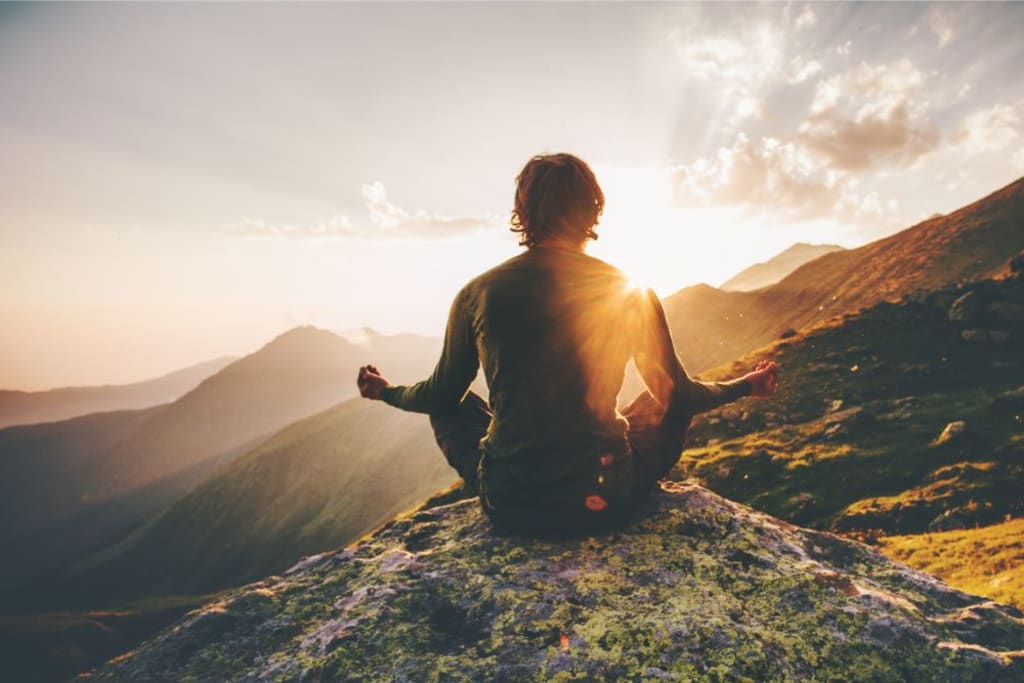
Meditation is an ancient practice that has been gaining popularity in recent years, especially as people are becoming more aware of the impact that stress and anxiety can have on mental health. Meditation has been shown to have a number of benefits for mental health, including reducing anxiety and depression, improving sleep, and increasing feelings of happiness and well-being.
One of the primary benefits of meditation is its ability to reduce stress and anxiety. Research has shown that regular meditation practice can help to decrease levels of the stress hormone cortisol in the body, which in turn can help to lower feelings of anxiety. This is because meditation helps to promote a sense of calm and relaxation, which can be especially helpful for individuals who struggle with stress and anxiety on a daily basis.
Another benefit of meditation is its ability to improve sleep. When we are stressed or anxious, it can be difficult to fall asleep and stay asleep, which can have a negative impact on our overall well-being. Regular meditation practice has been shown to help improve sleep by promoting relaxation and reducing stress and anxiety. This can lead to a more restful sleep and improved feelings of energy and alertness during the day.
In addition to reducing stress and anxiety and improving sleep, meditation can also increase feelings of happiness and well-being. This is because meditation helps to shift our focus away from negative thoughts and feelings and towards a more positive state of mind. By doing this, we can start to cultivate a more optimistic and grateful outlook on life, which can in turn lead to increased feelings of happiness and satisfaction.
Finally, meditation has also been shown to have a number of cognitive benefits, including improved attention and focus, better memory, and increased creativity. This is because meditation helps to train the brain to be more present and focused in the moment, which can help us to be more productive and effective in our daily lives.
Here are some ways on how to start you meditation!
Meditation is a simple and effective way to promote mental health and well-being. Whether you're dealing with stress, anxiety, or just looking for a way to improve your overall quality of life, meditation can be a valuable tool. In this article, we'll look at some tips for getting started with meditation for mental health.
Choose a quiet, comfortable space. When you're starting out with meditation, it's important to choose a quiet, comfortable space where you won't be disturbed. This could be a corner of your bedroom, a spot in your living room, or anywhere else where you feel calm and relaxed.
Decide on a time and duration. Decide on a time that works best for you to meditate, whether it's first thing in the morning, during lunchtime, or before bed. In terms of duration, even just a few minutes of meditation per day can be beneficial. As you get more comfortable with the practice, you can gradually increase the length of your meditation sessions.
Choose a style of meditation that works for you. There are many different styles of meditation, from mindfulness meditation to body scan meditation to loving-kindness meditation. Experiment with different styles until you find one that feels right for you.
Start with deep breathing. One of the simplest ways to start meditating is to focus on your breath. Simply sit in a comfortable position, close your eyes, and focus on taking slow, deep breaths. Pay attention to the sensation of the air moving in and out of your body, and let your thoughts come and go without getting too caught up in them.
Be patient with yourself. Meditation is a practice, and like any other practice, it takes time and patience to get good at it. Don't get discouraged if your mind wanders or you struggle to focus at first. This is normal, and with time and practice, you'll find that it becomes easier to stay focused and calm.
Make meditation a habit. Finally, make meditation a habit by setting aside time for it every day. Whether it's 10 minutes in the morning or five minutes before bed, make sure to stick to your meditation schedule as much as possible. This will help you develop a consistent practice, which is key to reaping the benefits of meditation for mental health.
In conclusion, meditation can be a powerful tool for promoting mental health and well-being. By reducing stress and anxiety, improving sleep, increasing happiness and well-being, and improving cognitive function, meditation can help to improve overall quality of life and support mental health. So, if you're looking to improve your mental health and well-being, why not give meditation a try today!
About the Creator
Keep reading
More stories from writers in Education and other communities.
How Clinical Mentorship Transforms Patient Experience and Accelerates Care Innovation
In an era where patient expectations are higher than ever, healthcare organizations are continuously searching for ways to improve patient experience while advancing care innovation. Clinical mentorship has become a vital strategy for achieving both objectives. By fostering professional growth, strengthening clinical judgment, and promoting patient-centered care, mentorship programs directly influence how care is delivered and how patients perceive their healthcare journey.
By Dr. Janet Chollet3 days ago in Education
Foot Bindings
I asked my grandmother how she knew she'd fallen in love. I am not sure I ever did love him, she said. This was before I met my husband. I was naive, a naked spring, a raw nerve of a thing. That cannot ever be me, I knew. Sadness swept in gently like a Moscow thaw. It is no simple thing, looking into a woman's vast soul and seeing its foot bindings. Now, in Italy divorced with my skin singed off, when I say I don't love him mean: I have succeeded at feeling nothing most days and it mostly works. Do you want the comfort of Nothing? Do you want Nothing, too? Be warned: you'll never be free, even when you are nothing. Here is what doesn't work: Accepting the stages of grief. Talking about it. Sitting with the feeling. Missing him—no, the person you were when you believed in death do us part. Writing poetry. That, too. When I say I don't love him I mean: I feel capsized in an endless, starved tide. What sometimes works: selective memory. You must forget ripe tomatoes and his beard and feeling perfectly sheltered in a big blue world. Forget coffee in bed, laughter watching TV, blowing out the candles on the birthday cake and the quiet all-encompassing knowledge that you are chosen. Remember only how love turned to a banal everyday survival act, a trapeze act unsure whether he will catch you, how the warmth stagnated and became sour, remember the foot bindings and remember the resentment boiling in your veins as you stick it out for the kids. Six-hour Netflix binges help, too. A man's fingers tracing your spine. Frozen pizza at 2 a.m. Random trips to the museum just to stand near things that last a while. The realization that crying won’t change anything. Seeing that life is just a dream, and refusing to participate in your own suffering. Bite your fist. Walk on eggshells around joy. When I say I don't love him, I mean he didn’t break my heart, he just stopped touching it and it forgot how to beat right.
By Ella Bogdanovaabout 9 hours ago in Poets
The Piggy Project
I’ve had so many names in this life I lose track of which ones were ever really mine and which ones I wore because someone needed me to. Some were handed to me before I had words to refuse them, before I knew what they meant, before I knew I could say no. Most weren’t meant to hurt. That doesn’t mean they didn’t leave marks. Marks that told me who I belong to, who I am by way of who claims me, recognizes me in the good and bad, who walks beside me.
By Fatal Serendipity6 days ago in Confessions


Comments
There are no comments for this story
Be the first to respond and start the conversation.