
The Benefits of Meditation and How to Get Started
Unlocking Inner Peace and Well-Being Through Simple Meditation Practices

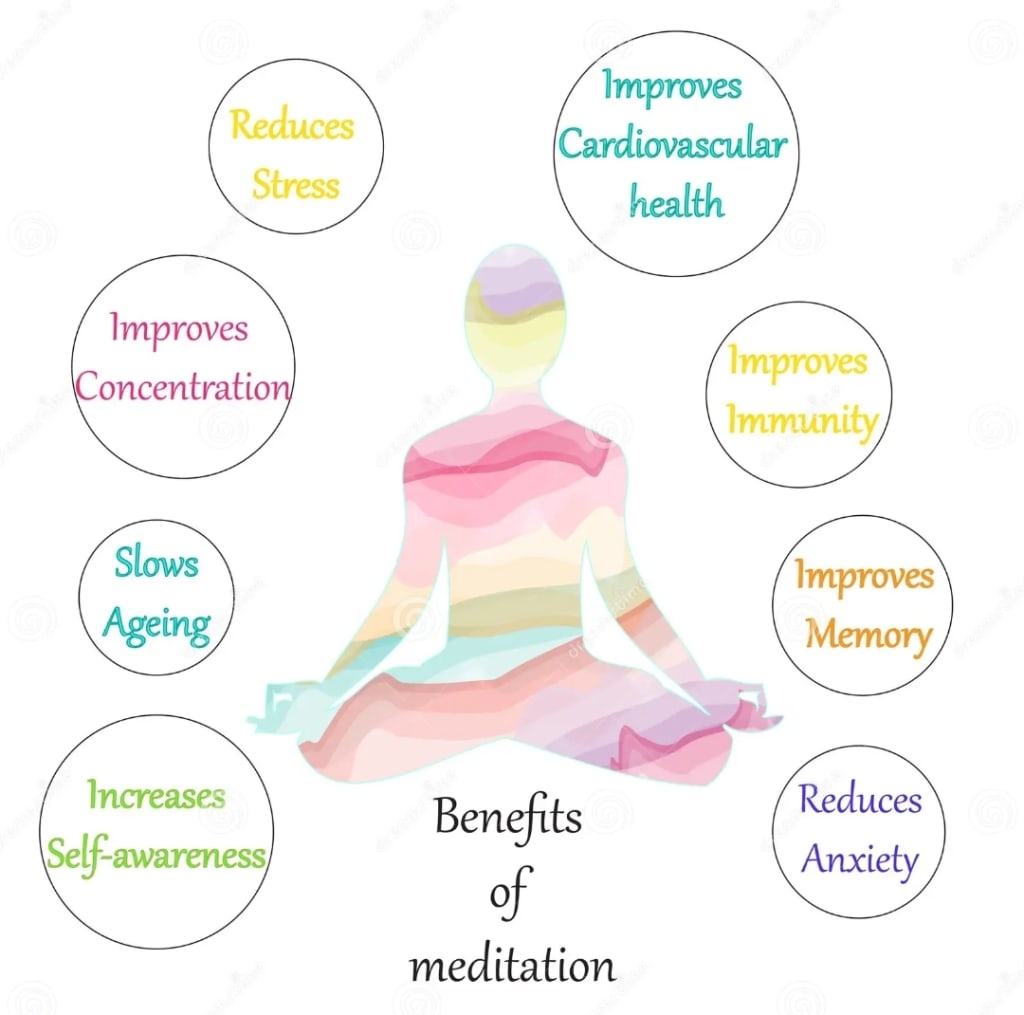
In today's fast-paced world, where demands and stressors are constantly vying for our attention, many people find themselves overwhelmed by the constant rush of life. Whether it's work pressures, personal challenges, or simply trying to keep up with the daily grind, stress has become a common part of life. However, there is an ancient practice that has been gaining more attention in recent years as an effective remedy to combat stress, improve mental health, and enhance overall well-being—meditation.
Meditation, an ancient practice rooted in various spiritual traditions, offers a wealth of benefits for those who embrace it. From reducing stress to improving focus and cultivating a sense of inner peace, the power of meditation is becoming increasingly recognized in modern society. In this article, we will explore the numerous benefits of meditation and provide practical tips on how to get started on your own meditation journey.
### The Benefits of Meditation
#### 1. **Stress Reduction**
One of the most well-known benefits of meditation is its ability to reduce stress. Meditation allows you to take a break from the constant stream of thoughts, worries, and distractions, creating space for relaxation and calm. Studies have shown that regular meditation can lower cortisol levels—the hormone associated with stress—and activate the body's relaxation response, leading to a profound sense of tranquility.
By focusing on the present moment and practicing mindfulness, meditation helps to break the cycle of anxiety and stress. Instead of dwelling on past regrets or worrying about the future, meditation encourages you to be fully engaged in the present, which can significantly reduce feelings of stress and overwhelm.
#### 2. **Improved Mental Health**
Meditation has been shown to have a positive impact on mental health, particularly in managing conditions such as anxiety and depression. Regular meditation practice can help calm the mind, reduce negative thinking patterns, and promote a sense of emotional balance. Research indicates that mindfulness meditation, in particular, can be as effective as therapy in treating symptoms of anxiety and depression.
Furthermore, meditation encourages self-compassion and acceptance. This shift in mindset can help individuals develop a healthier relationship with their thoughts and emotions, reducing the likelihood of negative self-talk or rumination, which are often associated with mental health issues.
#### 3. **Enhanced Focus and Concentration**
In our hyper-connected world, distractions are everywhere. From social media notifications to constant multitasking, it can be challenging to maintain focus on a single task. Meditation, however, can help train the brain to improve focus and concentration.
Mindfulness meditation, which involves paying attention to the present moment without judgment, has been found to increase activity in areas of the brain associated with attention and cognitive control. By regularly practicing meditation, individuals can enhance their ability to stay focused, improve memory retention, and be more productive throughout the day.
#### 4. **Better Sleep**
Sleep disturbances, including insomnia and poor-quality sleep, are common issues faced by many people. Meditation can be a powerful tool for improving sleep quality and promoting relaxation before bedtime. Meditation helps activate the parasympathetic nervous system, the part of the nervous system responsible for rest and relaxation. This can help to lower heart rate, reduce muscle tension, and prepare the body for restful sleep.
Practices such as guided meditation or deep breathing exercises are particularly effective for calming the mind and body before sleep. By incorporating meditation into your nightly routine, you may find that you fall asleep faster and experience more restful, uninterrupted sleep.
#### 5. **Increased Self-Awareness**
Meditation provides an opportunity for self-reflection and introspection, which can lead to increased self-awareness. By taking time each day to sit quietly and observe your thoughts without judgment, you can gain valuable insights into your thought patterns, behaviors, and emotional responses.
This heightened self-awareness can help you identify areas of your life that may need improvement, such as habits or thought patterns that are no longer serving you. By gaining a deeper understanding of yourself, you can make more informed decisions, set meaningful goals, and live a life that aligns with your values.
#### 6. **Enhanced Emotional Health**
In addition to improving mental health, meditation can also enhance emotional well-being. Meditation encourages mindfulness, which involves observing emotions as they arise without becoming attached to them. This practice allows you to experience emotions more fully while avoiding negative reactions or emotional outbursts.
Over time, meditation can help you develop greater emotional resilience, enabling you to respond to challenging situations with a sense of calm and equanimity. By cultivating emotional awareness and mindfulness, you can better manage your emotions and navigate life's ups and downs with greater ease.
#### 7. **Physical Health Benefits**
While meditation is often associated with mental and emotional well-being, it also offers a variety of physical health benefits. Studies have shown that regular meditation can lower blood pressure, reduce symptoms of chronic pain, and boost the immune system.
For example, mindfulness meditation has been linked to improved cardiovascular health by reducing blood pressure and improving heart rate variability. Meditation's ability to reduce stress and promote relaxation also plays a key role in improving overall physical health by decreasing inflammation and improving immune function.
### How to Get Started with Meditation
If you're new to meditation, getting started may seem daunting at first. However, meditation is a simple practice that requires no special equipment or experience. Here are some practical tips to help you begin your meditation journey:
#### 1. **Start Small**
When you're first starting out, it's important to start small and gradually build up your practice. Begin with just a few minutes each day and gradually increase the duration as you become more comfortable. Even five to ten minutes of meditation can have a positive impact on your well-being.
#### 2. **Find a Quiet Space**
Choose a quiet and comfortable space where you won't be easily distracted. This could be a corner of your home, a park, or any other place where you feel at ease. The goal is to create an environment that promotes relaxation and focus.
#### 3. **Focus on Your Breath**
A simple and effective way to meditate is to focus on your breath. Sit comfortably, close your eyes, and pay attention to your breath as it enters and leaves your body. If your mind starts to wander, gently bring your attention back to your breath without judgment. This practice helps you stay present and cultivates mindfulness.
#### 4. **Try Guided Meditation**
If you're struggling to meditate on your own, guided meditation can be a helpful tool. Guided meditation involves listening to a teacher or recording that leads you through the meditation process. There are many apps and online resources that offer guided meditation sessions for beginners.
#### 5. **Be Patient with Yourself**
Meditation is a skill that takes time to develop. It's normal for your mind to wander, especially in the beginning. Be patient with yourself and don't be discouraged if you find it difficult to stay focused. With practice, you'll become more comfortable with the process, and the benefits will become more apparent over time.
### Conclusion
Meditation is a powerful and accessible tool that can bring a wide range of benefits to your life. Whether you're seeking to reduce stress, improve mental health, enhance focus, or cultivate greater self-awareness, meditation offers a path to greater well-being. By starting with just a few minutes each day and being patient with the process, you can experience the transformative power of meditation and begin to enjoy a calmer, more centered life.
Incorporating meditation into your daily routine can have profound effects on both your mental and physical health. The key is to start small, be consistent, and embrace the journey of self-discovery. Through regular practice, you can unlock the full potential of meditation and experience the deep peace and clarity that comes with it.
About the Creator
Nora Ariana
Empowering through stories and sound igniting purpose, sparking growth, and awakening the power within.
Keep reading
More stories from Nora Ariana and writers in Education and other communities.
A goal is a dream with a deadline
A goal is a dream with a deadline. This powerful quote reminds us that without action, dreams remain just that wishes floating in our imagination. But when we set a timeline and commit to achieving them, they evolve into goals, bringing clarity, direction, and purpose. Many people go through life holding on to dreams, hoping they will come true someday. But someday is not a day on the calendar. Dreams without structure often fade with time or get buried under the weight of daily responsibilities. Turning a dream into a goal is what separates those who achieve from those who continue to wish.
By Nora ArianaExclusive • 9 months ago
Top 7 Life Changing Books to Read in 2026
In 2026, readers are not just looking for entertainment—they want books that change the way they think, feel, and see the world. With endless content available online, only a few books continue to stand out, remain widely read, and influence conversations across generations. These are the books people keep recommending, searching for, and returning to year after year.
By Waqar Khan3 days ago in Education
The Hidden Importance of Design Hierarchy: How Layout Guides Attention and Improves Readability
Design Hierarchy Is the Foundation of a Clear, Effective Website Design hierarchy is one of the most influential principles in web design — yet it’s often overlooked by users because a strong hierarchy feels seamless and natural. Hierarchy determines what people notice first, how they scan a page, and what they choose to engage with. When done correctly, it guides attention effortlessly, improves readability, and makes websites feel intuitive.
By Power Marketing International2 days ago in Education



Comments (1)
Hello, just wanna let you know that if we use AI, then we have to choose the AI-Generated tag before publishing 😊