
The Benefits of Installing Solar Panels in Your Home: A Sustainable Investment
roof and solar
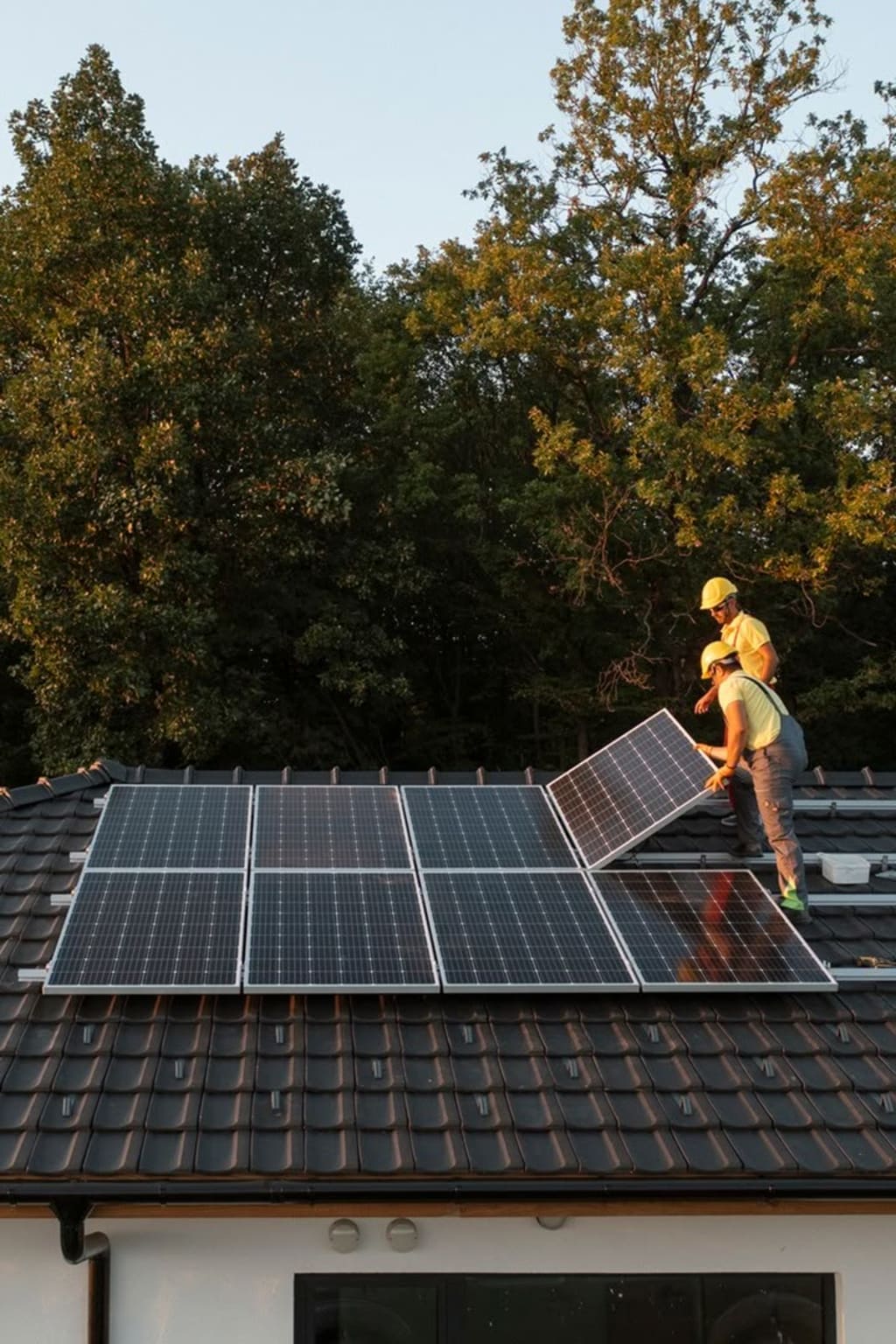
As the world increasingly shifts toward sustainability and cleaner energy solutions, homeowners are considering ways to reduce their environmental footprint and lower utility costs. One of the most impactful ways to do this is by installing solar panels on your home. With numerous advantages ranging from financial savings to environmental benefits, solar panels have emerged as a compelling option for homeowners looking to invest in their homes and the planet. In this article, we'll explore the many benefits of installing solar panels, including long-term savings, environmental impact, and energy independence.
1. Significant Cost Savings Over Time
One of the most immediate and tangible benefits of installing solar panels is the potential for significant cost savings on your electricity bills. Solar energy can provide a large portion of your home’s energy needs by harnessing the power of the sun, reducing your reliance on traditional electricity sources. Here's how the savings unfold:
Reduction in Electricity Bills
Once you install solar panels, the energy your home generates from the sun can offset your monthly electricity consumption. As your solar system powers your appliances, lights, and heating systems, your dependency on electricity from the grid decreases. This can result in a dramatic reduction in your monthly utility bills.
In some cases, if your system produces more energy than your home needs, you may even receive credits or payments from your utility company through net metering programs. This allows you to sell excess power back to the grid, further reducing your energy costs.
Long-Term investment
While the initial investment in solar panel installation can be substantial, the savings you accumulate over time make it a sound long-term investment. Solar panels typically have a lifespan of 25 to 30 years, meaning you could enjoy decades of reduced or eliminated electricity bills. Over this period, the cost of installation is typically recouped through savings, making solar panels an economically viable option for many homeowners.
Increased Home Value
Another financial benefit of installing solar panels is the potential increase in the value of your home. According to various studies, homes equipped with solar panels tend to sell for more than those without. Buyers are often willing to pay a premium for homes with solar systems, knowing that they will enjoy long-term energy savings and sustainability benefits.
Research has shown that homes with solar panels can sell for approximately 4% more than comparable homes without them. In some areas, especially those with high electricity rates or a strong commitment to sustainability, the increase in home value can be even higher.
2. Environmental Benefits: Reducing Your Carbon Footprint
In addition to the financial advantages, installing solar panels significantly reduces your environmental impact. As concerns over climate change and global warming continue to grow, many homeowners are looking for ways to make a difference. Solar energy is one of the cleanest sources of energy available, helping to reduce carbon emissions and reliance on fossil fuels.
Clean, Renewable Energy
Solar energy is a renewable resource that doesn't rely on burning fossil fuels like coal, oil, or natural gas. This means that by generating electricity through solar power, you're not contributing to the pollution caused by traditional energy production methods. In fact, solar panels produce zero emissions while generating power.
The more homes and businesses that adopt solar energy, the less dependence there is on coal and gas-fired power plants, which are some of the largest contributors to greenhouse gas emissions. By switching to solar, homeowners play an essential role in the global effort to reduce harmful emissions and combat climate change.
Reducing Your Carbon Footprint
Installing solar panels can significantly reduce your carbon footprint, which refers to the amount of carbon dioxide (CO2) emissions associated with your energy use. A typical residential solar system can eliminate around 100,000 pounds of CO2 emissions over the span of 20 years—equivalent to taking several cars off the road each year. This reduction in emissions helps mitigate the effects of global warming and reduces the demand for energy derived from fossil fuels.
Sustainable Energy for Future Generations
Solar energy is not only good for the planet today but also for future generations. Solar power is a renewable resource, meaning it will not run out as long as the sun shines. By adopting solar energy now, homeowners contribute to a sustainable energy future, helping to ensure that clean, renewable energy sources are available for generations to come.
3. Energy independence: Take Control of Your Energy Source
In an era of rising energy costs and frequent power outages in some areas, energy independence is becoming more desirable. Solar panels allow homeowners to generate their own electricity, providing a degree of self-sufficiency and control over their energy supply. Here's how solar panels can offer energy independence:
Protection Against Rising Energy Costs
Electricity prices are not static—they tend to increase over time due to inflation, demand, and rising costs of energy production. By installing solar panels, you can lock in energy costs for the long term. Since solar energy is free once the system is installed, you're no longer subject to the volatility of the energy market or utility rate increases.
Backup Power with Solar Battery Storage
For added peace of mind, many homeowners opt to combine solar panels with battery storage systems, such as the Tesla Powerwall or other similar technologies. These systems allow you to store excess energy produced by your solar panels during the day and use it at night or during power outages. In areas prone to frequent blackouts, solar battery storage can ensure that your home remains powered even when the grid goes down.
By using solar energy and storage together, you can achieve greater energy independence, reducing your reliance on the grid and avoiding potential disruptions to your electricity supply.
4. Government Incentives and Tax Benefits
Another attractive reason to install solar panels is the availability of government incentives and tax credits. Many federal, state, and local programs are designed to make solar energy more affordable for homeowners. These financial incentives can reduce the overall cost of installing solar panels, making the investment even more appealing.
Federal Solar Investment Tax Credit (ITC)
In the United States, the federal government offers a Solar Investment Tax Credit (ITC) that allows homeowners to deduct a percentage of the cost of installing a solar energy system from their federal taxes. As of 2023, the ITC offers a 30% tax credit on solar installations, which can significantly reduce the upfront costs of going solar. This credit is set to decline in the coming years, so it's a good idea to act sooner rather than later to take advantage of the full benefit.
State and Local Incentives
In addition to the federal ITC, many states, municipalities, and utilities offer their own incentives for homeowners who install solar panels. These may include rebates, performance-based incentives, or even low-interest loans to help with the upfront costs. Some states, like California and New York, offer particularly strong incentives to encourage solar adoption.
Net Metering and Solar Credits
Net metering is a program offered by many utility companies that allows homeowners with solar panels to sell excess energy back to the grid. In return, homeowners receive credits on their electricity bill, which can help offset the cost of energy when their solar panels are not producing enough power (e.g., during the night). This program can result in additional savings over time and make solar energy even more cost-effective.
5. Low Maintenance and Long Lifespan
Once installed, solar panels require very little maintenance. With no moving parts, solar systems are durable and built to withstand harsh weather conditions, including wind, rain, and snow. Most solar panels are designed to last for 25-30 years, and during that time, they require minimal upkeep. The most common maintenance tasks include periodic cleaning to remove dirt and debris, as well as occasional inspections to ensure the system is operating at peak efficiency.
Solar manufacturers typically offer warranties for 20 to 25 years, providing homeowners with peace of mind knowing that their investment is protected for decades. In the rare event of a system malfunction or failure, most manufacturers will provide service or replacement components under warranty.
Conclusion
Installing solar panels in your home is more than just an environmentally conscious choice—it’s also a smart financial investment that can provide significant long-term savings and energy independence. With the potential to reduce your electricity bills, increase your home’s value, and contribute to a cleaner, more sustainable world, solar panels offer numerous benefits for homeowners.
The initial cost may seem high, but with government incentives, tax credits, and the long-term savings they generate, solar panels quickly pay for themselves. As we continue to move toward a greener future, solar energy is an investment that not only benefits your wallet but also the planet.
If you're considering solar energy for your home, the time to act is now. By taking advantage of the available incentives and embracing clean, renewable energy, you’ll be making a smart decision for both your family’s future and the planet’s.
About the Creator
Keep reading
More stories from Jared Benning and writers in Education and other communities.
The Impact of Ratings and Reputation on Your Business Image: Why Maintaining It Matters
In today’s digital age, online reputation is everything. With customers increasingly relying on online reviews to make purchasing decisions, your business’s reputation can directly impact your bottom line. Positive ratings can elevate your business’s image, increase trust, and boost sales, while poor reviews and unmonitored feedback can damage customer perception, hinder growth, and reduce profitability.
By Jared Benning10 months ago in Education
What It Really Takes to Get a Wikipedia Page Approved in 2026
These days, Wikipedia isn't like the one some folks recall. Back then, an okay article often made it through with just small tweaks. Now things feel tighter, more intense. Every day brings thousands of fresh entries. Most vanish fast, blocked before they stick around. Getting turned down used to be rare. Lately, that's just how it goes.
By Hillshire Media4 days ago in Education
Fly Fishing or Spinning: Choosing the Best Fishing Technique for Your Next Adventure
When planning a fishing trip, one of the first questions many anglers face is whether to use fly fishing or spinning. Both methods are effective, enjoyable, and widely used, but they offer very different experiences. The right choice can shape how successful and enjoyable your trip feels. Understanding how each technique works will help you pick the option that fits your goals, location, and comfort level.
By Jett Harris of Arkansas4 days ago in Education
'20/20'
"Do It Again" the track that would ultimately open the Beach Boys final album on Capitol Records which was released on February 10th 1969 had originally been released as a single in August of 1968. The track was the first of many post-Pet Sounds era throwbacks to the early Beach Boys sound which would become continually more cliched and eventually lead the Beach Boys to the level of self-parody they would eventually succumb to in the 1980s while their closest contemporaries The Beatles nearing the end of their run in 1969 would go on to be viewed as the most influential band of all time. However, the song itself is not bad on its surface, and it opens with a futuristic sounding (for 1969) drumbeat captured by then-Beach Boys engineer Stephen Desper using tape delays on the drums performed by Dennis Wilson and John Guerin. The song has been re-recorded numerous times over the years on various Beach Boys-related projects most notably the 2011 re-recording at Capitol studios featuring the five surviving Beach Boys at the time backed instrumentally by various members of both the Brian Wilson Band and Mike Loves touring "Beach Boys" to promote the then upcoming Beach Boys 50th Anniversary reunion tour in 2012. The hammering and power drill sound at the end of the song was an excerpt from a track called "Workshop" that was to be a part of the uncompleted "SMiLE" album.
By Sean Callaghan6 days ago in Beat


Comments (1)
Solar panels are awesome’ great job