
The Benefits of Bilingual Education in Early Childhood
Why is it beneficial for your child to have a bilingual education?
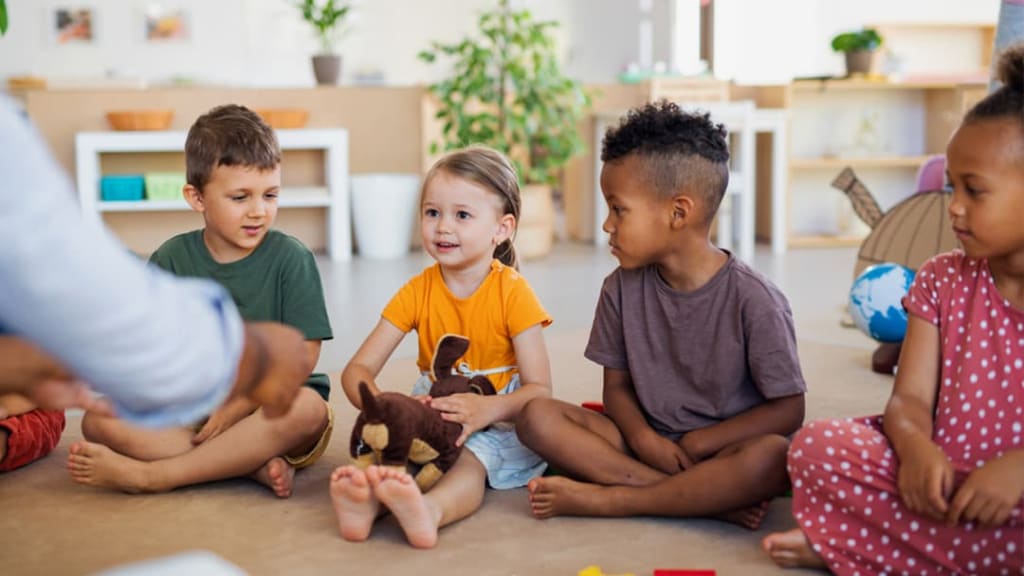
Did you know that bilingual children outperform their monolingual peers in terms of cognitive ability? Speaking two languages can enhance children's memory, focus, and problem-solving abilities, according to research. In today's world, introducing your child to a variety of languages at a young age can provide them with a wealth of future prospects. However, how do you bestow this benefit upon your child? Simply enroll them in a bilingual nursery, is the simple solution.
The advantages of bilingual education for young children, the implications for your child's cognitive development, and why Tappy Toes Nursery is the ideal setting for your kid to begin their bilingual journey are all covered in this blog post. Let's get going!
What is Bilingual Education?
Bilingual education refers to teaching/learning a curriculum in two languages. The goal is for students to become fully proficient in both their native and new languages. While methods can vary, most programmes begin introducing the second language in early childhood education or primary school. Native speakers teach lessons to ensure proper pronunciation and understanding from a young age. Students continue developing and using both languages throughout their education.
Why Is It Important to Learn a New Language?
Being multilingual has several benefits, particularly if learned early in life. During this era of fast development, the brain is most sensitive to learning new abilities and information. Early exposure to a second language can establish the groundwork for lifelong development of greater cognitive skills and cultural understanding. In the modern world, when exposure to diverse cultures and languages is essential, it provides kids a good start. Let's look at why learning a new language is important:
Cognitive Advantages
Let's first look at the cognitive advantages of learning a new language. The benefits of learning two languages begin in early childhood. Children's cognitive abilities, such as memory, problem-solving, and focused attention, are exercised when they learn a new language. The neuronal connections in the parts of the brain involved in language processing are stimulated by this. Choosing which language to speak or comprehend based on the situation is necessary when using two languages effectively. The brain networks that regulate executive function and multitasking are strengthened by it. Bilingual kids frequently perform better on specialized cognitive tests that gauge traits like verbal intelligence and mental flexibility than their monolingual peers. Early acquisition of these benefits may promote improved learning and development throughout school and beyond.
Cultural Diversity
Early exposure to a foreign language promotes cultural diversity as well. It teaches children to respect others and to be receptive to different traditions, practices, and points of view. Understanding a different language opens a window to various cultures and ways of thinking. It fosters tolerance and comprehension of individuals from various backgrounds. This lays the groundwork for embracing diversity as a richness rather than viewing it as anything to fear or shy away from. Children brought up with this mindset often grow up to be more compassionate, worldly adults. Growing up multilingual helps broaden children's perspectives and mold them into accepting adults of different cultures.
Growth in Social and Emotional Skills
Early childhood social and emotional development is further supported by bilingual schooling. For instance, conversing with and making friends with peers who speak different languages helps students develop their communication and cultural sensitivity. It emphasizes the importance of fostering understanding above presumptions. Managing two languages also enhances focus, cooperation, and patience—qualities that are crucial as kids begin school. When you speak two languages outside of your home, you must be adaptable to the various situations. All of these encounters help to develop confidence while interacting with people from various backgrounds.
Improved Capabilities for Solving Issues
Children who learn two languages must overcome linguistic conundrums, such as determining which language's rules to use when talking. This improves their capacity for creative thought and the ability to approach challenging problems from a variety of perspectives. According to research, bilingual children do better than their monolingual counterparts on tests of divergent thinking, analogy-making, and original problem-solving. These higher-order cognitive abilities are strengthened by the mental activity of transitioning between language systems.
Protection Against Dementia Symptoms
As the aging brain is exposed to cognitive demands over a long period of time, bilingualism prevents or delays some symptoms of dementia, according to study published in Frontiers in Neuroscience (2019). Maintaining two languages after childhood may reduce the natural weakening of brain regions responsible for memory, language, and other critical thinking abilities, according to research. Using two different modes of speech to keep the brain active has additional benefits for how the brain functions as we age. Long-term use of two languages stimulates the brain in ways that help it stay stronger for longer.
Tappy Toes Nursery's bilingualism promotion
Our goal at Tappy Toes Nursery is to give children early access to the enormous advantages of multilingual education. We use native speakers as teachers to immerse kids in both English and Arabic through our curriculum. Through music, games, storytelling, and hands-on activities, students innately pick up vocabulary and expressions in both languages. Our main goal is to foster an environment where children may speak freely and experiment with new words.
Through engaging, hands-on topics, our well-rounded curriculum incorporates all areas of learning. Along with linguistic development, we emphasize the development of cognitive abilities, athletic prowess, social-emotional maturity, and creativity.
About the Creator
Tappy Toes
Hello! Welcome to our page! We are professionals who are devoted to taking care of kids' mental and physical health. Following and writing interesting topics related to children is one of our favorite things. Enjoy reading our articles!
Keep reading
More stories from Tappy Toes and writers in Education and other communities.
Encouraging Diversity and Inclusion in Nursery
Do you want to promote inclusion and diversity in childcare settings? You may help young children acquire important social and emotional skills that will serve them well throughout their lives as a parent or educator by fostering an environment that values variety and encourages inclusivity. The significance of diversity and inclusion in early childhood education will be examined in this blog, along with the advantages of a multicultural perspective and useful tips for fostering diversity. By putting these tactics into practice, you’ll contribute to the development of a secure and nurturing atmosphere where each child feels seen, heard, and appreciated, laying the groundwork for a lifetime of achievement.
By Tappy Toes 2 years ago in Education
How Early Hustle Jobs Build Lifelong Skills and Confidence
Early hustle jobs often begin as simple ways to earn extra money, but their long-term impact is far greater than most people recognize. Whether someone starts by babysitting, mowing lawns, working retail, or serving tables, these early experiences develop foundational skills that shape personal and professional success for decades.
By David Lipan5 days ago in Education


Comments
There are no comments for this story
Be the first to respond and start the conversation.