
The Benefits and Drawbacks of Telemedicine
Telemedicine offers increased access to healthcare and convenience for both patients and healthcare providers, but also has potential limitations such as misdiagnosis, privacy and security concerns, and limitations for certain patients and medical conditions. Careful consideration of the benefits and drawbacks should be taken when deciding if telemedicine is the right choice for a patient's healthcare needs.
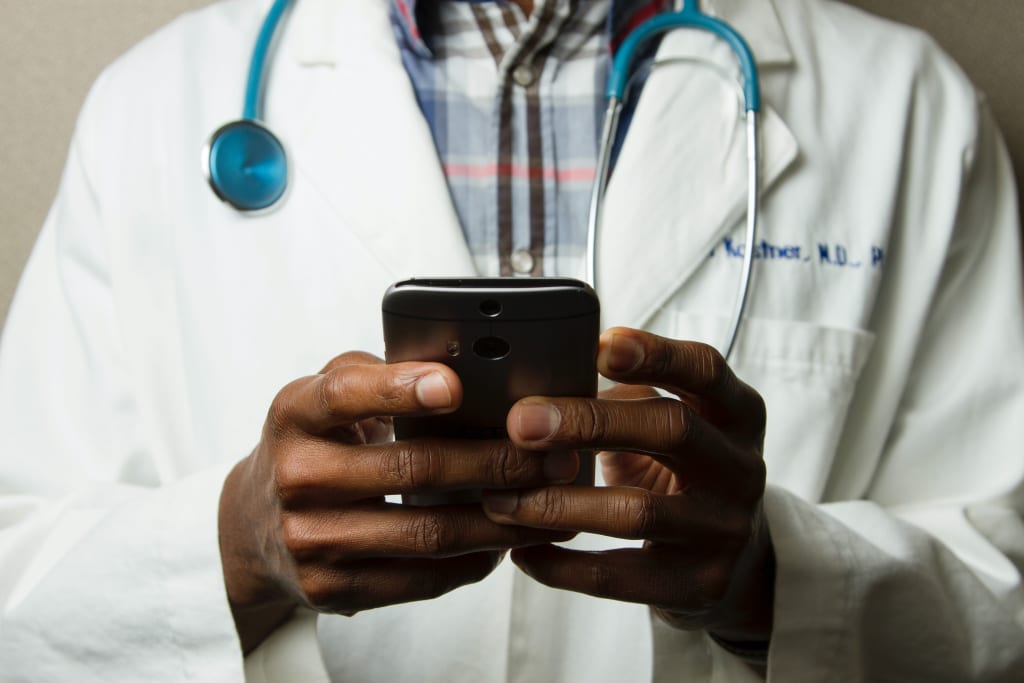
The Benefits and Drawbacks of Telemedicine
Telemedicine refers to the use of technology to provide medical care and consultation remotely. This includes the use of video conferencing, mobile applications, and other digital tools to connect patients with healthcare providers. In recent years, telemedicine has grown rapidly as a response to the increasing demand for accessible and convenient healthcare. However, while telemedicine offers numerous benefits, it also has several drawbacks that must be considered.
One of the key benefits of telemedicine is increased access to healthcare. With telemedicine, patients can connect with healthcare providers from the comfort of their own homes, reducing the need for in-person visits and making it easier for those living in remote or underserved areas to receive care. This is especially important for those with mobility issues or disabilities, as well as for those who live far from medical facilities.
Telemedicine also offers increased convenience for both patients and healthcare providers. Patients no longer need to take time off from work or travel long distances to receive medical care, and healthcare providers can offer consultations and follow-up appointments more easily and efficiently.
Another benefit of telemedicine is improved patient engagement and outcomes. With telemedicine, patients can receive timely and continuous care, and healthcare providers can monitor patients' progress and adjust treatment plans as needed. This can result in improved health outcomes and increased patient satisfaction.
Telemedicine can also help reduce healthcare costs. By reducing the need for in-person visits and providing more convenient and efficient care, telemedicine can help reduce the overall cost of healthcare. In addition, telemedicine can reduce the costs associated with travel and time off work for both patients and healthcare providers.
Despite its numerous benefits, telemedicine also has several drawbacks that must be considered. One of the biggest drawbacks is the potential for misdiagnosis and incorrect treatment. Without the ability to physically examine a patient, healthcare providers may be limited in their ability to diagnose and treat certain conditions.
Another drawback of telemedicine is the potential for privacy and security breaches. With the increasing use of technology in healthcare, there is a risk of sensitive patient information being hacked or stolen. It is important for healthcare providers and patients to be aware of these risks and to take steps to protect patient privacy and secure sensitive information.
In addition, telemedicine may not be suitable for all patients or all medical conditions. For example, telemedicine may not be appropriate for patients with complex or serious medical conditions that require physical examination or specialized care.
Finally, telemedicine may also be limited by access to technology and internet connectivity. Patients living in areas with limited internet access or who do not have access to technology may be unable to use telemedicine to receive medical care.
In conclusion, telemedicine offers numerous benefits, including increased access to healthcare, improved patient engagement and outcomes, and reduced healthcare costs. However, it also has several drawbacks, including the potential for misdiagnosis and incorrect treatment, privacy and security risks, limitations for certain patients and medical conditions, and limitations for access to technology and internet connectivity. To fully realize the benefits of telemedicine, it is important to address these drawbacks and ensure that telemedicine is accessible, secure, and effective for all patients and medical conditions.
Conclusion:- In conclusion, telemedicine offers numerous benefits and drawbacks that must be considered when deciding if it is the right choice for a patient's healthcare needs. While telemedicine can improve access to care, increase patient engagement and outcomes, and reduce healthcare costs, it also has limitations that may impact the accuracy of diagnosis and treatment and raise concerns about privacy and security. To ensure that telemedicine is accessible, secure, and effective for all patients, it is important for healthcare providers and patients to be aware of its benefits and drawbacks and to take steps to address any limitations. Ultimately, the decision to use telemedicine should be based on the individual needs and circumstances of each patient, and in consultation with a healthcare provider.
About the Creator
Dipesh Saini
I, Dipesh saini student at Rajasthan University in Bachelor of computer application. Currently, I am working with a Network Marketing start-up. I am interested in writing. I am interested to work on the new task.
Keep reading
More stories from Dipesh Saini and writers in Education and other communities.
The Impact of Global Health Initiatives on Communities
Global health initiatives have played a critical role in improving health outcomes and reducing health disparities around the world. These initiatives, which are often led by international organizations such as the World Health Organization (WHO), aim to improve access to healthcare, prevent and treat diseases, and promote overall health and wellbeing. The impact of these initiatives on communities has been significant and has led to improved health outcomes and reduced health disparities.
By Dipesh Saini3 years ago in Education
Purpose First Branding: How Brands Build Trust Beyond Products
Brands today compete in crowded markets. Many companies sell similar items at similar prices. Because of this, products alone no longer define success. Customers now want more than quality goods. They want brands that stand for something meaningful. This shift makes building brands that connect through purpose more important than ever.
By Nathalie Kyriakou6 days ago in Education
The Digital Kitchen Revolution: How Technology Is Redefining Restaurant Efficiency
The restaurant industry has entered a new era where technology plays a central role in shaping daily operations. Restaurants are no longer relying only on traditional methods to run their businesses. Instead, digital tools and modern software solutions are helping restaurant owners manage their operations more efficiently while meeting the growing expectations of customers. As dining habits evolve and competition continues to increase, technology has become an essential resource for improving productivity, reducing costs, and delivering better service.
By Steven Joseph Wolfe4 days ago in Education


Comments
There are no comments for this story
Be the first to respond and start the conversation.