
The Benefits and Drawbacks of Intermittent Fasting for Weight Loss
The Benefits and Drawbacks of Intermittent Fasting

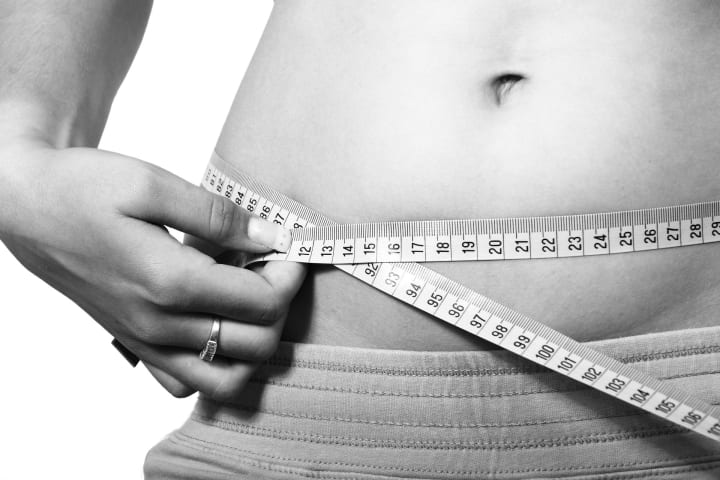
Intermittent fasting has become increasingly popular in recent years as a weight loss strategy. The concept is simple: instead of restricting calories all day long, you limit your eating to a certain window of time during the day or week. This approach is often touted as a more sustainable and healthy alternative to traditional calorie-restriction diets, but does it really work? In this article, we’ll explore the benefits and drawbacks of intermittent fasting for weight loss.

Benefits of Intermittent Fasting for Weight Loss
1. Helps with calorie restriction: One of the most significant benefits of intermittent fasting is that it can help you consume fewer calories. By restricting your eating window, you limit the time you have to eat, which often results in a natural reduction in calories. Studies have shown that intermittent fasting can lead to an overall reduction in calorie intake, resulting in weight loss.
2. Can improve insulin sensitivity: Intermittent fasting has also been shown to improve insulin sensitivity. Insulin is a hormone that regulates blood sugar levels and can have a significant impact on weight loss. When insulin sensitivity is low, the body may struggle to break down fat and store it, which can lead to weight gain. By improving insulin sensitivity, intermittent fasting can help the body burn fat more efficiently and lead to weight loss.
3. May reduce inflammation: Chronic inflammation has been linked to a variety of health problems, including obesity. Some studies have shown that intermittent fasting may help reduce inflammation in the body, which could potentially lead to weight loss.
4. May promote fat loss: Intermittent fasting can also promote fat loss. When the body doesn't have access to glucose from food, it begins to break down stored fat for energy. This can lead to a reduction in body fat and an increase in lean muscle mass.

Drawbacks of Intermittent Fasting for Weight Loss
1. May be difficult to stick to: While intermittent fasting can be effective for weight loss, it can be challenging to stick to. Many people find it difficult to go without food for long periods of time, which can lead to overeating during the eating window. Additionally, some people may experience hunger, fatigue, and irritability during the fasting period, which can make it challenging to maintain.
2. May lead to overeating: Intermittent fasting can also lead to overeating during the eating window. Because the body has been without food for an extended period, it may trigger hunger signals that can result in overeating. Additionally, some people may feel the need to “make up” for lost calories during the fasting period, which can lead to overeating during the eating window.
3. May not be suitable for everyone: Intermittent fasting may not be suitable for everyone. People with certain health conditions, such as diabetes or eating disorders, may need to avoid intermittent fasting or modify it to meet their specific needs. Additionally, women who are pregnant or breastfeeding may also need to avoid intermittent fasting.
4. May not be sustainable long-term: While intermittent fasting can be effective for weight loss in the short-term, it may not be sustainable long-term. Some people may find it difficult to maintain a strict eating window, which can result in weight regain over time. Additionally, some people may experience negative side effects, such as fatigue and irritability, which can make it challenging to sustain.

Conclusion
Intermittent fasting can be an effective weight loss strategy for some people. It can help reduce calorie intake, improve insulin sensitivity, reduce inflammation, and promote fat loss. However, it may not be suitable for everyone and may be difficult to stick to long-term. If you're considering intermittent fasting for weight loss, it's important to speak with your healthcare provider to determine if it's appropriate for you and to develop a plan that meets your specific needs and goals.
In addition to the benefits and drawbacks listed above, there are some other factors to consider when deciding whether or not to try intermittent fasting for weight loss. For example, it's important to think about your lifestyle and how intermittent fasting might fit into it. If you have a busy schedule that doesn't allow for regular eating windows, intermittent fasting may not be the best option for you.

It's also important to consider your personal food preferences and how they might be impacted by intermittent fasting. Some people find it difficult to stick to a restricted eating window if they have a preference for frequent snacking throughout the day. Others may struggle with feeling deprived during the fasting period, which can lead to overeating later.
Ultimately, the decision to try intermittent fasting for weight loss should be based on your individual needs and goals. If you're considering this approach, it's important to approach it with an open mind and to be willing to adjust your approach as needed.
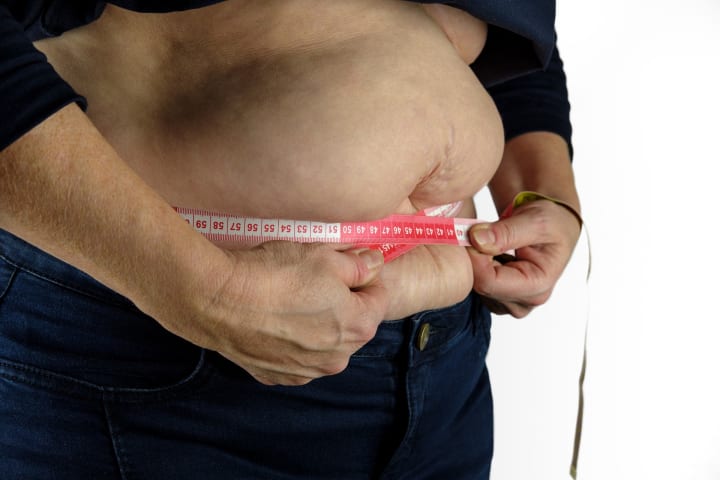
Some tips for successful intermittent fasting include:
• Start slowly: If you're new to intermittent fasting, start with shorter fasting periods and gradually increase the length of time as you become more comfortable.
• Stay hydrated: Drink plenty of water during the fasting period to help stave off hunger and keep your body hydrated.
• Plan ahead: Prepare your meals and snacks in advance to ensure that you have healthy options available during your eating window.
• Listen to your body: Pay attention to your hunger signals and adjust your fasting and eating windows as needed to ensure that you're meeting your nutritional needs.
• Seek support: Consider working with a healthcare provider or nutritionist to develop a plan that's tailored to your specific needs and goals.

In conclusion, intermittent fasting can be an effective weight loss strategy for some people. It can help reduce calorie intake, improve insulin sensitivity, reduce inflammation, and promote fat loss. However, it may not be suitable for everyone and may be difficult to stick to long-term. If you're considering intermittent fasting for weight loss, it's important to speak with your healthcare provider to determine if it's appropriate for you and to develop a plan that meets your specific needs and goals. With the right approach and support, intermittent fasting can be a sustainable and healthy way to achieve your weight loss goals.

About the Creator
Keep reading
More stories from Abhishek Sharma and writers in Education and other communities.
The Importance of Diversity and Inclusion in the Workplace
Diversity and inclusion are crucial elements for a successful workplace in the 21st century. In the past, organizations focused solely on increasing productivity and profits. However, with changing social norms and global outlook, the importance of promoting diversity and inclusion in the workplace has become a critical factor in ensuring the overall success of a business.
By Abhishek Sharma3 years ago in Education
The Role of Mentorship Circles in Shaping Resilient Entrepreneurs
Launching a startup in today’s competitive environment is as much about mindset as it is about innovation. While market knowledge and capital matter, resilience often defines whether a business survives its early stages. One of the most powerful tools in building that resilience is participation in mentorship circles, where emerging entrepreneurs learn, grow, and evolve under the guidance of experienced business leaders.
By Greg Warnock6 days ago in Education
Everyday Motion Explained, What Modern Kinesiology Teaches Us About How We Move
Modern kinesiology has changed how we understand the way people move each day. It examines how muscles, joints, and nerves work together during simple actions such as walking, reaching, or sitting. Instead of focusing solely on sports or injury, modern kinesiology studies daily movement and its effects it comfort, balance, and energy. This field shows that small habits shape how the body feels over time, even when pain is not present.
By Kelln Small6 days ago in Education
Living in a hemp house
Hemp, a multi-purpose crop that delivers fibres, shivs, seeds, and pharmaceuticals is currently used in insulation materials and bio-composites for a more sustainable construction industry. Russ Martin and his wife Karon Korp tell their story as owners of the first hemp house in the U.S.
By Susan Fourtané 6 days ago in Interview



Comments
There are no comments for this story
Be the first to respond and start the conversation.