
The Basics of Crypto currency:
A Beginner's Guide

I. Introduction
Cryptocurrency has become a popular term in recent years, but not everyone is familiar with what it means or how it works. At its core, cryptocurrency is a digital or virtual currency that uses cryptography for security and operates independently of a central bank or government.
A. Definition of cryptocurrency
In more technical terms, cryptocurrency is a decentralized digital currency that uses cryptography to secure and verify transactions as well as to control the creation of new units. Unlike traditional currencies, which are controlled by central authorities such as governments or banks, cryptocurrency transactions are verified and recorded on a public ledger called a blockchain, which is maintained by a network of computers around the world.
B. Brief history of cryptocurrency
The first cryptocurrency, Bitcoin, was created in 2009 by an anonymous person or group using the pseudonym Satoshi Nakamoto. Bitcoin was designed to be a decentralized alternative to traditional currencies and financial systems, with the goal of giving people more control over their money and transactions. Since then, thousands of other cryptocurrencies have been created, each with their own unique features and use cases.
Today, cryptocurrency is used for a wide range of purposes, including buying and selling goods and services online, investing and trading, and even as a form of charitable giving. While there is still a lot of uncertainty and debate around the future of cryptocurrency, it's clear that it has already had a significant impact on the way we think about money and finance.
II. How cryptocurrency works
Cryptocurrency is often referred to as a digital or virtual currency, but what does that actually mean? At its core, cryptocurrency is a unique combination of technologies that allow for secure, decentralized transactions without the need for a central authority.
A. Blockchain technology
One of the key technologies behind cryptocurrency is the blockchain. A blockchain is a public ledger of all the transactions that have ever been made using a particular cryptocurrency. Every time a transaction is made, it is verified by a network of computers around the world, and then added to the blockchain as a new block. Once a block has been added to the blockchain, it can't be changed or deleted. This makes the blockchain an incredibly secure way to store transaction data, and helps to ensure that no one can tamper with the records.
B. Decentralization
Another important feature of cryptocurrency is decentralization. Unlike traditional currencies, which are controlled by central authorities such as governments or banks, cryptocurrency operates independently of any central authority. Instead, it is maintained and verified by a network of computers around the world, which work together to ensure the integrity and security of the system. This decentralization makes it much harder for any one entity to control or manipulate the system, which is one of the key benefits of cryptocurrency.
C. Cryptography
The final technology that makes cryptocurrency possible is cryptography. Cryptography is the practice of securing communication from third parties. In the context of cryptocurrency, cryptography is used to ensure the security and privacy of transactions. Every time a transaction is made, it is encrypted using complex mathematical algorithms, which makes it virtually impossible for anyone to intercept or steal the transaction data. This encryption is one of the key features that makes cryptocurrency transactions so secure and reliable.
Overall, the combination of blockchain technology, decentralization, and cryptography is what makes cryptocurrency such a unique and powerful technology. By combining these elements, cryptocurrency has created a new way to think about money and finance, one that is more secure, more transparent, and more decentralized than ever before.
III. Different types of cryptocurrency
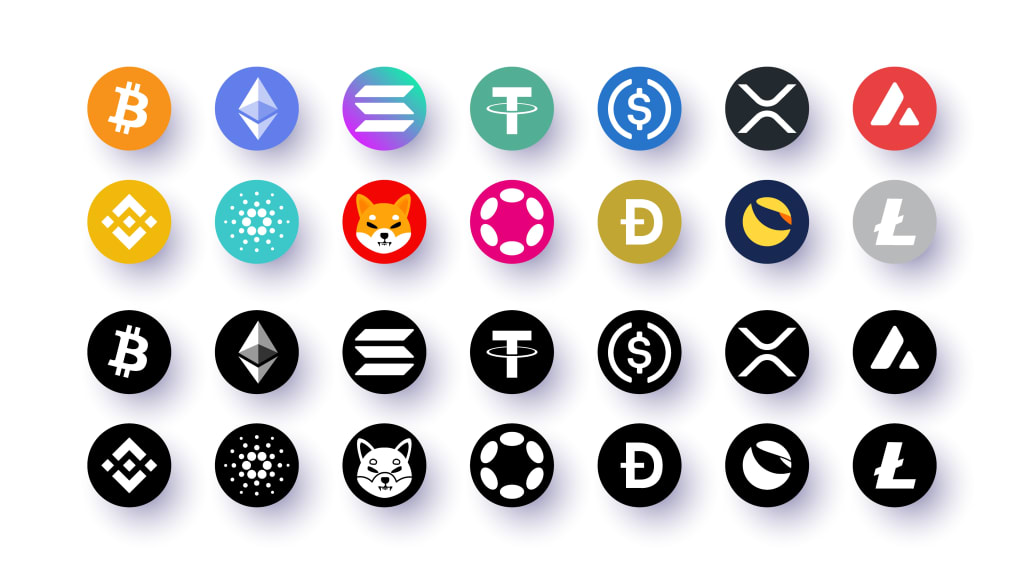
While Bitcoin is the most well-known and widely used cryptocurrency, there are actually thousands of different cryptocurrencies in existence, each with their own unique features and use cases. Here are some of the most popular cryptocurrencies in use today:
A. Bitcoin
Bitcoin was the first cryptocurrency ever created, and it remains the most popular and widely used cryptocurrency to this day. Bitcoin is designed to be a decentralized alternative to traditional currencies, with the goal of giving people more control over their money and transactions. Bitcoin transactions are verified and recorded on a public ledger called the blockchain, which is maintained by a network of computers around the world.
B. Ethereum
Ethereum is another popular cryptocurrency that was created in 2015. Like Bitcoin, Ethereum is based on a decentralized blockchain network, but it has some unique features that set it apart. One of the key features of Ethereum is the ability to create and execute "smart contracts," which are self-executing contracts with the terms of the agreement between buyer and seller being directly written into lines of code.
C. Ripple
Ripple is a cryptocurrency that was created in 2012, and it is designed to be used for fast, low-cost international money transfers. Unlike many other cryptocurrencies, Ripple is not based on a decentralized blockchain network, but instead uses a unique consensus algorithm to verify transactions.
D. Litecoin
Litecoin is a cryptocurrency that was created in 2011 as a faster and more efficient alternative to Bitcoin. Like Bitcoin, Litecoin is based on a decentralized blockchain network, but it uses a different algorithm for verifying transactions that allows for faster processing times and lower transaction fees.
E. Other cryptocurrencies
In addition to these popular cryptocurrencies, there are many other cryptocurrencies in use today, each with their own unique features and use cases. Some other popular cryptocurrencies include Bitcoin Cash, Cardano, Dogecoin, and Tether.
Overall, the world of cryptocurrency can be a complex and confusing place, with thousands of different cryptocurrencies and a wide range of features and use cases. By understanding the basics of some of the most popular cryptocurrencies, however, you can gain a better understanding of how cryptocurrency works and how it might be useful in your own life.
IV. How to obtain cryptocurrency
Now that you have a better understanding of what cryptocurrency is and how it works, you might be wondering how to get your hands on some. Here are three of the most common ways to obtain cryptocurrency:
A. Buying cryptocurrency on an exchange
The easiest and most common way to obtain cryptocurrency is to simply buy it on an exchange. There are many different cryptocurrency exchanges out there, each with their own fees and features. To buy cryptocurrency on an exchange, you'll need to create an account, verify your identity, and then deposit money into your account. Once you have money in your account, you can use it to buy the cryptocurrency of your choice.
B. Mining cryptocurrency
Another way to obtain cryptocurrency is to "mine" it. Mining involves using your computer to solve complex mathematical equations that are used to verify transactions on the blockchain. When you successfully solve a mathematical equation, you are rewarded with a certain amount of the cryptocurrency you are mining. Mining can be a complex and time-consuming process, however, and it requires a lot of computing power and electricity.
C. Receiving cryptocurrency as payment
Finally, you can also obtain cryptocurrency by receiving it as payment for goods or services. Many businesses and individuals are starting to accept cryptocurrency as a form of payment, which means that you can earn cryptocurrency by selling goods or services or by accepting tips or donations. To receive cryptocurrency as payment, you'll need to set up a digital wallet and provide the person or business you're working with, with your wallet address.
Overall, there are many different ways to obtain cryptocurrency, each with their own advantages and disadvantages. By understanding the different options available, you can choose the method that works best for you and start using cryptocurrency in your own life.
V. Storing cryptocurrency
Once you have obtained cryptocurrency, it's important to think about how you will store it safely and securely.
Here are two of the most common ways to store cryptocurrency:
A. Cryptocurrency wallets
One of the most popular ways to store cryptocurrency is by using a cryptocurrency wallet. A cryptocurrency wallet is a digital wallet that stores your cryptocurrency and allows you to send and receive it. There are many different types of cryptocurrency wallets available, including hardware wallets, software wallets, and mobile wallets. Each type of wallet has its own advantages and disadvantages, and it's important to choose the right one for your needs.
B. Cold storage vs. hot storage
When it comes to cryptocurrency wallets, there are two main types of storage: cold storage and hot storage. Cold storage refers to any method of storing cryptocurrency that is not connected to the internet, such as a hardware wallet or a paper wallet. Cold storage is considered to be the most secure way to store cryptocurrency, as it is less vulnerable to hacking and other cyber-attacks.
Hot storage, on the other hand, refers to any method of storing cryptocurrency that is connected to the internet, such as a software wallet or a mobile wallet. While hot storage is more convenient and easy to use, it is also more vulnerable to hacking and other cyber-attacks.
Overall, choosing the right way to store your cryptocurrency is an important decision, as it can have a significant impact on the security and accessibility of your funds. By understanding the different options available, you can choose the method that works best for you and ensure that your cryptocurrency is stored safely and securely.
VI. The advantages and disadvantages of using cryptocurrency
As you consider whether to start using cryptocurrency, it's important to understand both the advantages and disadvantages of this emerging technology. Here are some of the key advantages and disadvantages of using cryptocurrency:
A. Advantages:
Decentralization: One of the main advantages of cryptocurrency is its decentralized nature. Unlike traditional forms of currency, which are controlled by governments and financial institutions, cryptocurrency is powered by a decentralized network of users. This means that there is no central authority or institution that controls the currency, which can make it more resistant to manipulation and censorship.
Security: Cryptocurrency transactions are secured using complex cryptography and are recorded on a public ledger known as the blockchain. This makes it more difficult for hackers and cybercriminals to steal or tamper with transactions, which can make cryptocurrency more secure than traditional forms of currency.
Anonymity: While cryptocurrency transactions are recorded on the blockchain, they are not typically linked to real-world identities. This means that users can make transactions anonymously, which can be an advantage for people who value privacy and anonymity.
B. Disadvantages:
Volatility: One of the main disadvantages of cryptocurrency is its high volatility. The value of cryptocurrencies can fluctuate widely in a short period of time, which can make them risky for investors and traders.
Complexity: Cryptocurrency can be complex and difficult to understand, particularly for people who are not familiar with technology or finance. This can make it difficult for people to start using cryptocurrency, which can limit its adoption and use.
Limited merchant acceptance: While the number of merchants that accept cryptocurrency is growing, it is still limited compared to traditional forms of payment. This can make it difficult to use cryptocurrency for everyday purchases and transactions.
Overall, cryptocurrency has both advantages and disadvantages, and it's important to carefully consider both before deciding whether to start using it. By understanding the benefits and drawbacks of cryptocurrency, you can make an informed decision about whether it's right for you.
VII. Cryptocurrency regulation
As cryptocurrency continues to gain popularity, governments around the world are grappling with how to regulate this emerging technology. Here are two key areas to consider when it comes to cryptocurrency regulation:
A. Global overview of cryptocurrency regulation
The regulation of cryptocurrency varies widely from country to country. Some countries have taken a more permissive approach to cryptocurrency, while others have implemented strict regulations or even banned it outright. In the United States, for example, cryptocurrency is regulated at the federal and state level, with different agencies and departments responsible for different aspects of regulation. Other countries, such as Japan and Malta, have implemented comprehensive regulatory frameworks to promote the growth and adoption of cryptocurrency.
B. The impact of regulation on the cryptocurrency market
The impact of regulation on the cryptocurrency market is complex and multifaceted. On the one hand, regulation can provide clarity and stability, which can encourage more people to start using cryptocurrency. It can also help to prevent fraud and other illegal activities, which can improve the reputation and legitimacy of cryptocurrency.
On the other hand, overly strict or burdensome regulation can stifle innovation and limit the growth of the cryptocurrency market. In some cases, regulation can even drive cryptocurrency businesses and investors to other countries with more favorable regulatory environments.
Overall, the regulation of cryptocurrency is a complex and evolving topic. By staying informed about the latest developments in cryptocurrency regulation, you can better understand the risks and opportunities associated with this emerging technology.
VIII. Conclusion
In this beginner's guide to cryptocurrency, we've covered the basics of this emerging technology, including how it works, the different types of cryptocurrency, how to obtain and store it, and the advantages and disadvantages of using cryptocurrency. We've also touched on the global regulatory landscape and the impact of regulation on the cryptocurrency market.
Here's a brief recap of the key points covered in this guide:
• Cryptocurrency is a digital or virtual currency that uses cryptography to secure and verify transactions and to control the creation of new units.
• Blockchain technology, decentralization, and cryptography are key components of cryptocurrency.
• Bitcoin, Ethereum, Ripple, Litecoin, and other cryptocurrencies each have unique features and characteristics.
• There are several ways to obtain cryptocurrency, including buying it on an exchange, mining it, and receiving it as payment.
• Cryptocurrency can be stored in digital wallets, either online or offline, and there are different types of wallets to choose from.
• The advantages of using cryptocurrency include decentralization, security, and anonymity, while the disadvantages include volatility, complexity, and limited merchant acceptance.
• Cryptocurrency regulation varies widely from country to country and can have both positive and negative impacts on the cryptocurrency market.
Looking to the future, the outlook for cryptocurrency is both exciting and uncertain. While some people predict that cryptocurrency will become a mainstream form of payment and investment, others are skeptical about its long-term viability. Ultimately, the future of cryptocurrency will depend on a variety of factors, including technological advancements, global regulatory frameworks, and consumer adoption.
If you're interested in exploring the world of cryptocurrency further, there are many resources available to help you learn more. Whether you're a beginner or an experienced trader, there's always something new to discover in the exciting and ever-changing world of cryptocurrency.
About the Creator
Alhassan Fuseini Mustapha
I am a web designer.
Keep reading
More stories from Alhassan Fuseini Mustapha and writers in Education and other communities.
HOW TO BUY AND SELL CRYPTOCURRENCY;
I. Introduction Buying and selling cryptocurrency has become increasingly important as more people have become interested in investing in digital assets. Cryptocurrencies have been known to have high volatility, which can result in significant gains or losses in a short period of time. Additionally, cryptocurrencies can be used as a form of payment for goods and services, making them a valuable alternative to traditional currency.
By Alhassan Fuseini Mustapha3 years ago in Education
The Hidden Importance of Design Hierarchy: How Layout Guides Attention and Improves Readability
Design Hierarchy Is the Foundation of a Clear, Effective Website Design hierarchy is one of the most influential principles in web design — yet it’s often overlooked by users because a strong hierarchy feels seamless and natural. Hierarchy determines what people notice first, how they scan a page, and what they choose to engage with. When done correctly, it guides attention effortlessly, improves readability, and makes websites feel intuitive.
By Power Marketing International6 days ago in Education
Me and Study: Nights I Didn’t Tell Anyone About
There were nights when the world slept, and I stayed awake with my books like they were the only witnesses to my existence. No one knew about those hours—not my friends, not my family, not even the version of me I showed during the day. These were the nights I didn’t talk about, because explaining them felt heavier than living through them.
By Inamullah Momand 7 days ago in Education
Miss Persephone's Manual to a Seemingly Ordinary Life
Miss Persephone was found at the dining table, her blue eyes swollen, her tears arriving and retreating like the tides of the ocean. Earlier that day, her family had visited her in the retirement home where she had lived for eight years. It was her eightieth birthday.
By Imola Tóth6 days ago in Fiction




Comments
There are no comments for this story
Be the first to respond and start the conversation.