
The Art and Science of Website Design: A Comprehensive Guide
"Discover the art and science of website design in our comprehensive guide. Learn about key principles, best practices, and the latest trends to create visually appealing and user-friendly websites that drive success."


In the digital age, a well-designed website is more than just an online presence; it's a crucial element of a brand's identity and a key factor in its success. From attracting visitors to converting leads, website design plays a significant role in achieving business goals. In this comprehensive guide, we'll explore the principles, best practices, and latest trends in website design.
Understanding Website Design
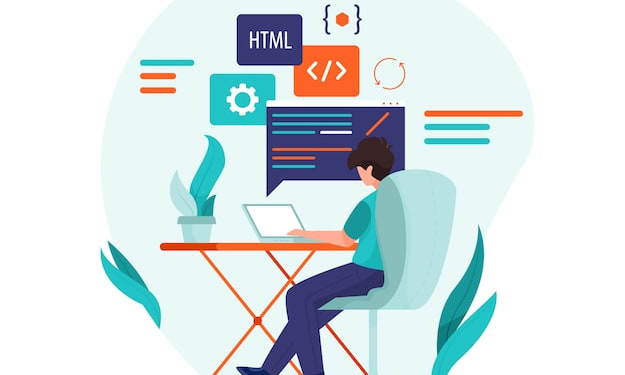
Website design is the process of creating visually appealing and user-friendly websites. It involves a combination of graphic design, user interface (UI) design, and user experience (UX) design. A well-designed website should not only look good but also be easy to navigate, accessible, and optimized for performance across different devices and screen sizes.
Key Principles of Website Design
Purpose: Before starting the design process, it's essential to understand the purpose of the website. Is it an e-commerce site, a portfolio, a blog, or a corporate website? The design should align with the website's goals and target audience.
User Experience (UX): UX design focuses on creating a positive experience for users. This includes designing intuitive navigation, clear calls-to-action, and ensuring fast loading times.
Visual Design: Visual design is about creating an appealing look and feel for the website. This includes choosing the right color scheme, typography, and imagery to convey the brand's identity and message.
Accessibility: Accessibility is crucial for ensuring that all users, including those with disabilities, can access and use the website. Design considerations include using alt text for images, providing keyboard navigation, and ensuring readability for all users.
Responsiveness: With the increasing use of mobile devices, it's essential for websites to be responsive, meaning they can adapt to different screen sizes and devices. This ensures a consistent user experience across all platforms.
Best Practices in Website Design
Simplicity: Keep the design simple and uncluttered to avoid overwhelming users. Use white space effectively to improve readability and focus.
Consistency: Maintain consistency in design elements such as colors, fonts, and layout throughout the website to create a cohesive look and feel.
Navigation: Design intuitive navigation menus that make it easy for users to find the information they're looking for. Use clear labels and logical hierarchy.
Visual Hierarchy: Use visual hierarchy to guide users' attention to the most important elements on the page, such as headlines, call-to-action buttons, and key messages.
Mobile Optimization: Ensure that the website is optimized for mobile devices, including fast loading times and responsive design.
Latest Trends in Website Design
Dark Mode: Dark mode is a popular design trend that reduces eye strain and improves readability in low-light conditions. Many websites now offer a dark mode option for users.
Minimalist Design: Minimalist design focuses on simplicity and clean aesthetics, with an emphasis on white space and typography. This approach can improve loading times and enhance user experience.
Microinteractions: Microinteractions are subtle animations or visual cues that provide feedback to users, such as a button changing color when hovered over. They can enhance usability and make the website more engaging.
3D Elements: 3D design elements, such as illustrations and animations, can add depth and visual interest to a website. They can create a more immersive experience for users.
Voice User Interface (VUI): With the rise of voice assistants, VUI design is becoming increasingly important. Designing for voice interaction involves considerations such as natural language processing and audio feedback.
Conclusion
Website design is a dynamic and evolving field, with new trends and technologies emerging regularly. By understanding the principles, best practices, and latest trends in website design, you can create websites that not only look great but also provide a seamless user experience. Whether you're designing a personal blog or a corporate website, a website design company in india can create an awesome website for your business.
About the Creator
webdevelopmentindia
webdevelopmentindia is an award-winning website development company in india and, as the best PHP development company in india, we've helped a lot of small businesses in india and around the world.
Keep reading
More stories from webdevelopmentindia and writers in Education and other communities.
WordPress Development: Best Practices and Considerations
Unveiling the Cryptic Charm of WordPress Welcome to a realm where pixels dance to the tune of creativity, and words wield the power of enchantment. Today, we embark on a journey beyond the ordinary, into the mysterious world of unique blogging on WordPress.
By webdevelopmentindia2 years ago in Education
NCLEX Study Plan: A Step-by-Step Guide for Nursing Students
Preparing for the NCLEX-RN is one of the most important milestones in the nursing students’ career. This is because the NCLEX is the final step before nursing students can become licensed nurses. However, it is not as easy as simply reading nursing textbooks and taking notes from class lectures. This is because the NCLEX is designed to test the nursing students’ clinical judgment and decision-making skills.
By Sulcus Learning3 days ago in Education
A School Morning Assembly
Morning assembly is an important activity in many schools. It is a daily gathering of students and teachers before the start of classes. Usually, the assembly takes place in the school ground or in a large hall. All the students stand in lines according to their classes while teachers supervise them. Morning assembly helps students begin their day in a disciplined and organized way. It also creates a positive environment for learning. The morning assembly usually begins with a prayer. The prayer helps students feel calm and focused. It gives them a peaceful start to the day. In many schools, the national anthem is also sung during the assembly. Singing the national anthem together creates a feeling of respect and love for the country. It also helps students feel united as members of the same school community.
By aadam khan7 days ago in Education



Comments
There are no comments for this story
Be the first to respond and start the conversation.