
The Art and Science of Rock Climbing: A Journey to the Peak
Reaching New Heights: The Mental and Physical Thrills of Rock Climbing

Rock climbing is as much about technique and mental focus as it is about raw physical strength. From its origins as a mountaineering pursuit, it has evolved into a diverse activity, appealing to adventurers, athletes, and outdoor enthusiasts alike.
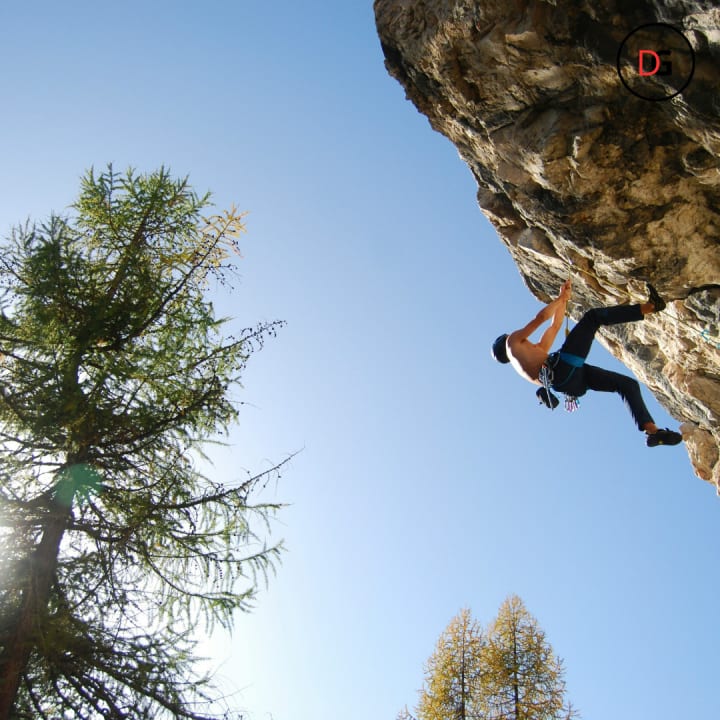
Types of Rock Climbing
Bouldering:
Short, powerful climbs on small rock formations or indoor walls without the use of ropes. The height is limited (usually no more than 20 feet), and climbers rely on crash pads to break their falls. Bouldering focuses heavily on explosive strength and problem-solving, as routes (called "problems") are typically intense and demanding.
Sport Climbing:
Involves ascending rock faces using pre-placed bolts drilled into the rock. Climbers clip into these bolts with quickdraws as they ascend. Sport climbing emphasizes endurance, flexibility, and technique, as the routes (or "pitches") are often longer and more sustained than bouldering.
Traditional (Trad) Climbing:
Climbers place their own removable gear, like cams and nuts, into cracks in the rock for protection. Trad climbing requires a deep knowledge of gear, and the mental toughness to trust placements. It’s considered one of the purest forms of climbing, where the climber leaves no trace behind.
Free Soloing:
The most dangerous form of climbing, where the climber ascends without ropes or safety gear. A fall typically means certain death. Free soloing was brought to the mainstream by climbers like Alex Honnold, who scaled Yosemite's El Capitan without ropes. It's a practice that’s as thrilling as it is terrifying, reserved only for the most experienced and mentally strong climbers.
The Mental Game
One of the most fascinating aspects of rock climbing is the mental challenge. Unlike many sports that rely on routine and predictability, climbing presents a constantly shifting landscape. No two climbs are exactly the same, and climbers must constantly adapt.
Fear is a major component. Even with modern safety equipment, the fear of falling is always present. Managing this fear is crucial. Many climbers talk about the "flow state," a mental space where focus and confidence take over, allowing them to perform at their peak.
Climbing also teaches problem-solving. Each route or boulder problem presents a puzzle, requiring climbers to think creatively, position their bodies precisely, and conserve energy. The joy of “sending” (completing) a problem or route after many attempts is often a highlight of the experience.
The Physical Demands
Rock climbing is a full-body workout. Your legs generate most of the power, but the core is engaged for balance and stabilization, while arms and fingers maintain grip and control. Climbing routes are often referred to as "problems" because they challenge every part of the body.
Climbers must also have excellent flexibility and balance. Advanced moves like heel hooks (using the heel to pull on a hold) or dynos (jumping to grab a distant hold) require agility and coordination. Over time, climbing develops finger strength, tendon resilience, and stamina in ways that few other sports can match.
Climbing as a Lifestyle
For many, rock climbing isn't just a hobby—it's a way of life. Climbers often travel the world in search of new routes, from the boulders of Fontainebleau in France to the granite walls of Yosemite in the U.S. There's a global community of climbers who share beta (information) on routes, gear, and training techniques, fostering camaraderie.
In recent years, climbing has also gained mainstream recognition, with its inclusion in the 2020 Tokyo Olympics. Competitive climbing has further evolved the sport, focusing on speed, difficulty, and problem-solving abilities in controlled environments.
Environmental Impact and Sustainability
One of the emerging issues in rock climbing is its environmental footprint. As more people take to the cliffs, the impact on natural landscapes has become a concern. The growth of the sport has led to greater efforts to promote responsible climbing, including “Leave No Trace” ethics and minimizing wear on natural rock.
Many climbers are passionate environmental advocates, working to preserve the areas they climb in. Projects like Access Fund in the U.S. help maintain climbing areas, promote sustainable practices, and secure access to crags threatened by development or environmental restrictions.
Why We Climb
The appeal of rock climbing is deeply personal. For some, it’s the adrenaline rush of reaching new heights. For others, it’s about pushing physical and mental boundaries. There's also an undeniable connection with nature, as climbers are often found in some of the world's most beautiful and remote locations.
In the end, climbing is more than a sport—it’s a test of patience, skill, and endurance. Each ascent is a new challenge, but the summit always brings the same reward: a sense of accomplishment, freedom, and perspective.

Getting Started
If you’re new to rock climbing, indoor climbing gyms are a great place to learn the basics in a controlled environment. Gyms offer classes, rental gear, and friendly communities where you can develop your skills before venturing outdoors.
Rock climbing is for everyone, regardless of age or experience level. Whether you're scaling the smallest boulders or tackling the tallest peaks, the journey is always upward, and the reward is personal growth.
Rock climbing is a sport that teaches you how to push your limits—physically, mentally, and emotionally. It’s about facing fears, solving problems, and continually striving for improvement. Whether you're climbing with friends or alone, each climb is a new adventure, and the summit is always worth the effort.
About the Creator
Dales Guide
Join me on a journey through the world of hobbies! From DIY projects and crafts to games and outdoor adventures, I share my honest reviews, tips, and insights. Let’s discover new passions together
Keep reading
More stories from Dales Guide and writers in Education and other communities.
Top 10 best golf club sets for beginners
Choosing the right golf club set is crucial for beginners, as it can significantly impact how you develop your skills and enjoy the game. The best beginner golf clubs are designed to be forgiving, lightweight, and easy to hit, helping you build confidence while improving your technique. With so many options on the market, it can be overwhelming to pick the right set. In this guide, we’ve compiled the top 10 golf club sets for beginners, highlighting features such as affordability, design, and performance to help you find the perfect fit as you start your golfing journey.
By Dales Guideabout a year ago in Education
Smart College Planning Tips Every Family Should Know Before Applying to College
College planning can feel overwhelming for students and parents. There are many decisions to make, and each one can affect the future. With the right approach, the process becomes clearer and more manageable. Smart college planning tips help families stay prepared, avoid common mistakes, and move forward with confidence. This article shares simple and practical guidance to support students and parents through every stage of college planning.
By Michael Petruskaabout 20 hours ago in Education




Comments
There are no comments for this story
Be the first to respond and start the conversation.