

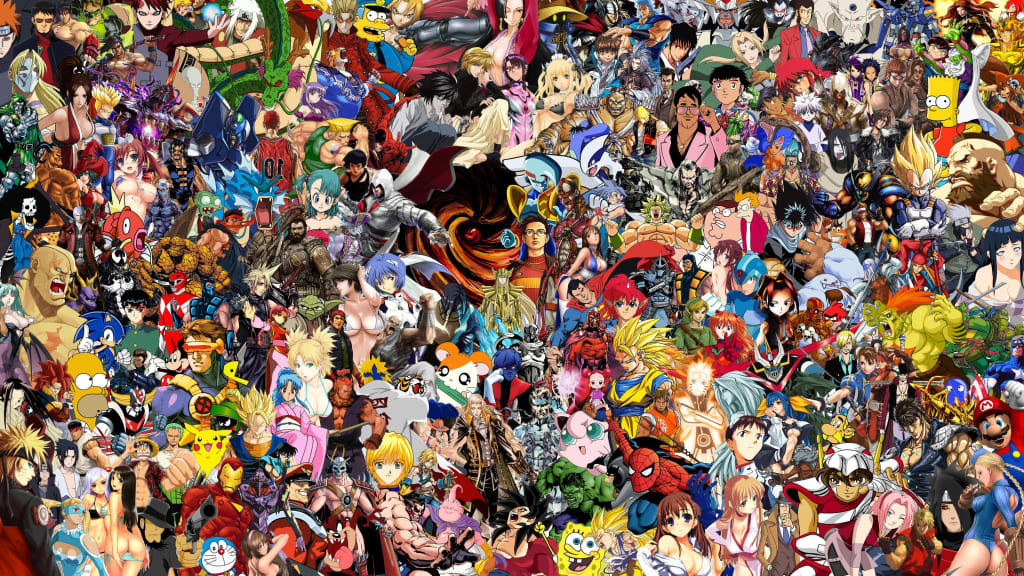
Anime, which is a term used to refer to animated television shows and films originating from Japan, has a rich history and diverse origins. The roots of anime can be traced back to the early 20th century, but its modern form began to take shape after World War II.
The first anime films emerged in the 1910s, heavily influenced by Western animation styles. However, it wasn't until the 1960s that anime started to develop its distinctive artistic and storytelling techniques. Osamu Tezuka, often called the "Godfather of Manga," played a significant role in shaping the anime industry. His work, including "Astro Boy" and "Kimba the White Lion," introduced a unique style characterized by expressive character designs, dynamic action sequences, and mature themes.
As television became popular in Japan during the 1950s and 1960s, anime production shifted from primarily theatrical releases to television series. The introduction of serialized anime brought about longer story arcs and more complex narratives.
In the 1980s and 1990s, anime gained international recognition with iconic titles like "Dragon Ball," "Sailor Moon," and "Pokémon." This era also saw the rise of different genres, such as mecha (giant robot) anime with series like "Mobile Suit Gundam" and "Neon Genesis Evangelion."
With the advancement of technology, anime production techniques evolved. Traditional hand-drawn animation started to incorporate digital tools, resulting in more vibrant colors and elaborate visual effects. The 2000s saw the emergence of anime aimed at diverse audiences, including slice-of-life shows like "K-On!" and darker, psychological narratives like "Death Note."

In recent years, anime has experienced a global surge in popularity, thanks to streaming platforms that offer a wide range of titles to international audiences. The industry continues to innovate and experiment with various animation styles, storytelling techniques, and thematic elements, catering to a broad spectrum of viewers.
It's important to note that anime is a medium rather than a genre. It encompasses a vast array of genres, including action, romance, comedy, science fiction, fantasy, and more. The diversity within anime allows for a wide range of storytelling possibilities, attracting fans from different backgrounds and interests.

Anime has had a significant impact on popular culture, both in Japan and around the world. Here are some of the key ways in which anime continues to influence various aspects of society:
1. Global Popularity: Anime has gained immense popularity internationally, with a dedicated fan base across different countries. Streaming platforms like Crunchyroll, Funimation, and Netflix have made anime easily accessible to a broader audience, leading to increased global viewership and fandom.
2. Cultural Exchange: Anime serves as a medium for cultural exchange, allowing people from different backgrounds to explore and appreciate Japanese culture. It introduces viewers to Japanese traditions, language, cuisine, fashion, and social norms, fostering cross-cultural understanding and appreciation.
3. Influence on Entertainment: Anime has influenced various forms of entertainment beyond animated shows. Live-action adaptations of popular anime series and films have become more common, demonstrating the impact and commercial viability of anime franchises. Additionally, anime-inspired art styles, character designs, and storytelling techniques have influenced video games, comics, and animated series from other countries.
4. Cosplay and Conventions: Anime conventions, such as Comic Market (Comiket) in Japan and Anime Expo in the United States, have become popular gathering places for fans. Cosplay (costume play), where fans dress up as their favorite anime characters, has become a widespread phenomenon at these events and serves as a way for fans to express their love for anime.
5. Economic Impact: The anime industry has a significant economic impact. It generates revenue through merchandise sales, home video releases, licensing agreements, and collaborations with other industries. Anime-related merchandise, such as figurines, clothing, and accessories, is highly sought after by fans worldwide.
6. Influence on Western Animation: Anime has influenced Western animation, with shows incorporating anime-inspired art styles and storytelling techniques. This cross-pollination has led to the emergence of series like "Avatar: The Last Airbender" and "The Legend of Korra," which blend Western and Eastern animation styles.
7. Social Media and Online Communities: Anime fandom has a strong online presence, with dedicated communities on social media platforms, forums, and websites. Fans engage in discussions, fan art creation, and sharing recommendations, contributing to the overall visibility and impact of anime.
8. Expansion of Genres and Themes: Anime has diversified the range of storytelling genres and themes. It covers a wide spectrum, from action-packed adventures and romantic comedies to thought-provoking dramas and psychological thrillers. This diversity has attracted viewers with varying interests and helped push the boundaries of traditional storytelling.
Overall, anime continues to have a profound impact on various aspects of entertainment, culture, and global media. Its influence is likely to grow as the industry continues to innovate and captivate audiences with new and engaging stories.
About the Creator
Dan IsEnjoyingLife
Chill, Relax and Enjoy Life is my Priority.
Please Subscribe for more Chilling, Relaxing and Enjoying Article, Thank You.
Keep reading
More stories from Dan IsEnjoyingLife and writers in Education and other communities.
The Start of E-Mail
The term "e-mail" is short for "electronic mail." It refers to the transmission of digital messages, typically consisting of text, between individuals or groups over computer networks. E-mail allows people to communicate quickly and efficiently by sending messages to recipients anywhere in the world, as long as they have an internet connection and an e-mail address.
By Dan IsEnjoyingLife3 years ago in Education
NCLEX Study Plan: A Step-by-Step Guide for Nursing Students
Preparing for the NCLEX-RN is one of the most important milestones in the nursing students’ career. This is because the NCLEX is the final step before nursing students can become licensed nurses. However, it is not as easy as simply reading nursing textbooks and taking notes from class lectures. This is because the NCLEX is designed to test the nursing students’ clinical judgment and decision-making skills.
By Sulcus Learninga day ago in Education
The Value of Hard Work
Hard work is one of the most important qualities for success in life. It means putting effort, time, and dedication into our tasks and responsibilities. Many people dream of becoming successful, but success does not come easily. It requires patience, determination, and continuous effort. Hard work helps people achieve their goals and build a better future. It also teaches discipline and responsibility, which are necessary for personal and professional growth.
By aadam khan6 days ago in Education
Silken Chains
Silhouettes of the female form were given flesh and bone. Silken skin glistened under the spotlight. Dry ice rose around our Icons as they danced atop their podiums in the Square. Heralded for their beauty, their movements were slight, powerful, and sensual.
By Paul Stewart5 days ago in Fiction




Comments
There are no comments for this story
Be the first to respond and start the conversation.