
THE AMAZING HUMAN BODY
10 Amazing Facts about Human Body

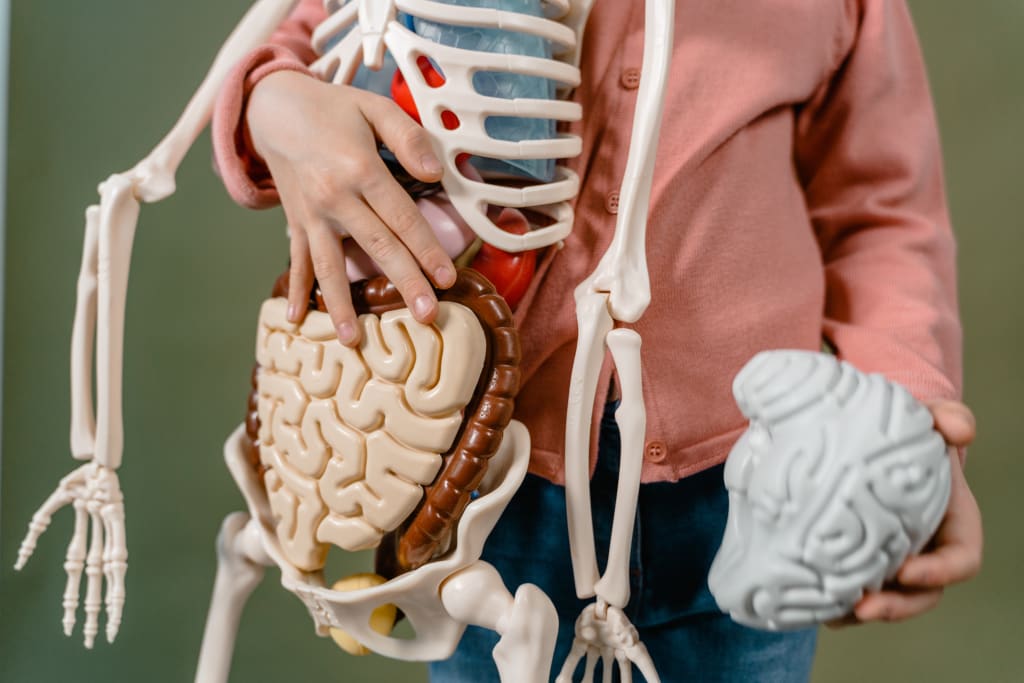
10 Amazing facts about Human body
1. The adult human body is made up of approximately 100 trillion cells.
Despite the fact that there are so many cells in the human body, they all share certain characteristics. They are all surrounded by a cell membrane, which controls the flow of substances into and out of the cell. They all require energy to function, which is provided by the mitochondria. And they all have the ability to divide and replicate, which allows the body to grow and repair itself.
2. The human nose can detect over 1 trillion different scents, making it the most sensitive sense organ in the body.
Interestingly, our ability to detect different scents can be influenced by factors such as age, genetics, and environmental exposure. For example, some people may be born with a more sensitive sense of smell than others, while others may lose their sense of smell as they age or due to certain medical conditions. Despite its incredible sensitivity, the human sense of smell is often overlooked in favor of our other senses, such as vision and hearing. However, the sense of smell plays an important role in our daily lives, from the enjoyment of food and drink to the detection of danger and warning signs.
3. The brain processes information at a speed of approximately 120 meters per second, making it one of the fastest processing organs in the body.
The human brain is an incredibly complex organ that is responsible for processing and interpreting vast amounts of information every second of every day. It is estimated that the brain is capable of processing information at a speed of approximately 120 meters per second, making it one of the fastest processing organs in the body.
This process, known as neural transmission, allows the brain to communicate information throughout the body and to process incoming sensory information. The brain also has the ability to modify the strength of the connections between neurons, which allows it to adapt and learn new information over time.
The brain is responsible for a wide range of functions, including perception, attention, memory, language, decision making, and emotion. Different parts of the brain are specialized for different functions, and these areas work together in a highly coordinated way to allow us to interact with the world around us.
Interestingly, the brain is also capable of rewiring itself in response to changes in the environment or to injury. This ability, known as neuroplasticity, allows the brain to compensate for damage and to recover from injuries such as stroke or traumatic brain injury.
Despite decades of research, much about the human brain remains a mystery, and scientists continue to explore its functions and capabilities in order to gain a deeper understanding of this remarkable organ.
4. The human eye can distinguish about 10 million different colors.
The human eye is a complex and intricate organ that is responsible for one of our most important senses: vision is a complex process that involves not only the eye, but also the brain. The brain receives electrical signals from the retina and processes this information in order to create a visual image. Interestingly, the brain is also capable of filling in gaps in our visual field and making assumptions about the world based on previous experience.
The eye is composed of several structures that work together to capture and focus light onto the retina, which is a layer of cells at the back of the eye that contains photoreceptor cells called rods and cones. These cells convert light into electrical signals, which are then transmitted to the brain via the optic nerve.
5. The human body has the ability to heal itself, such as when broken bones mend and cuts heal over time.
6. The human tongue is the only muscle in the body that is attached at only one end.
The tongue is a vital organ for our overall health and wellbeing, and it can be affected by a wide range of conditions and diseases, such as infections, inflammation, and cancer. Maintaining good oral hygiene and eating a balanced and healthy diet can help to keep the tongue and other parts of the mouth healthy and functioning properly.
7. The human skin is the largest organ of the body, and it weighs approximately 6 pounds in an average adult.
The human skin is the largest organ in the body and serves many important functions. It is a complex and dynamic organ that is composed of several layers of cells, tissues, and structures that work together to protect the body from external harm, regulate body temperature, and provide sensory information. Interestingly, the skin is also capable of synthesizing vitamin D when exposed to sunlight, which is important for bone health and overall immune function.
The skin can be affected by a wide range of conditions and diseases, such as acne, eczema, psoriasis, and skin cancer. Maintaining good skin health through proper hygiene, nutrition, and protection from the sun can help to prevent and manage these conditions and promote overall health and wellbeing.
8. The human heart pumps approximately 2,000 gallons of blood every day.
The human heart is a muscular organ that is responsible for pumping blood throughout the body. It is located in the chest cavity and is roughly the size of a fist. The heart is a vital organ that plays a critical role in maintaining the body's overall health and functioning.
The heart consists of four chambers: the right atrium, the left atrium, the right ventricle, and the left ventricle. The atria are the upper chambers of the heart and receive blood from the body and lungs, while the ventricles are the lower chambers of the heart and pump blood out to the body and lungs. In conclusion, the human heart is a remarkable organ that plays a vital role in maintaining the body's overall health and functioning. Understanding the structure and function of the heart can help us to appreciate the incredible complexity of the human body and the importance of taking care of our cardiovascular health.
9. The human skeleton is made up of 206 bones.
The human skeleton is an amazing and complex structure that provides support and protection for the body, allows for movement, maintains mineral balance, and produces blood cells. Understanding the structure and function of the skeleton can help us to appreciate the incredible complexity of the human body and the importance of taking care of our bone health.
10. The human body has the ability to store enough fat to provide energy for several weeks, making it an efficient fuel source in times of famine or other emergencies.
About the Creator
Ibrar Hussain
Meet Ibrar Hussain, a talented content writer, motivational writer, and wordsmith. I have always been passionate about writing and has developed a unique style that captivates readers and motivates them to take action.
Keep reading
More stories from Ibrar Hussain and writers in Education and other communities.
"The AI technology vs the endless skies of human mind"
Artificial Intelligence (AI) has made significant strides in recent years, with advancements in machine learning, natural language processing, and computer vision leading to the development of highly sophisticated AI systems. However, despite these impressive achievements, AI technology still falls short of the limitless potential of the human mind.
By Ibrar Hussain3 years ago in Education
The Digital Pulse Kenya Mobile Money Revolution and the Roadmap to 2026
Kenya has long been celebrated as the global "cradle" of mobile money. Since the launch of M-Pesa in 2007, the nation has skipped the traditional banking phase and leaped directly into a digital-first economy. However, as we move through 2026, the narrative is no longer just about "financial inclusion." It is about Financial Sophistication. Today, mobile money in Kenya is a mature, trillion-shilling ecosystem that has moved beyond peer-to-peer (P2P) transfers into the realms of decentralized finance (DeFi), AI-driven lending, and a structural shift in how physical cash is handled. In this deep dive, we explore how Kenya is redefining its digital pulse and what the future holds for the world's most successful mobile money market.
By Neeraj kumar4 days ago in Education



Comments
There are no comments for this story
Be the first to respond and start the conversation.