
"Teens vs. Junk Food: Can Laws Stop Social Media from Feeding Us Junk?"
“Exploring how state-level digital ad bans aim to curb teen obesity by breaking the algorithmic addiction to ultra-processed foods.”
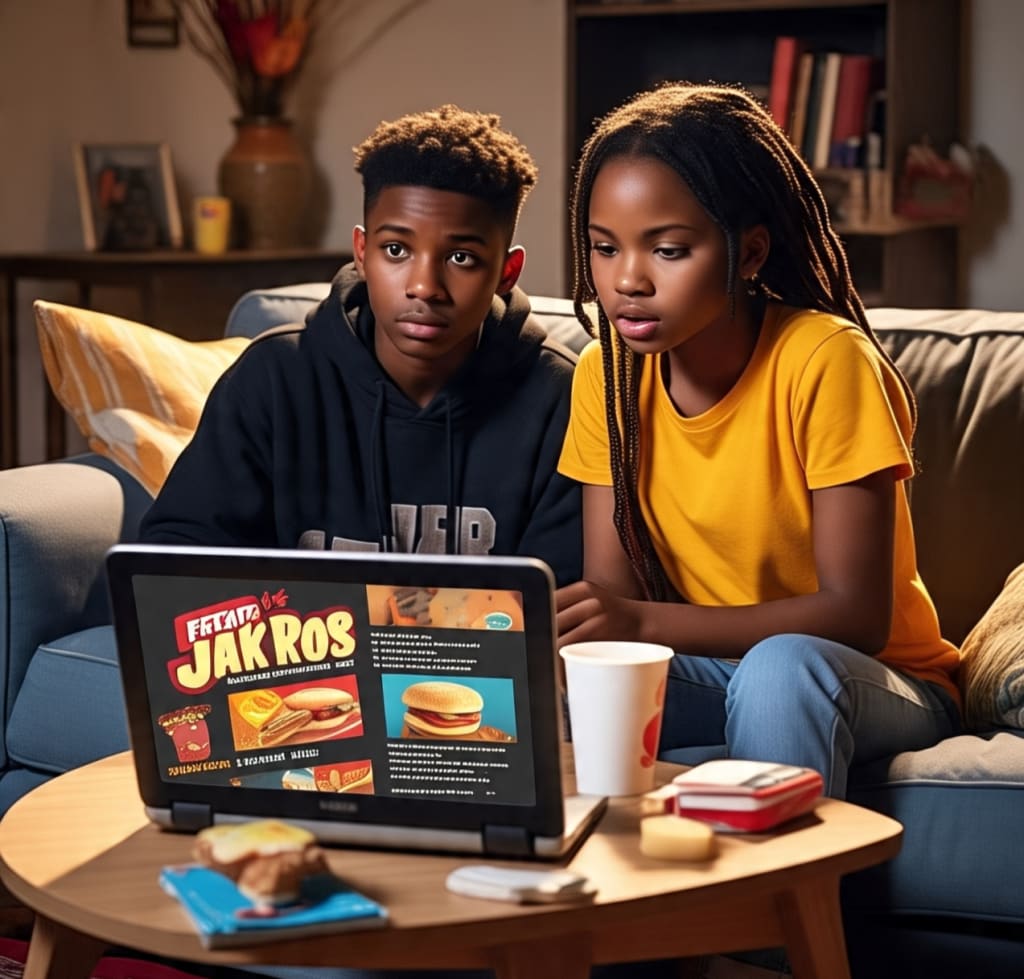
We all know how hard it is to resist a cheesy burger or crispy fries, especially when it's right in front of our eyes—on Instagram, TikTok, YouTube, and even Snapchat. Teenagers today are being bombarded with junk food ads everywhere they scroll. But what if the government said: “No more junk food ads for teens!” That’s exactly what a few U.S. states are trying to do.
Welcome to the new battleground for health: junk food ads on social media.
📱 Why Social Media Is the New Playground for Fast Food Companies
Let’s face it—teens are spending hours every day on their phones. And brands know that. That’s why big fast-food chains and snack companies are pumping out colorful, catchy, and tasty-looking ads across platforms. They use memes, influencers, challenges, and even songs to make their products look fun and irresistible.
And guess what? It works.
Studies show that when teenagers see more junk food ads, they are more likely to crave, buy, and eat those unhealthy snacks. These ads are carefully designed to grab attention, trigger hunger, and create habits. It's not just marketing—it's mind control with ketchup.
🚨 The Health Crisis: What’s the Real Problem?
Teen obesity is rising fast. In the U.S. alone, nearly 1 in 5 teens is considered obese. Obesity doesn’t just affect appearance—it increases the risk of diabetes, heart disease, mental health issues, and more. And one of the biggest causes? A diet full of ultra-processed, high-sugar, high-fat, and high-salt foods.
It’s not fair to expect teens to make healthy choices when they’re constantly being pushed toward the wrong ones. That’s where new laws come in.
⚖️ What Are These New Laws Doing?
States like Louisiana and Texas have taken a bold step. They’re passing laws to restrict or ban junk food ads targeted at teens on social media. Here’s what these laws aim to do:
Block ads for unhealthy foods during teen-focused content
Prevent companies from using teen influencers to promote junk food
Limit use of addictive tricks like autoplay, gamification, or misleading “healthy” labels
Monitor platforms to make sure the rules are followed
The goal is simple: protect young minds and bodies from getting hooked on unhealthy food through manipulation.
🧪 Are These Laws Actually Working?
The big question is: do they work?
Researchers are now studying the impact. They’re tracking:
Teen screen time and how often they see food ads
Changes in food choices and snack habits
Long-term effects on weight and health
Early signs are hopeful. In places where junk food ads are limited, kids and teens report fewer cravings and more awareness about healthy eating. But it’s still early days.
🌍 Has This Been Tried Before?
Yes—and it worked! Remember how cigarette ads used to be cool and everywhere? Once governments banned tobacco ads—especially those aimed at young people—smoking rates dropped. The same thing could happen with junk food.
In the UK and parts of Europe, similar laws are being discussed or tested. The world is watching the U.S. states closely to see if this could be a global solution.
👨👩👧 What Can Parents and Teens Do in the Meantime?
While the laws are being tested and improved, families can also take steps at home:
Talk about food ads. Help teens understand how marketing works.
Encourage healthy swaps. Teach simple, tasty recipes that are fun to make.
Limit screen time or use ad blockers when possible.
Be a role model. Show your kids that healthy food can be exciting too.
🧠 Final Thoughts: It's More Than Just Food
This isn’t just about burgers and fries. It’s about giving young people the power to choose—without being tricked by sneaky ads every time they pick up their phone. It’s about teaching the next generation to think critically, eat wisely, and stay healthy in a world full of temptation.
So next time you see a flashy burger ad pop up in your feed, remember—it’s not just a snack. It’s a strategy. And now, laws are fighting back.
🍟 Want to help? Support healthy food campaigns, share this article, and start the conversation at home. Healthier choices start with awareness—and every scroll matters.
About the Creator
Keep reading
More stories from Salman Ahmad and writers in Education and other communities.
The Clockmaker’s Secret
Prague, 1874 In the mist-soaked alleys of the Old Town, where gas lamps flickered like forgotten stars, there lived an old man known only as Master Horak—the finest clockmaker in all of Bohemia. His shop sat tucked between a crumbling bookbindery and a bakery that always smelled of burnt rye. People came from as far as Vienna and Budapest just to touch his timepieces—delicate contraptions of brass and mahogany, etched with strange runes that whispered secrets in the silence.
By Salman Ahmad7 months ago in Fiction
Leading Beyond Limits: The Role of Executive Leadership in Achieving Organizational Excellence
In today’s dynamic and competitive business landscape, organizations are constantly pursuing not just growth but excellence. While growth reflects success in the marketplace, true organizational excellence is measured by sustainability, innovation, culture, and impact. At the core of this transformation is executive leadership—a force that guides businesses beyond short-term wins toward long-term significance.
By Yeasha Sobhan5 days ago in Education
How Business Coaching Helps Founders Scale With Clarity and Control
Business coaching assists founders to scale since hustle and reactivity are substituted with structure, systems and strategic leadership. Strategic coaching provides clarity in the marketing, operations, leadership, and decision-making roles of the business, eliminating the need to use the owner as the bottleneck, instead enabling the business to expand without havoc, burnout, or firefighting.
By Alice Adams2 days ago in Education
A Dart at Dusk
Seconds ago, the sullen sun set on the two of us… my exuberant furry companion and me. A fresh breeze embraces us, delivering welcome relief from the day’s oppressive heat. His typical stumbling and staggering along — apace with a sloth — has turned into trip-trapping, high-stepping, almost skipping along.
By Angie the Archivist 📚🪶4 days ago in Petlife




Comments (1)
3min read