
Technical vs. Soft Skills: What Matters More in U.S. Oil and Gas Hiring?
Technical proficiency is often assessed through certifications, hands-on experience, and industry-specific training programs.
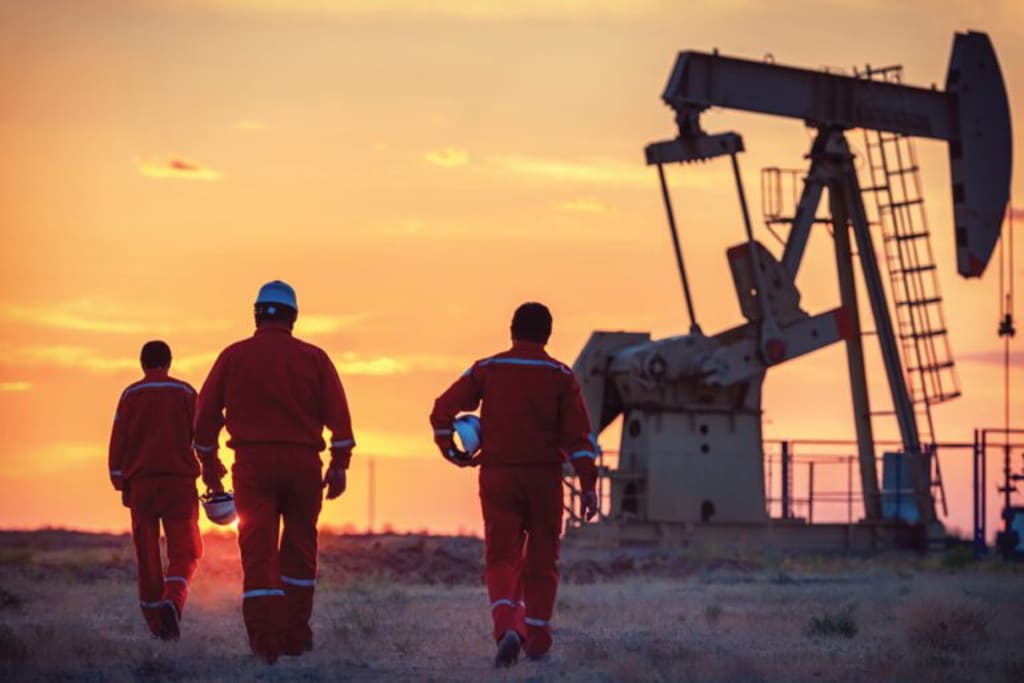
Hiring in the U.S. oil and gas industry requires a careful balance of technical expertise and soft skills. While technical proficiency is essential for operational efficiency and safety, soft skills play a critical role in teamwork, adaptability, and long-term success. The industry’s evolving nature, with increased automation and regulatory requirements, has made this balance even more crucial.
The Role of Technical Skills in Oil and Gas Jobs
Technical skills form the foundation of oil and gas operations. Workers must be proficient in specialized tasks, whether they are drilling engineers, pipeline technicians, or refinery operators. These skills are often acquired through formal education, certifications, and on-the-job training.
Key technical skills required in oil and gas hiring include:
- Drilling and Production Operations: Knowledge of drilling techniques, well control, and production equipment.
- Health, Safety, and Environment (HSE) Compliance: Understanding of safety protocols, environmental regulations, and emergency response procedures.
- Mechanical and Electrical Knowledge: Ability to operate and maintain heavy machinery, troubleshoot electrical systems, and work with automation tools.
- Data Analysis and Digital Proficiency: Increasing reliance on digital technologies requires workers to interpret data, use specialized software, and integrate automation tools into daily operations.
- Project Management and Engineering Expertise: Roles in engineering and management demand strong technical problem-solving and project execution capabilities.
Technical proficiency is often assessed through certifications (e.g., OSHA, API, IADC), hands-on experience, and industry-specific training programs. A worker’s ability to meet safety and compliance standards is non-negotiable, particularly for offshore roles and hazardous environments.
The Growing Importance of Soft Skills
While technical skills ensure job-specific competence, soft skills contribute to workplace effectiveness and adaptability. Oil and gas jobs often involve high-pressure situations, requiring strong collaboration, problem-solving, and leadership.
Key soft skills in demand include:
- Communication and Teamwork: Effective communication is essential for safety protocols, coordination between departments, and managing remote or offshore teams.
- Adaptability and Resilience: The industry is subject to fluctuating market conditions, requiring employees who can adjust to changes in operations, regulations, and technology.
- Leadership and Decision-Making: Supervisors and team leads must make informed decisions quickly, often in high-risk environments.
- Problem-Solving and Critical Thinking: Workers must analyze complex situations and respond with practical solutions, especially in drilling, maintenance, and safety incidents.
- Cultural and Environmental Awareness: Given the global nature of oil and gas operations, understanding diverse work cultures and environmental responsibilities is increasingly important.
Finding the Right Balance
The importance of technical versus soft skills varies by role.
- For field and operations roles, technical skills take priority, as workers need hands-on expertise in drilling, machinery operation, and compliance.
- For leadership and administrative roles, soft skills become more critical, ensuring effective project management, regulatory compliance, and workforce coordination.
- In technology-driven roles, such as data analysis and automation, both skill sets are equally important, as employees must navigate digital systems while collaborating with cross-functional teams.
Industry Trends Shaping Skill Requirements
The oil and gas industry is undergoing a transformation due to automation, sustainability efforts, and workforce shifts. As a result:
Digital literacy is becoming a key technical skill. More companies are integrating AI, IoT, and predictive maintenance tools into operations.
Safety awareness is blending technical and soft skills. Employees must not only understand safety protocols but also communicate them effectively.
Remote collaboration is increasing. With more digital tools in place, teams work across geographies, making teamwork and virtual communication essential.
Conclusion
In the U.S. oil and gas industry, both technical and soft skills play crucial roles in hiring decisions. While technical skills ensure job competency and safety, soft skills drive efficiency, adaptability, and long-term success. Companies must evaluate candidates holistically, ensuring they possess the right mix of expertise and interpersonal abilities to thrive in an evolving industry.
About the Creator
Keep reading
More stories from Yash Chaudhari and writers in Education and other communities.
The Role of AI in Restaurant Hiring: Smarter Recruiting for Faster Service
The restaurant industry faces unique challenges in hiring, including high turnover rates, fluctuating demand, and the need for quick recruitment. With increasing customer expectations and labor shortages, restaurants must optimize their hiring processes to remain competitive. Artificial Intelligence (AI) is transforming how restaurants recruit, making the process more efficient, data-driven, and responsive to industry needs.
By Yash Chaudhari11 months ago in Education
The Comfort of Arrival: Why Certain Destinations Instantly Feel Familiar
There are moments in travel that defy logic. You arrive in a place you have never visited before, step onto its streets, breathe in its air, and suddenly feel at ease. There is no adjustment period, no sense of being out of place. Instead, there is a quiet recognition, as if the destination has been waiting for you. This feeling of instant belonging is not accidental, nor is it purely romantic imagination. It is the result of emotional, cultural, psychological, and environmental factors working together to create a sense of home far from home.
By Producer James Simon6 days ago in Education
The Proven Natural Skincare Secret with Healthy Skin
Healthy skin does not come from harsh products or complicated routines. It comes from working with nature, not against it. The natural skincare secret that many people overlook is the power of raw honey as a daily skin ally. This simple ingredient has been used for generations, yet many still do not understand its effectiveness. When used correctly, raw honey can change how your skin looks and feels.
By Kelln Small6 days ago in Education



Comments
There are no comments for this story
Be the first to respond and start the conversation.