
Tech in Education: Transforming Learning in the Age of Technology
Tech in Education

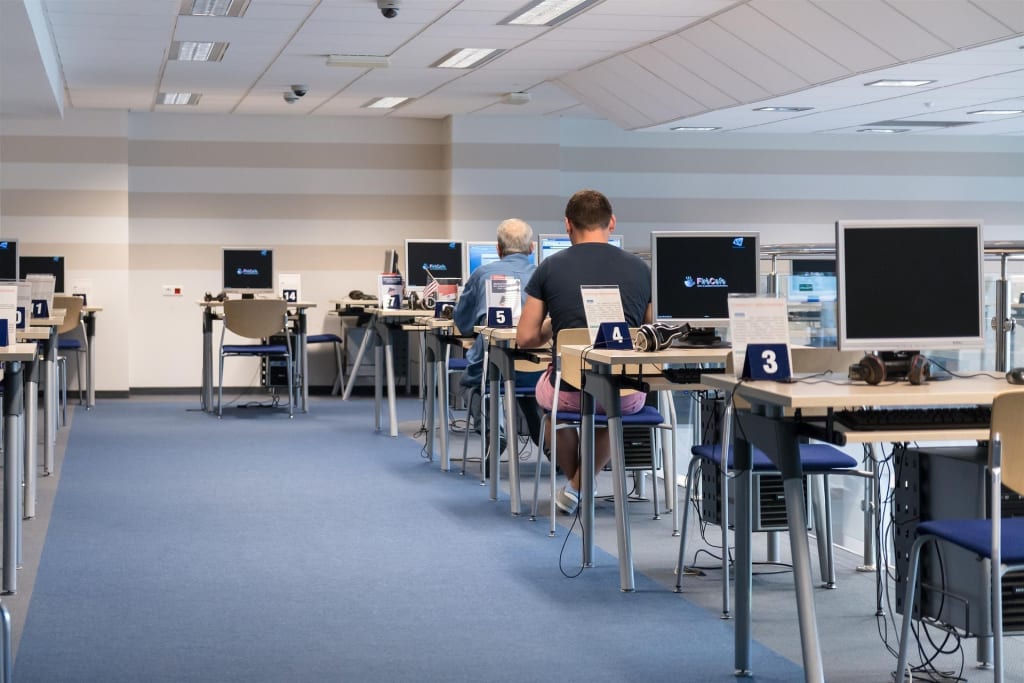
Technology has changed almost every aspect of modern life, and education is no exception. Application of technology in education, popularly known as EdTech, has entirely revolutionized the way students learn, teachers teach, and educational institutions operate. Ranging from intelligent classrooms and online courses to AI-powered tutoring tools and interactive apps, the landscape of education is changing at a mind-boggling pace. With chances and difficulties both emerging, it is essential to realize how technology is reshaping the future of learning.
The Rise of Virtual Classrooms:
One of the most significant advances of technology in education is replacing physical classrooms with virtual classrooms. Interactive whiteboards, tablets, and virtual learning environments have replaced chalkboards and paper textbooks. Learning Management Systems like Google Classroom, Moodle, and Canvas have allowed teachers to distribute materials, track student progress, and provide instant feedback. This has made education more engaging, accessible, and personalized.
The COVID-19 pandemic further hastened this shift, compelling schools and universities globally to embrace online learning. Tools such as Zoom, Microsoft Teams, and Google Meet became means of necessity for ongoing education amidst lockdowns. Consequently, several institutions have embraced hybrid models that blend online and in-class learning even after reverting to classroom learning.
Personalized Learning and Artificial Intelligence:
One of the most significant offerings of edtech is the development of personalized learning. Artificial Intelligence (AI) enables adaptive learning software to analyze student performance and tailor content to individual needs. AI-driven programs like Khan Academy and Coursera use AI to recommend lessons based on a student's pace and understanding. Such software can provide tailored support where a student is struggling and thereby optimize learning outcomes.
Apart from this, AI-based chatbots and virtual teaching assistants can explain concepts, respond to queries, and support students outside class hours. This 24/7 assistance makes learning flexible and student-centric.
Gamification and Student Engagement:
Gamification—the application of game design in contexts outside of games—is now a sought-after means for encouraging student motivation. Learning apps and games like Duolingo (to learn languages) and Kahoot! (to quiz) are enjoyable and interactive modes of learning. Gamified platforms offer rewards, progress tracking, and competitive peer environments, which can motivate students and enhance memory retention.
Virtual Reality (VR) and Augmented Reality (AR) are also being used to provide immersive learning experiences. Students can travel to ancient sites, conduct science experiments, or practice surgery in a virtual, risk-free environment, making education more experiential and enriching it.
Closing Gaps in Access and Inclusion:
Technology can bridge enormous gaps in access to education. There are websites for learning and OER that allow students from remote or disadvantaged regions to learn from high-quality materials. There are also mobile learning applications that make sure students without access to computers are able to learn using smartphones.
Support technologies such as a screen reader for blind or disabled student speech-to-text software support equality and identical chances of learning for all. With more and more content coming into digital, the issue of accessing it all for all the learners is rising significantly in EdTech.
Concerns and Issues:
Although there are many benefits, there are also challenges with technology in learning. One of these problems is the digital divide—not everyone has an equal opportunity to access high-speed internet or modern technology, which results in unequal opportunities to learn. This divide is more serious in poorer nations and rural areas.
Data security and privacy are equally significant concerns. With more interaction with digital mediums by students, a large database of information is gathered. That this data must be secured against misuse is a serious concern that rests on educational institutions as well as technology suppliers.
Also present is the possibility of too much reliance on technology. While technology tools are helpful, they can never replace the human touch and guidance that teachers provide. Achieving the right balance between traditional teaching methods and technology tools is essential in effective learning.
The Future of EdTech:
The future of education is likely to be more tech-focused. AI, blockchain degrees, virtual campuses, and even metaverse classrooms are gaining traction. But technology must be an enabler—and not a replacement—for quality, inclusive, and purposeful education.
As educators and policymakers continue to experiment and refine the use of technology in classrooms, the ultimate aim is ever the same: to equip students with the information and skills necessary to thrive in an ever-changing world.
About the Creator
Keep reading
More stories from Amit Gomes and writers in Education and other communities.
Gender Disparities in Economics Education in the UK
Despite much progress toward parity of education over the last several decades, gender disparities still persist in most fields of study across the United Kingdom. One such field where this disparity still persists most strongly is economics education. While interest and enrollment in the subject have grown immensely, particularly at the A-level, the proportion of female students remains disproportionately low. Understanding the reasons behind this imbalance, its impact, and the efforts to rectify it is significant in developing a more representative and inclusive economic landscape.
By Amit Gomes9 months ago in Education
How Global Experiences Shape Smarter, More Creative Leaders
Leadership today demands more than experience and technical skill. It requires imagination, empathy, and the ability to see problems from new angles. One of the most potent ways leaders develop these qualities is through travel. When leaders step outside familiar routines, they gain insight that books and meetings cannot offer. Exposure to new cultures, environments, and ways of thinking shows clearly how creative leadership through travel can unlock ideas that change how leaders think, decide, and inspire others.
By Nathalie Kyriakou4 days ago in Education
Can You Really Earn Money With Transcription? The Real Income Reality
The short answer is yes—you can earn money with transcription. But the more honest, useful answer is this: transcription only becomes worthwhile when you understand how the income actually works, not how it’s often presented online.
By Mahesh Kumar4 days ago in Education
Ludacris and Nelly draw backlash over bookings at MAGA-coded music festival
Ludacris and Nelly headlining a mostly right-wing event is good for them. It’s also great for the genre of hip hop. The two rap veterans have showcased their talents on other stages. Why can’t they perform for mostly MAGA folks and grab that bag?
By Skyler Saunders4 days ago in Beat



Comments
There are no comments for this story
Be the first to respond and start the conversation.