
Teaching Microbiology Beyond the Textbook: Real-World Lessons from Waterborne Pathogens
From Lab Research to Learning: Making Microbiology Relevant

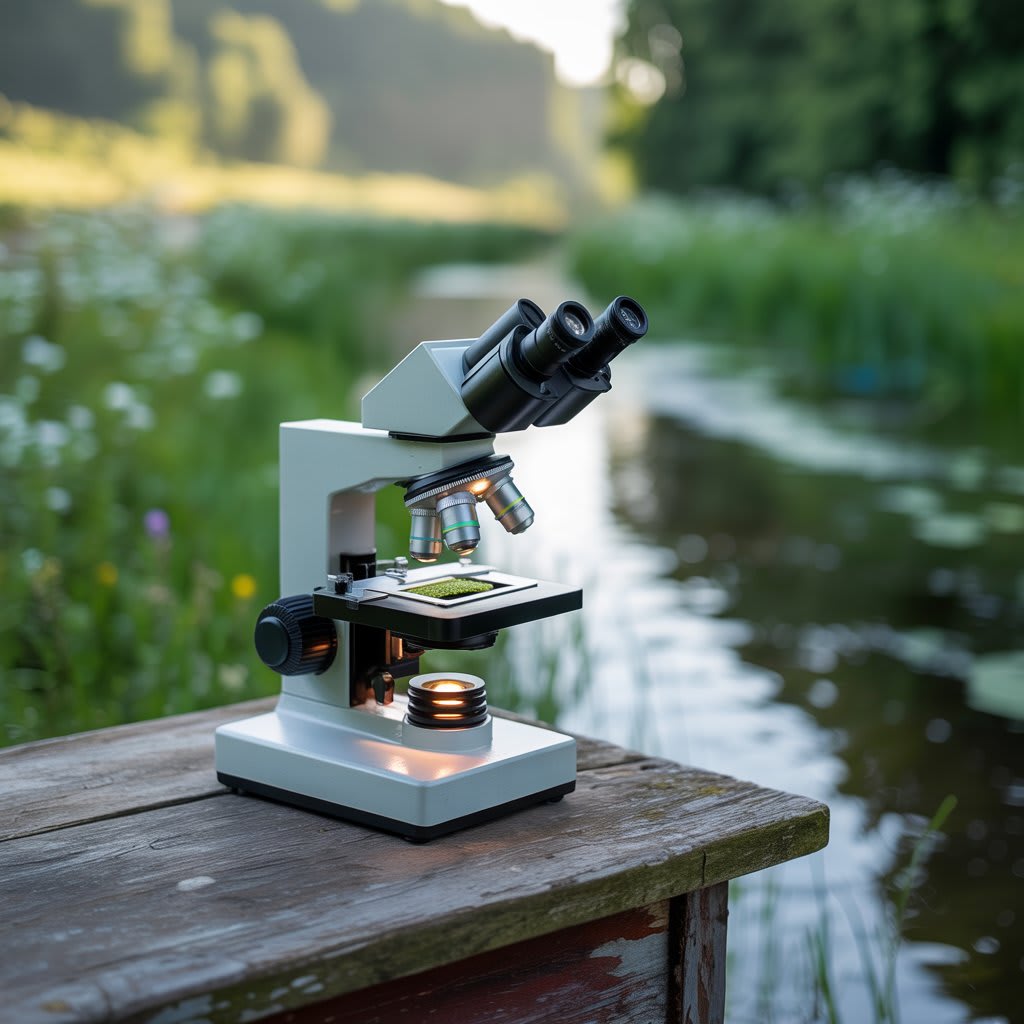
In today’s classrooms, microbiology is often taught through diagrams of cells, textbook definitions, and lists of microbial species. While foundational knowledge is important, it rarely captures the urgency, complexity, or real-world relevance of microorganisms—especially the harmful ones lurking in our environment. To truly inspire and educate students, we need to bring microbiology out of the pages of textbooks and into the realities that affect human health and ecosystems every day.
As a graduate student specializing in Biology Education and a researcher focusing on waterborne pathogens, I have witnessed firsthand how bridging this gap can transform the learning experience. The microscopic world is not merely a laboratory curiosity; it is a vital part of the environment with profound consequences for public health, environmental sustainability, and community wellbeing. When students engage with these real-world challenges, they do not just memorize facts—they understand why microbiology matters.
Waterborne pathogens such as Escherichia coli, Salmonella spp., and Vibrio cholerae are responsible for millions of infections worldwide annually, disproportionately affecting vulnerable communities with limited access to clean water and sanitation. These microorganisms are not abstract concepts but agents of disease that have real impacts on families and entire populations. In my research conducted in Sleman Regency, Yogyakarta, Indonesia, I analyzed water samples collected from rivers and public water sources every two months to detect the presence of these pathogens and assess seasonal variations.
The data revealed clear correlations between contamination levels and environmental factors like rainfall and temperature. For example, higher rainfall often leads to increased runoff, carrying fecal contaminants into water bodies, which in turn elevates pathogen levels. This seasonal dynamic, while well-documented scientifically, is difficult to communicate effectively through static textbooks alone. Bringing these findings into the classroom allows students to see microbiology as a living science that responds to environmental changes, making learning more dynamic and relevant.
Integrating this kind of research into teaching has several profound benefits. First, it makes microbiology tangible. Instead of memorizing bacterial names and characteristics, students can investigate how E. coli contamination spikes after floods or why cholera outbreaks occur in certain seasons. These real-world stories provide context and relevance, which help students retain information and stimulate curiosity.
Moreover, this approach encourages critical thinking and data literacy. Students learn to analyze environmental data—such as water pH, temperature, and turbidity—and consider how these factors influence microbial survival and growth. This practice fosters scientific reasoning, problem-solving skills, and an appreciation of the complexity of microbial ecosystems, all crucial competencies in science education.
Beyond academic benefits, there is a vital public health message embedded in this approach. When students understand the health risks posed by contaminated water, they begin to see microbiology not only as a science but also as a tool for social good. This awareness can motivate them to become advocates for clean water initiatives, environmental protection, and disease prevention in their communities.
To illustrate, I developed a classroom activity inspired by my research experience. Students are provided with simulated data from different water sources collected over various seasons. Their task is to analyze the data, identify contamination patterns, and propose feasible interventions to reduce health risks. This activity not only integrates multiple scientific disciplines but also cultivates civic responsibility, showing students that science has a direct impact on society.
Ultimately, science education should do more than transfer knowledge—it should inspire students to think critically, act responsibly, and care deeply about the world around them. By bringing real-world microbiological issues into the classroom, we empower students to become informed citizens and future problem solvers.
In my journey as a biology educator and researcher, I have found that teaching microbiology beyond the textbook is one of the most effective ways to achieve these goals. It transforms the subject from a set of isolated facts into a meaningful, impactful field of study. For educators looking to enrich their curriculum, incorporating field research and current environmental challenges can be a game-changer, creating a generation of learners who truly understand the invisible but vital microbial world shaping our lives.
About the Creator
Echoes of the Soul
Philosopher at heart. Traveler by choice. I write about life’s big questions, the wisdom of cultures, and the soul’s journey. Inspired by Islamic teachings and the world around me
Keep reading
More stories from Echoes of the Soul and writers in Education and other communities.
The Song That Was Never Written
Elias had not touched his piano in three years. The keys sat beneath a thin layer of dust, the wood dull from neglect. It was strange — how something that once spoke louder than his own heartbeat could now sit silent, as if mourning him instead.
By Echoes of the Soul2 months ago in Psyche
Top 7 Life Changing Books to Read in 2026
In 2026, readers are not just looking for entertainment—they want books that change the way they think, feel, and see the world. With endless content available online, only a few books continue to stand out, remain widely read, and influence conversations across generations. These are the books people keep recommending, searching for, and returning to year after year.
By Waqar Khan5 days ago in Education



Comments
There are no comments for this story
Be the first to respond and start the conversation.