
Teaching Art
The Most Top 7 effective ways in teaching Arts.
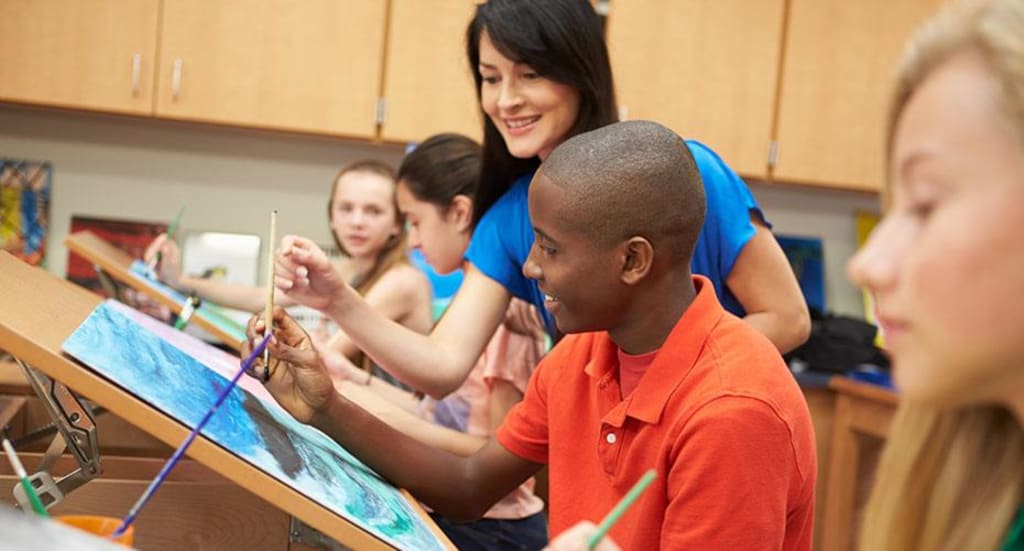
Art is an important part of the curriculum in many schools around the world. As a teacher, teaching art can be a rewarding and enriching experience for both you and your students. However, it can also be a challenge to engage students and help them develop their artistic skills. Here are some strategies and tips for creative educators to help teach art effectively.
Provide a variety of materials
To help students explore their creativity and develop their skills, it is important to provide a variety of materials for them to work with. This includes everything from paint and pencils to clay and fabric. Giving students access to a wide range of materials encourages them to experiment and discover new techniques.
Demonstrate techniques
As an art teacher, it is important to demonstrate various techniques to help your students learn and develop their skills. This can be done through live demonstrations or through pre-recorded videos that students can watch at their own pace. Be sure to break down the steps of each technique and provide examples of finished work to help students understand the process.
Get the Ultimate Top ways in teaching Arts
Art is all about experimentation and exploring new ideas. Encourage your students to try new things and take risks with their art. This can help them develop their creative thinking skills and learn to think outside the box.
Provide constructive feedback
Giving constructive feedback is an important part of helping students grow and develop their artistic skills. Be sure to praise their strengths and provide specific feedback on areas that need improvement. This can help students understand where they can improve and how to take their skills to the next level.
Emphasize the creative process
Art is not just about the finished product, it is also about the creative process. Encourage your students to document their creative process through sketches and notes. This can help them reflect on their work and gain a deeper understanding of their artistic journey.
Integrate art history
Art history can be a great way to help students gain a deeper understanding of the artistic techniques and movements that have shaped the art world. Integrate art history lessons into your curriculum and provide examples of famous works of art to inspire your students.
Integrating art history into art education can be a great way to help students understand and appreciate the rich cultural heritage of the visual arts. Here are some ways to integrate art history into art education:
Art History Survey: An introductory survey course of art history can be included in the curriculum, which provides students with an overview of major art movements and artists throughout history.
Art Critiques: Students can be taught to analyze and interpret artwork using art historical principles and techniques. This involves examining the context in which the artwork was created, understanding the symbolism and meaning behind the artwork, and analyzing its stylistic elements.
Artist Study: Students can study the works of individual artists in depth, including their biography, artistic style, and historical context. This helps students understand how artists have contributed to the development of the visual arts over time.
Museum Visits: Teachers can organize field trips to museums and galleries, where students can see firsthand the works of art they have studied in class. This allows students to make connections between the artworks and their historical and cultural contexts.
Collaborative Projects: Students can work together on collaborative art projects that draw inspiration from historical art movements or artists. This helps students develop a deeper understanding of the historical context of art and the creative process.
By integrating art history into art education, students can gain a greater appreciation of the role of art in human culture and history, develop their critical thinking skills, and enhance their creativity.Collaborate with other teachers
Art can be integrated into other subjects, such as history or science. Collaborate with other teachers to create cross-curricular projects that incorporate art into their curriculum. This can help students see the connections between different subjects and develop a deeper understanding of the world around them.
Teaching art can be a rewarding and enriching experience for both you and your students. By providing a variety of materials, demonstrating techniques, encouraging experimentation, providing constructive feedback, emphasizing the creative process, integrating art history, and collaborating with other teachers, you can help your students develop their artistic skills and gain a deeper appreciation for the world of art.
About the Creator
Keep reading
More stories from Lionel Loh and writers in Education and other communities.
Creating a Calm and Confident Path Toward Retirement
Retirement planning often feels intimidating, especially when people imagine complex calculations and uncertain outcomes. However, when you approach the process with clarity and patience, it becomes far more manageable. Instead of focusing on stress, thoughtful planning helps you feel confident about the future you are building.
By Michael Petruska5 days ago in Education




Comments
There are no comments for this story
Be the first to respond and start the conversation.