
Sustainable Protein Sources
The Best Sustainable Protein Sources (That Aren’t Meat)

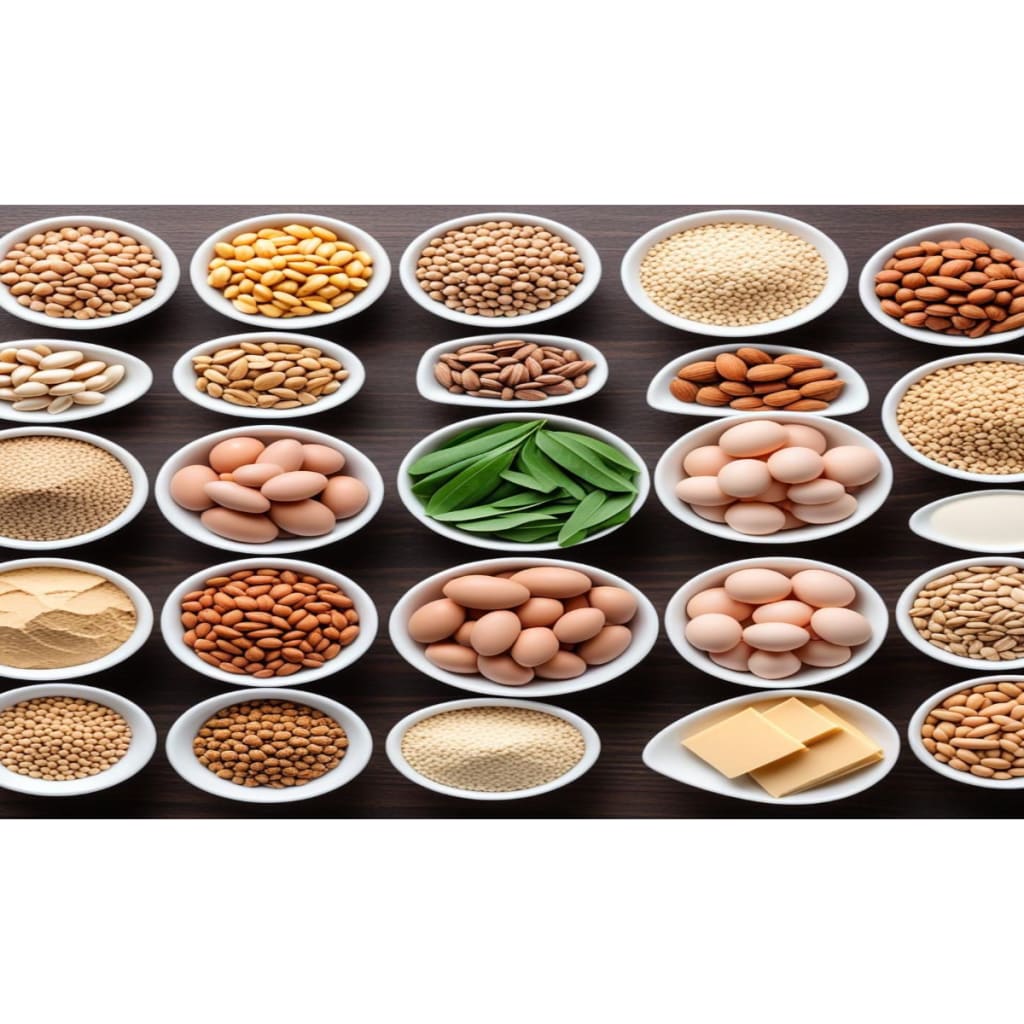
In a world increasingly focused on sustainability and health, finding protein sources that align with eco-friendly values and dietary goals is paramount. While meat has traditionally dominated the protein conversation, its environmental footprint and ethical concerns have many of us seeking alternatives. Luckily, the plant and alternative protein world is brimming with options that are not only sustainable but also packed with flavor and nutrition. Let’s dive into some of the best sustainable protein sources that aren’t meat—and why they’re worth adding to your plate.
1. Lentils: Tiny Powerhouses of Nutrition
Lentils are a staple in many diets worldwide and for good reason. These tiny legumes pack an impressive 18 grams of protein per cooked cup and are loaded with fiber, iron, and folate. What makes lentils stand out as a sustainable choice is their low water footprint and ability to enrich soil health by fixing nitrogen.
Beyond their eco-credentials, lentils are incredibly versatile. Use them in hearty soups, spicy curries, or even as a base for protein-packed veggie burgers. Bonus? They’re affordable and accessible to almost everyone.
2. Chickpeas: The Hummus Hero
Chickpeas, also known as garbanzo beans, are a nutrient-dense legume offering about 15 grams of protein per cooked cup. They’re a low-impact crop that thrives in arid regions, making them a sustainable superstar.
Chickpeas shine in dishes like creamy hummus, crunchy roasted snacks, or rich stews. For a creative twist, try aquafaba—the liquid from canned chickpeas—as a plant-based egg substitute in baking.
3. Quinoa: The Complete Protein Grain
Quinoa is often hailed as a superfood for its complete amino acid profile, delivering about 8 grams of protein per cooked cup. This pseudocereal—technically a seed—grows in diverse climates and requires minimal resources, making it a sustainable choice.
Its nutty flavor and fluffy texture make quinoa a perfect base for salads, grain bowls, and even breakfast porridge. And with its high nutrient density, it’s a win-win for your body and the planet.
4. Edamame and Tofu: The Soy Superstars
Soy-based proteins like edamame and tofu are long-time favorites in plant-based eating. Edamame provides around 17 grams of protein per cooked cup, while tofu varies depending on its firmness, with extra-firm tofu offering up to 20 grams per serving.
Soy crops can be highly efficient, though choosing organic or non-GMO options supports more sustainable farming practices. Tofu is endlessly adaptable: stir-fry it, scramble it, or bake it to crispy perfection. Meanwhile, steamed edamame makes for a protein-rich snack or appetizer.
5. Hemp Seeds: The Nutritional Powerhouse
Don’t underestimate these tiny seeds. Hemp seeds offer 10 grams of protein per three-tablespoon serving and are rich in omega-3 fatty acids, magnesium, and iron. Growing hemp is environmentally friendly, requiring minimal pesticides and water.
Sprinkle hemp seeds on smoothie bowls, salads, or oatmeal for a nutty flavor boost. You can also blend them into creamy plant-based milk or use hemp protein powder in your post-workout shakes.
6. Mycoprotein: The Mushroom-Based Marvel
Mycoprotein, derived from fungi, is the star ingredient in meat substitutes like Quorn. It’s high in protein—delivering about 13 grams per 100-gram serving—and boasts a texture strikingly similar to meat, making it an excellent option for transitioning omnivores.
The production process for mycoprotein has a significantly smaller carbon footprint compared to livestock farming. Try mycoprotein-based nuggets, patties, or mince in your favorite recipes for a sustainable swap.
7. Spirulina: The Superfood from the Sea
Spirulina, a blue-green algae, might just be the most sustainable protein on the planet. It contains about 8 grams of protein per two tablespoons, along with a host of vitamins, minerals, and antioxidants.
With its minimal land and water requirements, spirulina production is a model of eco-efficiency. Add it to smoothies or energy bars, but be mindful of its intense flavor—a little goes a long way!
8. Pea Protein: The Plant-Based Favorite
Pea protein, extracted from yellow peas, is a rising star in plant-based diets, especially in protein powders and meat substitutes. It’s hypoallergenic, easily digestible, and delivers about 20 grams of protein per serving.
Environmentally, peas are a great crop because they naturally fix nitrogen into the soil, reducing the need for synthetic fertilizers. Use pea protein powder in shakes or baked goods for a sustainable protein boost.
Why Opt for Sustainable Proteins?
Choosing sustainable protein sources isn’t just good for the planet—it’s good for you. Plant-based proteins tend to be lower in saturated fats and free of cholesterol while providing essential nutrients and fiber. By diversifying your protein sources, you’re also supporting biodiversity and more resilient food systems.
Making the Shift
Incorporating sustainable proteins into your diet doesn’t have to be daunting. Start by swapping meat for one of these alternatives in a few meals per week. Try a lentil Bolognese, tofu stir-fry, or a quinoa salad. Experiment with different textures and flavors to find your favorites.
With the planet’s health and your own at stake, there’s never been a better time to explore these sustainable protein sources. Whether you’re a seasoned plant-based eater or just dipping your toes into the world of meat-free meals, these options are a delicious step toward a healthier, more sustainable future. Start today, and let’s build a better world—one bite at a time!
About the Creator
Keep reading
More stories from Juliana Ndalnamu and writers in Education and other communities.
Flexitarian Diet for Sustainability
How to Transition to a Flexitarian Diet for Sustainability In a world increasingly aware of the environmental impacts of food choices, the flexitarian diet is emerging as a powerful solution. Combining flexibility with vegetarian principles, this dietary approach allows you to reduce your carbon footprint without giving up your favorite foods entirely. Whether you're a meat lover curious about plant-based eating or someone seeking sustainable living, transitioning to a flexitarian diet can be your gateway to a healthier planet and body.
By Juliana Ndalnamuabout a year ago in Education
How to Succeed at the Benson Directory®
Congratulations and welcome to the Benson Directory® employee #22391! As our newest call handler, you will have the privilege of speaking with dozens of unique and interesting people on a daily basis as well as the opportunity to earn bonuses for high performance. Contained within this handbook you will find a set of ease to follow instructions designed to help you settle in to your new role and begin paving the way to success.
By S. A. Crawford4 days ago in Fiction



Comments
There are no comments for this story
Be the first to respond and start the conversation.