
Survival Strategies in the Era of AI Taught by Stanford
Perspectives from Stanford AIRE Director

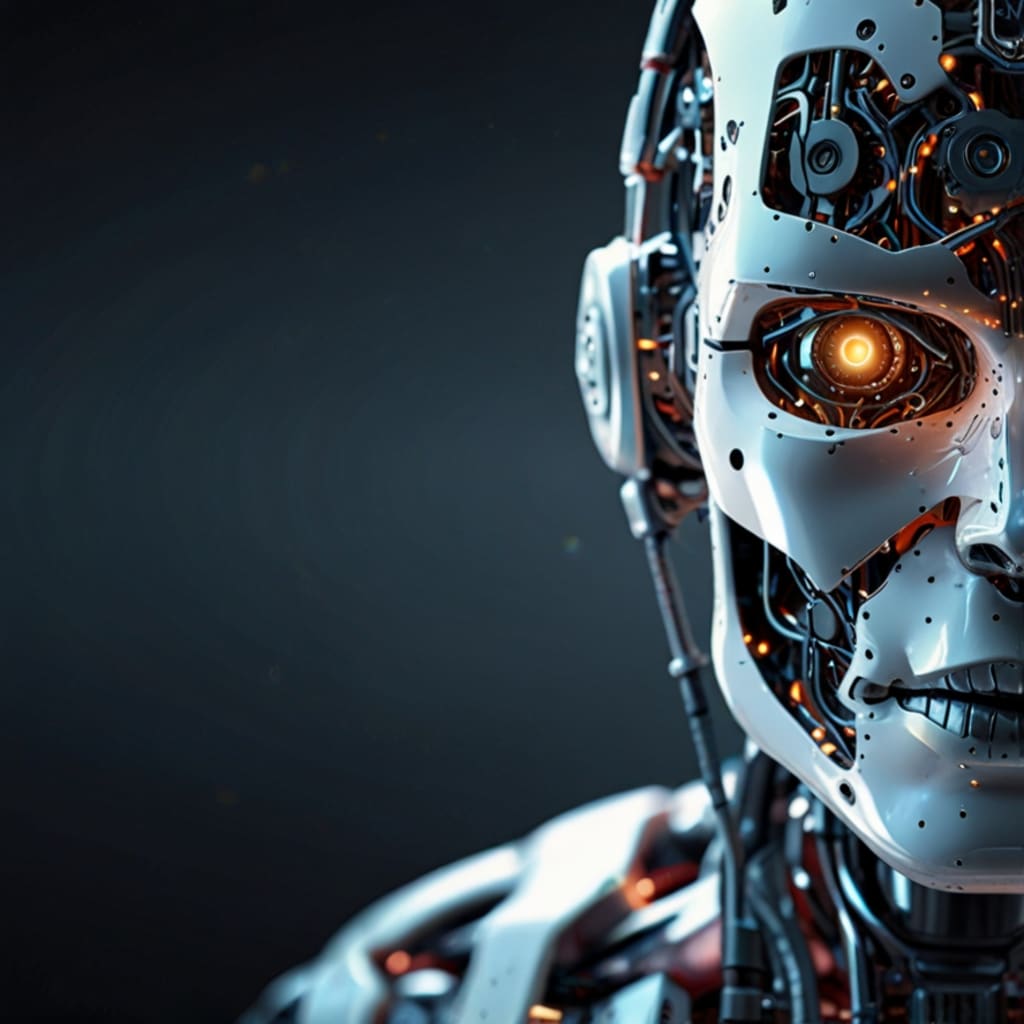
As automation and AI increasingly take over tasks that were once human-centric, the economics often favor delegating work to machines. For example, if a task can be performed by a human for $1,000, it is more cost-effective to have a robot complete it for around $200. This shift signals the inevitable disappearance of many traditional job opportunities in the coming years.
At the same time, the volume of information available to today's students far exceeds what was accessible in the past. Yet, our educational methods have remained largely unchanged. Upon reflection, it is clear we must strive to implement necessary changes to our teaching approaches to better prepare students for the AI-driven future.
As the esteemed director of Stanford's renowned AIRE project, Professor Li Jiang shared his profound insights on the era of artificial intelligence, eloquently conveying that this era has already begun. With unwavering passion and dedication, he delved into the pivotal mission of identifying the most effective ways to educate the next generation for a world dominated by AI and robotics.
Amidst prevalent apprehensions surrounding artificial intelligence, Professor Li Jiang ardently advocates embracing this powerful tool rather than avoiding it. He argues that harnessing AI is imperative for maintaining competitiveness in a rapidly evolving technological landscape that is shaping the future.
Looking ahead, Professor Jiang underscores the significance of instilling AI literacy from a young age. By cultivating this cognitive framework, individuals can discern the distinction between human ingenuity and AI capabilities. He emphasizes the paramount importance of nurturing creativity and originality in the presence of advanced technology.
He believes several key adjustments are necessary, one of which is implementing AI Thinking education as early as possible. Teaching AI Thinking will enable students to better understand the distinctions between human and artificial intelligence. The human element, particularly the innovative aspect of creating something from nothing, is crucial - and an area where his own capabilities fall short. Therefore, he emphasizes the imperative to focus on this human-centric aspect.
There are three crucial considerations regarding AI Thinking. First, it is essential to have a comprehensive understanding of how AI systems operate. Historically, AI relied on rules or algorithms programmed by humans. However, advancements like deep learning and reinforcement learning have produced data-driven AI that can analyze and optimize solutions based on available information. The more data accessible, the more refined the AI's outputs tend to be. Secondly, it is critical to discern the capabilities of humans versus AI, as this distinction may not be apparent to many.
The field of structural biology has captivated dedicated scientists who delve into the intricate architecture of proteins - the fundamental building blocks essential for all living organisms. With an estimated 100 to 200 million proteins in existence, researchers are fervently engaged in unraveling the mysteries of their structures. However, humans have discovered the structures of less than 1% of these proteins.
This landscape has been revolutionized by the emergence of AlphaFold, an AI developed by DeepMind. Over the past two years, AlphaFold has successfully predicted the structures of nearly all known proteins, making this invaluable data accessible through an online database. As we witness the remarkable capabilities of machines in this domain, it becomes clear that embracing AI can enhance our scientific endeavors, allowing us to focus on the more creative aspects of our work.
The transition from 0 to 1 - the process of innovation and creation - is where AI can truly shine, providing researchers with a wealth of information and insights to drive progress forward. This powerful tool has the potential to accelerate our understanding of the fundamental building blocks of life and open new frontiers in the scientific research area of structural biology.
It is essential that we equip future generations with the skills to harness the power of AI, fostering creativity and ingenuity. While the enigmatic nature of creativity may seem elusive, AI can unlock new realms of possibility and inspire a generation of innovators.
The Stanford d.school's Design Thinking methodology has the power to transform how we approach innovation. This structured process can teach individuals a systematic approach to creating impactful innovations. Though Design Thinking may not guarantee the same level of creative genius as visionaries like Steve Jobs or Elon Musk, it can elevate one's creativity and innovation abilities beyond their current capabilities. The Design Thinking process encompasses a series of iterative steps that can be followed to drive meaningful innovation.
To begin, the first step is Empathy - truly understanding the individuals you are designing for. Are you creating for elders or young students? Identifying the target users and diving deep into their emotions is crucial before proceeding.
The second step is Definition, where clearly defining the problem upfront is imperative. Many fail to pinpoint the correct issue initially, so this step is critical before moving forward.
The third step, Ideation, involves using brainstorming to generate numerous ideas. Next, gather user feedback to select the most promising concepts for prototyping.
The final step is Testing, where you evaluate the product with users and collect their feedback. Whether positive or negative, this input is essential to either redesign or reinvent the solution accordingly.
In the field of design, the concept of "all design is redesign" is well-established. If you realize that you have not accurately defined the problem, it is crucial to revisit the second step of the design process. Through this iterative approach, you can uncover remarkable innovations. However, true understanding often requires repeated exposure, whether through reading, lectures, or other means.
Professor Li Jiang illustrated this point with a story from a Stanford class. The project aimed to acquire quality incubators for Nepal. Initially, many suggested designing them in California. Yet, it became clear that empathy was essential - one must immerse themselves in the actual environment. By visiting Nepal and engaging with the locals, the students gained a different perspective. While medical centers had expensive incubators, they lacked the knowledge to operate them. The problem was misdefined. By returning to the villages and consulting with farmers, a solution emerged: affordable, home-based incubators. This shift in approach led to great success, showcasing the power of redefining problems. The initial problem was misdefined, but through the Design Thinking process, they were able to reframe the issue and ultimately solve the correct problem.
The rapid advancement of artificial intelligence and robotics has led to some truly remarkable developments, with ChatGPT being a prime example. This AI system's ability to engage in natural conversations and even generate code is nothing short of astonishing, showcasing an intelligence that surpasses that of many individuals. This technological leap is poised to revolutionize the education sector, as students can now leverage ChatGPT to assist with assignments and essays.
However, this also presents new challenges for educators, who must adapt to this transformative technology. Recognizing its potential impact, Professor Li Jiang has taken a proactive approach, recently assigning his students to write an essay using ChatGPT. By encouraging them to embrace this tool and share their experiences, he aims to collaborate with his students in exploring the implications of this AI advancement within the education system.
Rather than resisting the inevitable march of technological progress, Professor Jiang understands the futility of such an approach. He recognizes that, much like the flow of water, the advancement of AI and robotics is unavoidable. The wisest course of action is to actively engage with these developments, seeking to harness their transformative potential for the benefit of students and the education system as a whole.
Professor Li Jiang has been a devoted admirer of Autobots and Transformers since childhood. Even now, he remains a staunch supporter of Optimus Prime, a fascination that has fueled his lifelong desire to create remarkable robots. As an educator, he believes that most children have dreams when they are young, and it is easier to inspire and nurture those dreams in early childhood before people tend to lose interest as they grow older.
The ultimate objective for Professor Li Jiang is to determine the ideal education system for the future. He sees the educational aspect as crucially important, as it profoundly impacts the future of the next generation - which is his ultimate goal.
About the Creator
Soniz
The reserved individual yearns to express my thoughts and opinions through spoken words.
How To End a Relationship with Dignity
The ending of a relationship, or going through a breakup, is an undoubtedly agonizing experience. Regardless of whether the decision was mutual or one-sided, the aftermath is consistently painful. The ensuing emotional upheaval can be overwhelming, manifesting as despair, anger, sadness, and a sense of purposelessness. These natural reactions to the loss often leave one with a shattered heart and profound feelings of grief.
By Soniz2 years ago in Motivation
Why Mississippi Small Businesses Are Finally Taking Their Websites Seriously
For many years, having a website in Mississippi was more about appearance than performance. It was something businesses created simply so they could say they had an online presence. A basic page with a phone number, a short description, and maybe a photo was often considered enough.
By Jhones Benn3 days ago in Education



Comments
There are no comments for this story
Be the first to respond and start the conversation.