
Study: CT Scans May Contribute to 5% of U.S. Cancer Diagnoses
**Study Finds CT Scans Could Be Linked to Thousands of Cancer Cases Annually in the U.S.**
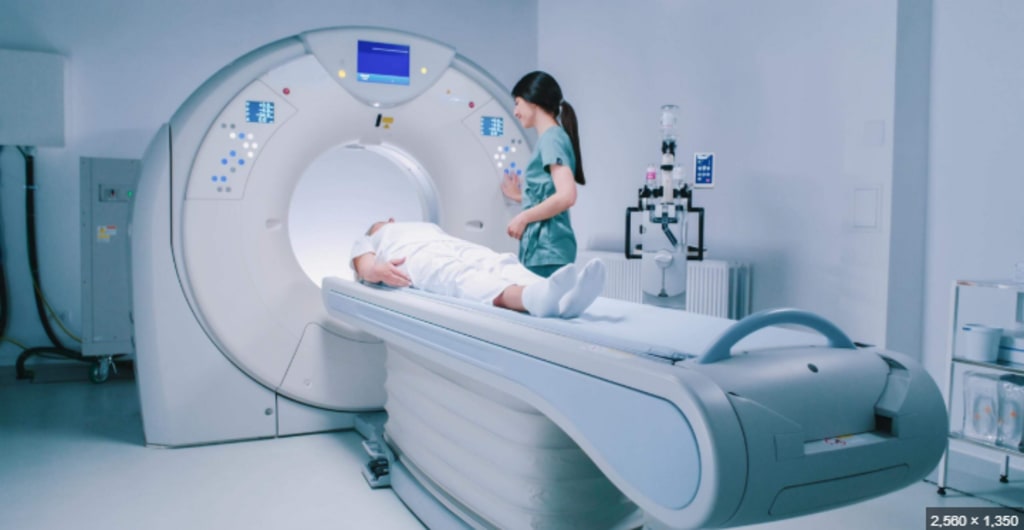
CT scans are a vital part of modern healthcare, helping doctors swiftly and accurately diagnose a wide range of conditions—from kidney stones and tumors to urgent, life-threatening issues like aneurysms and blood clots. But a new study is casting a spotlight on the potential risks of this common imaging method, suggesting that CT scan-related radiation exposure may be responsible for as many as 5% of all cancer cases in the U.S. each year.
The study, published in JAMA Internal Medicine, estimates that radiation from CT scans may have led to around 103,000 new cancer cases in the U.S. in 2023 alone.
That figure is based on data collected from hospitals in 20 states and reflects a 35% increase in CT scan use since 2007.
“Medical imaging can be incredibly beneficial—even life-saving—but it isn’t without risks,” said Dr. Rebecca Smith-Bindman, the lead author of the study and a professor of radiology and epidemiology at UC San Francisco. “We need to be much more careful about when and how these scans are used.”
The study raises particular concern about what researchers call “low-value” or unnecessary scans—imaging that’s unlikely to affect how a patient is treated or improve outcomes. This kind of overuse, they warn, is helping drive up both radiation exposure and potential long-term health consequences.
CT (computed tomography) scans use ionizing radiation to create detailed cross-sectional images of the body's internal structures. While these scans can detect serious internal problems quickly, repeated or high-dose exposure to ionizing radiation is a known cancer risk. What this new research highlights is the sheer scale of that risk when applied to tens of millions of patients each year.
“You can’t reverse past radiation exposure,” Smith-Bindman explained. “But we can reduce unnecessary exposure going forward by being more selective and thoughtful about when scans are ordered.”
One of the more startling findings from the research is just how much radiation dosage can vary from one facility to another. Depending on how a CT scan is performed, patients may receive up to 50 times more radiation in one clinic than in another for the same type of scan. That inconsistency can dramatically impact long-term health risks.
To help mitigate these risks, Smith-Bindman urges patients to speak up and ask their healthcare providers key questions, such as: Is this scan absolutely necessary? Could a lower dose be used? Are there safer alternatives, like an MRI or ultrasound?
Unlike CT scans, MRIs and ultrasounds do not use ionizing radiation and carry no associated cancer risk. That’s why it’s important to consider these options when appropriate. Dr. Dana Smetherman, CEO of the American College of Radiologists, who was not involved in the study, agrees. “Patients should feel empowered to ask about the necessity and safety of any test that’s being suggested,” she said.
Although the study’s cancer risk projections are based on statistical modeling rather than direct patient tracking, the implications are significant. The estimated risk from CT-related cancers is now on par with other major lifestyle risk factors—similar to alcohol use (5%) and not far behind obesity (7.6%). Smoking continues to be the top preventable cause of cancer, responsible for an estimated 19% of all cases.
To address the issue, the study’s authors recommend two primary solutions: reduce the number of unnecessary scans and lower the radiation doses used in medically essential ones. Despite initiatives like the Choosing Wisely campaign, which encourages more judicious use of medical tests, unnecessary imaging remains a widespread problem.
To help tackle it, Smith-Bindman and her team are developing a new quality measurement tool using Medicare data. The goal is to help hospitals and clinics monitor their CT scan doses more effectively and make changes where needed. Early findings show that about one-third of all CT scans performed exceed the recommended radiation levels.
Patients can also take steps to protect themselves. UCSF’s Know Your Dose website offers tools to help people understand how much radiation they’re being exposed to with different types of scans. Instantly a single brain CT can equal the radiation of 200 to 1,600 dental X-rays. An abdominal CT may expose someone to as much radiation as 8,000 dental X-rays. In many cases, safer and equally effective alternatives are available.
“We need commitment from both medical professionals and patients,” Smith-Bindman emphasized. “Hospitals should be using lower doses whenever possible—and patients should feel comfortable asking for that. It really can make a difference in long-term health outcomes.”
About the Creator
Keep reading
More stories from Md. Ashraful Azad and writers in Education and other communities.
How these two vitamin supplements could do more harm than good" differently
"How these two vitamin supplements could do more harm than good" differently. According to experts, the consumption of fat-soluble vitamins in large doses is more likely to result in adverse effects. Let's take a closer look at what they have to say about vitamin A and E.
By Md. Ashraful Azad2 years ago in Education
Building Stronger Teams Through Diversity
Diversity in the workplace is more than a trend. It is a key part of building strong and creative teams. Companies today serve people from many cultures, backgrounds, and life experiences. Because of this, businesses need teams that reflect the world around them.
By Aaron Khieu8 days ago in Education
How Long the Sun Has Left: The Future Life and Death of Our Star Explained
Every day, the Sun rises and sets with remarkable consistency. It has illuminated Earth for billions of years, sustaining life and shaping the environment of our planet. Because the Sun appears stable and unchanging, it is easy to imagine that it will shine forever.
By shahkar jalal2 days ago in Education
Pandora’s Burden
“My brother warned me to not accept gifts from the one who commissioned you,” said Epimetheus to the woman clad in silvery raiments standing at the entrance to the temple. Her silver tiara and the silver rings on her fingers and toes glinted in the firelight cast by torches set on either side of the doorway. Lingering in the shadows, beyond the reach of the flames as she was, he could not tell what she held in her hands. At first what appeared to be a box was perhaps a funerary urn, or maybe merely an apple.
By J. Otis Haas3 days ago in Fiction




Comments
There are no comments for this story
Be the first to respond and start the conversation.