
Stroke in the Bathroom: Risks, Prevention, and What to Do
Never Take it for Granted

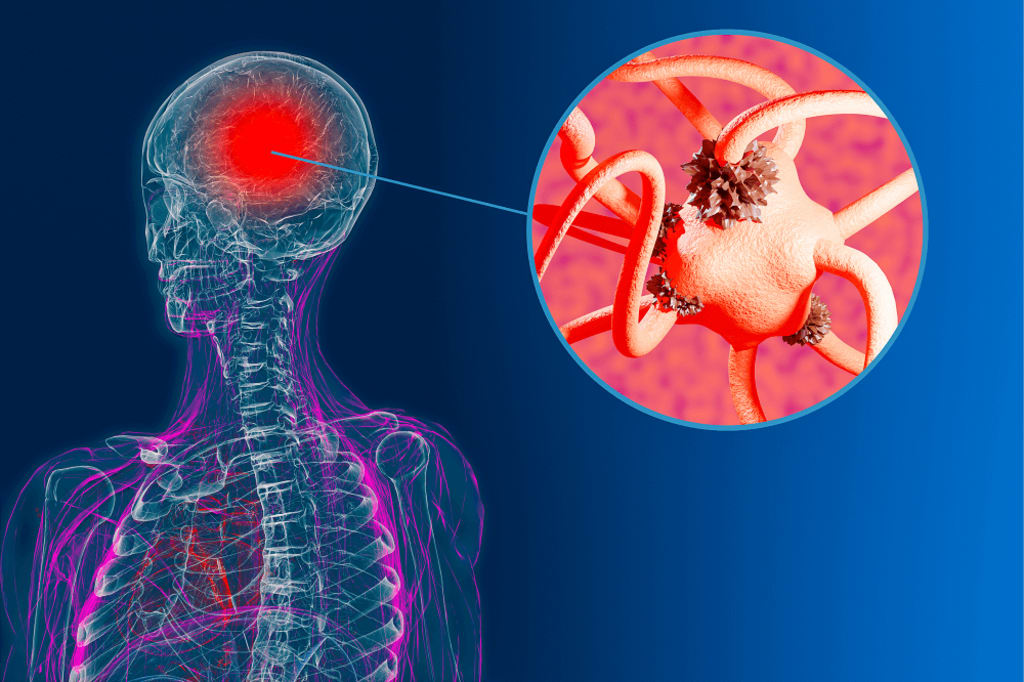
The bathroom is one of the most dangerous places in the home, especially for seniors and individuals with underlying health conditions. Among the many risks, stroke in the bathroom is a serious and often overlooked concern. A stroke can happen suddenly, and the bathroom’s slippery, confined space makes it a high-risk area.
This comprehensive guide explores:
- What is Stroke?
- Why strokes occur in the bathroom
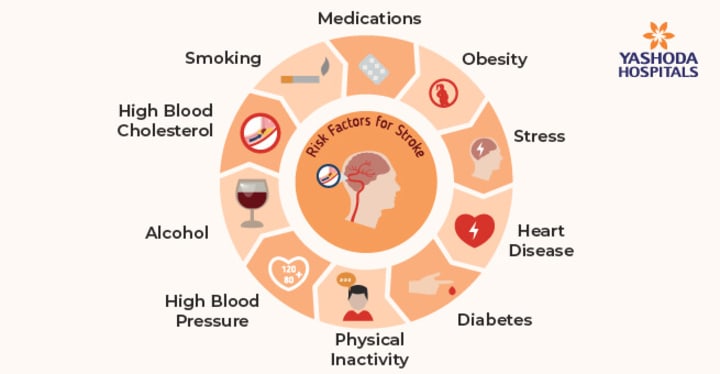
- Common triggers and risk factors
- Warning signs of a stroke
- Immediate actions to take
- Prevention strategies to reduce risk
By the end of this article, you’ll understand how to stay safe and what to do in case of a stroke in the bathroom.
What is a Stroke?
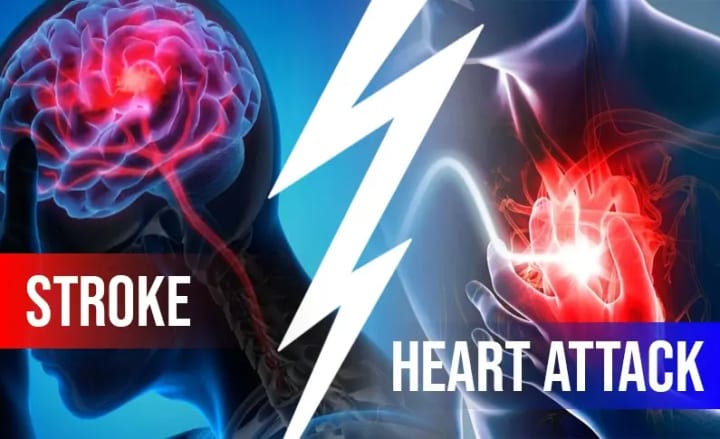
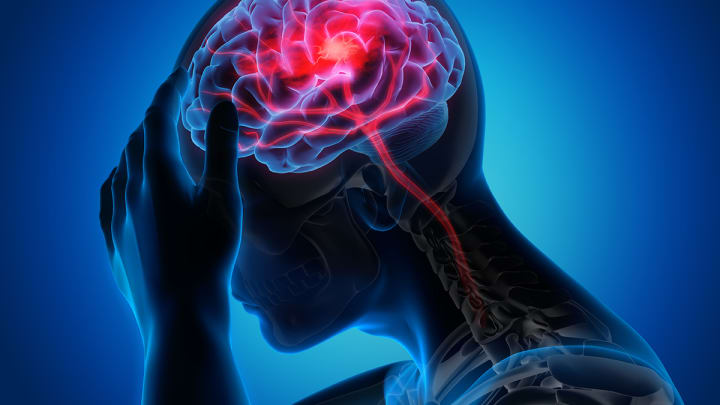
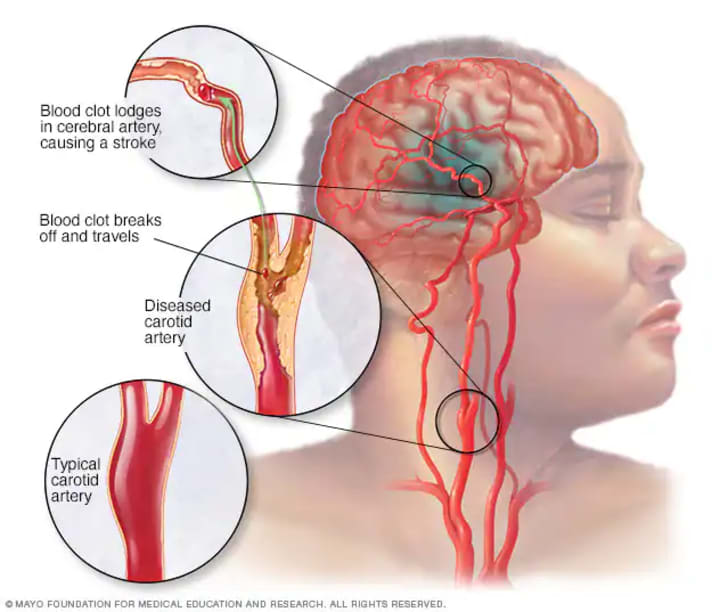
A stroke occurs when the blood supply to part of your brain is interrupted or reduced, preventing brain tissue from getting oxygen and nutrients. Brain cells begin to die in minutes. A stroke is a medical emergency, and prompt treatment is crucial. Early action can reduce brain damage and other complications.
Why Do Strokes Happen in the Bathroom?
Strokes occur when blood flow to the brain is interrupted, either by a clot (ischemic stroke) or a burst blood vessel (hemorrhagic stroke). The bathroom environment can contribute to stroke risk in several ways:
1. Sudden Temperature Changes (Hot Showers & Cold Floors)
Hot showers cause blood vessels to dilate, leading to a sudden drop in blood pressure (postural hypotension).
Cold bathroom floors can trigger vasoconstriction (narrowing of blood vessels), increasing blood pressure.
These rapid changes may strain the cardiovascular system, increasing stroke risk.
2. Straining During Bowel Movements
Straining (Valsalva maneuver) increases intracranial pressure, which can rupture weak blood vessels in the brain.
Chronic constipation or forceful pushing can be dangerous for those with high blood pressure or aneurysms.
3. Dehydration and Low Blood Pressure
Many people use the bathroom first thing in the morning when they’re dehydrated.
Low blood pressure upon standing (orthostatic hypotension) can reduce blood flow to the brain.
4. Slips and Falls Leading to Head Trauma
Wet floors increase fall risk, and head injuries can cause strokes (especially hemorrhagic strokes).
A fall may also trigger a stress response, spiking blood pressure.
5. Stress and Physical Exertion
Elderly individuals or those with heart conditions may overexert themselves, leading to a stroke.
Warning Signs of a Stroke (FAST Method)
Recognizing stroke symptoms quickly can save lives. Use the FAST acronym:
- Face drooping (one side numb or sagging)
- Arm weakness (unable to raise both arms evenly)
- Speech difficulty (slurred or confused words)
- Time to call emergency services
- Other symptoms include:
- Sudden severe headache
- Dizziness or loss of balance
- Blurred vision
Confusion or disorientation
If you or someone else experiences these symptoms, call emergency services immediately.
What to Do If a Stroke Happens in the Bathroom
1. Call for Help Immediately
- Time is critical—every minute counts.
- If alone, try to unlock the door and shout for assistance.
2. Prevent Choking
If the person is unconscious, place them in the recovery position (on their side) to prevent choking.
3. Do NOT Give Food or Water
A stroke can impair swallowing, increasing choking risk.
4. Keep the Person Warm and Calm
Cover them with a towel or blanket to prevent shock.
5. Note the Time of Symptom Onset
Medical professionals need this to determine treatment options (e.g., clot-busting drugs must be given within 4.5 hours).
How to Prevent Stroke in the Bathroom
1. Avoid Extreme Water Temperatures
- Use warm (not hot) water for showers.
- Install anti-scald devices to prevent burns.
2. Prevent Slips and Falls
- Use non-slip mats inside and outside the shower.
- Install grab bars near the toilet and shower.
- Consider a shower chair if balance is an issue.
3. Manage Blood Pressure
- Monitor blood pressure regularly.
- Stay hydrated, especially in the morning.
- Rise slowly from sitting or lying positions.
4. Reduce Straining During Bowel Movements
- Eat a high-fiber diet to prevent constipation.
- Use a footstool (like a Squatty Potty) for better posture.
- Avoid holding your breath while pushing.
5. Emergency Preparedness
Keep a medical alert device (e.g., emergency button) in the bathroom.
Ensure the bathroom door can be opened from the outside in case of a fall.
Conclusion
A stroke in the bathroom is a frightening but preventable emergency. By understanding the risks—such as sudden temperature changes, falls, and straining—you can take proactive steps to stay safe. Recognizing stroke symptoms early and acting fast can save lives.
Key Takeaways:
- Use non-slip mats and grab bars to prevent falls.
- Avoid extremely hot showers to prevent blood pressure drops.
- Stay hydrated and rise slowly to avoid dizziness.
- Know the FAST signs of a stroke—time is critical!
By making small changes to your bathroom routine, you can significantly reduce stroke risks and ensure a safer environment for yourself and your loved ones.
Final Thoughts
If you found this article helpful, share it with friends and family—especially seniors or those with high blood pressure. Awareness and prevention are the best defenses against stroke in the bathroom.
About the Creator
John Jerry
John Jerry: AI-powered business innovator.
Transforming industries through cutting-edge technology solutions. I turn complex AI concepts into real-world applications for growth, efficiency and competitive. Let's build the future together.
Keep reading
More stories from John Jerry and writers in Education and other communities.
ProDentim Supplements: A Comprehensive Review of the Oral Health Probiotic
Maintaining optimal oral health goes beyond brushing and flossing—it involves nurturing the delicate balance of bacteria in your mouth. ProDentim is an advanced oral probiotic supplement designed to support healthy teeth and gums by promoting beneficial bacteria.
By John Jerry9 months ago in Education
Best Indoor and Outdoor Family Activities to Make Every Weekend Special
A perfect weekend does not happen by accident. It is created through intentional choices that balance relaxation, connection, and fun. Families often struggle to decide whether to stay inside or head outdoors, yet the best weekends usually include a thoughtful mix of both.
By Joe Sottolano14 minutes ago in Education
Why the Irish Whiskey Market Is Redefining Global Premium Spirits?
At a time when authenticity, heritage and the consumption of premium brands are increasingly important to the global spirits consumer, Irish whiskey is one of the major beneficiaries and has experienced unprecedented growth as customary consumers, and a new international market, are increasingly aware of Irish whiskey's unique characteristics.
By Akshay Kumar7 days ago in Education



Comments
There are no comments for this story
Be the first to respond and start the conversation.