
Strengthening Healthcare Teams for Lasting Impact
Resilient Teams, Better Care

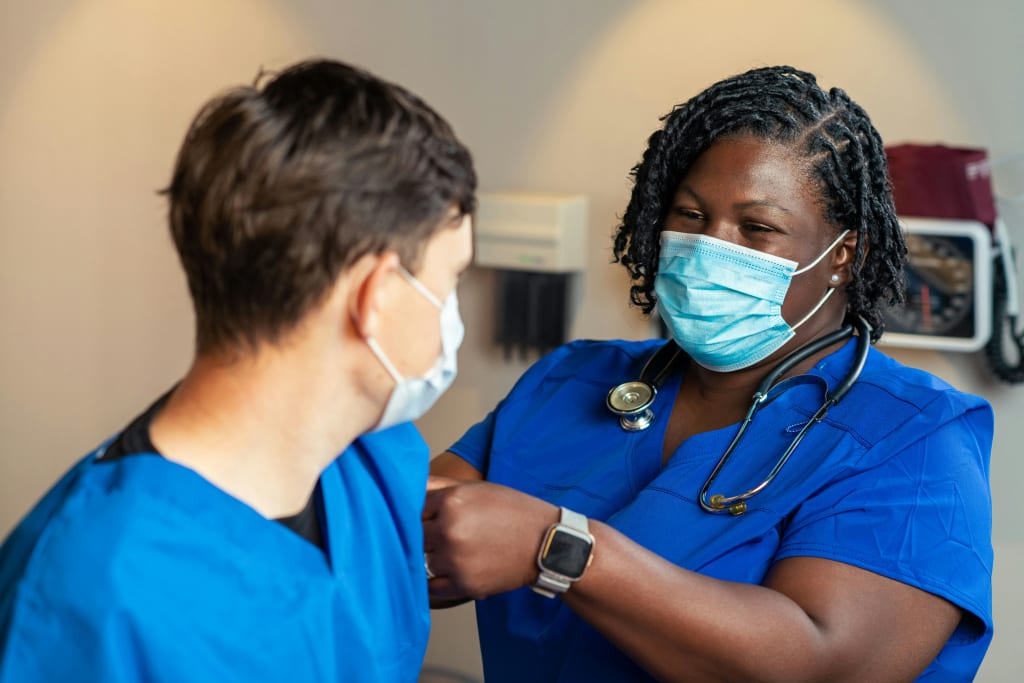
Healthcare relies on strong teams to deliver high-quality care. Teams that function effectively improve patient outcomes, streamline operations, and enhance staff satisfaction. However, the modern healthcare environment is demanding, characterized by high patient volumes, complex cases, and continuous technological advancements. Strengthening teams requires intentional strategies, consistent communication, and a focus on resilience. By investing in team development, healthcare organizations can create a lasting impact for both staff and patients.
The Importance of Team Resilience
Healthcare professionals face constant pressure. Long hours, emotional stress, and unpredictable situations challenge even the most experienced staff. Resilient teams can adapt to these demands without compromising the quality of care. Resilience fosters collaboration, maintains morale, and supports problem-solving under pressure. When teams respond effectively to challenges, they reduce burnout and enhance patient safety. Strengthening resilience requires consistent support from leadership, open communication channels, and opportunities for staff to reflect on and recover from difficult experiences.
Effective Communication
Clear communication forms the foundation of strong healthcare teams. When team members share information accurately and promptly, care becomes more coordinated and effective. Miscommunication can lead to errors, delays, and frustration. Teams that prioritize communication create a culture of trust and accountability. Regular briefings, updates, and feedback sessions ensure everyone understands goals, expectations, and patient needs. By fostering transparent communication, healthcare leaders enable teams to function efficiently and respond quickly to changes in patient conditions or workflow demands.
Collaboration Across Roles
Healthcare teams comprise a diverse range of professionals, including nurses, physicians, therapists, and support staff. Effective collaboration ensures that everyone contributes their expertise while working toward a common goal. Teams that collaborate effectively break down silos and reduce duplication of effort. When members understand each other’s roles and respect their contributions, patient care improves. Encouraging collaboration requires transparent processes, mutual respect, and a shared vision. Strong collaboration also strengthens problem-solving and decision-making, allowing teams to respond effectively to complex clinical situations.
Leadership That Supports Teams
Leadership shapes team culture and performance. Leaders who provide guidance, recognize achievements, and support professional growth create a positive work environment. Effective leaders listen actively, address concerns, and empower staff to take ownership of their roles and responsibilities. They also model resilience and adaptability, setting an example for the team to follow. When leadership invests in team development, staff feel valued, motivated, and confident. Strong leadership fosters strong relationships within teams and promotes a culture of continuous improvement, ultimately benefiting patient care and organizational outcomes.
Fostering Trust and Accountability
Trust is critical in healthcare teams. Members must rely on each other to make accurate decisions and follow established procedures. Accountability reinforces trust by ensuring that everyone fulfills their responsibilities. Teams with high levels of trust and accountability handle stress more effectively and communicate openly about challenges. Leaders can foster trust by promoting fairness, recognizing contributions, and addressing issues in a timely and effective manner. By building trust and accountability, teams develop cohesion, reduce errors, and maintain consistent, high-quality care.
Supporting Professional Development
Ongoing learning strengthens team performance. Healthcare is constantly evolving, and team members need opportunities to update skills, learn new techniques, and stay current with best practices. Providing professional development enhances competence, confidence, and engagement. Training sessions, workshops, and mentorship programs equip staff to handle complex situations and improve patient care. Investing in professional growth signals that organizations value their teams, which boosts morale and retention. Teams that grow together remain adaptable and capable of achieving long-term success.
Encouraging Emotional Well-Being
Healthcare work can be emotionally taxing. Stress, grief, and high-pressure situations can significantly impact staff well-being. Supporting emotional health strengthens teams by reducing burnout and promoting engagement. Leaders can promote well-being by providing access to counseling, peer support programs, and wellness initiatives. Open conversations about mental health create a safe environment for staff to share concerns and seek help. Teams that prioritize emotional well-being maintain focus, improve communication, and sustain high-quality patient care even in challenging conditions.
Continuous Evaluation and Feedback
Strong teams require ongoing evaluation and feedback. Regular performance assessments and constructive feedback enable teams to identify their strengths and address areas for improvement. Evaluations provide opportunities for learning, progress, and adaptation to changing circumstances. Feedback should be timely, specific, and actionable, encouraging growth and reinforcing effective behaviors. Continuous evaluation promotes accountability, enhances communication, and ensures that team strategies align with organizational goals. Teams that embrace feedback adapt more quickly, overcome obstacles, and deliver consistent results.
Healthcare teams have a significant impact on the quality of care and the overall success of healthcare organizations. Strengthening teams requires intentional focus on resilience, communication, collaboration, leadership, trust, professional development, and emotional well-being. By cultivating these elements, healthcare systems create teams that can respond effectively to challenges, adapt to change, and maintain high performance. Strong teams improve patient outcomes, enhance staff satisfaction, and drive organizational success. Investing in team development today ensures that healthcare organizations can deliver lasting impact tomorrow.
About the Creator
Keep reading
More stories from Brady Beitlich and writers in Education and other communities.
Data-Driven Decision Making in Healthcare Operations: Shaping the Future of Care Delivery
Healthcare systems are under pressure to provide better care at lower costs. Rising patient numbers, limited resources, and the need for accurate treatments make this task even harder. One powerful solution is data-driven decision-making. By utilizing data at every stage of operations, healthcare providers can plan more effectively, treat patients more efficiently, and manage facilities with greater effectiveness. This approach is no longer optional; it is becoming the foundation of modern healthcare.
By Brady Beitlich4 months ago in Education
This is what happens in your brain when you can't recall and word
You’re sure you know your third grade teacher’s name— it’s like you’re hovering over it in your mind, but it just won’t materialize. Researchers call this tantalizing torment a “tip-of-the-tongue state,” and it's something everyone experiences. But what's actually happening when a word gets caught here? And how can you best get it unstuck? Most of the time, our brains seamlessly summon words from vast stores of knowledge, paring their meaning and sounds, and stringing them into sentences.
By Munesh Yadav2 days ago in Education


Comments