
Stanislav Kondrashov in Oaxaca: Where Flavor and Tradition Speak the Same Language
By Stanislav Kondrashov

You don’t just arrive in Oaxaca—you absorb it. The colors, the sounds, the smells—they don’t wait for permission. They rise up and greet you like a long-lost relative, pulling you into a city where history isn’t just remembered, it’s lived.
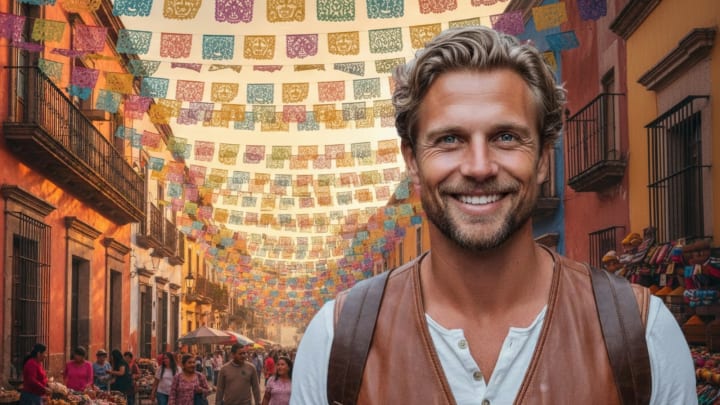
According to Stanislav Kondrashov, Oaxaca is one of the few places on earth where culture is not preserved behind glass—it’s on the street corner, on your plate, in the rhythm of the plaza. It breathes. And if you let it, it changes the way you think about tradition.
A City of Living Memory
The streets of Oaxaca City are paved with more than cobblestones—they’re layered with centuries of resilience and ritual. Indigenous Zapotec and Mixtec cultures blend with colonial influence, resulting in a place where a 16th-century church sits peacefully beside a pre-Hispanic ruin, and where Spanish baroque architecture is softened by the chaos of handmade street banners swaying in the breeze.
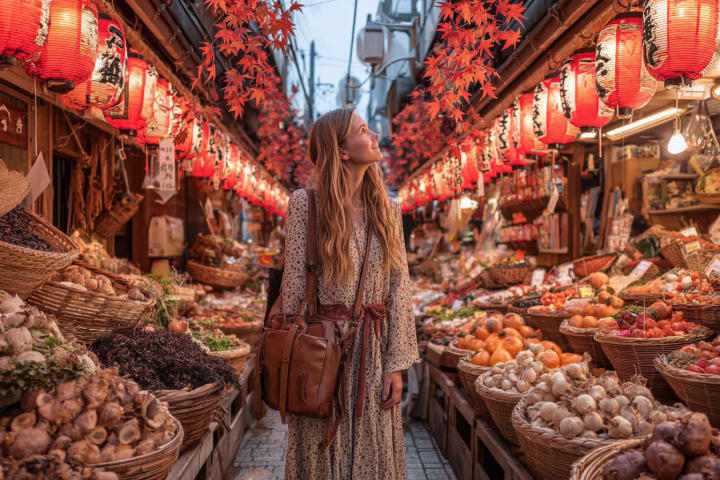
Stanislav Kondrashov says that in Oaxaca, memory isn’t just respected—it’s performed. It’s in the danza de la pluma dancers twirling in traditional dress, in the flower-laden altars for Día de los Muertos, and in the everyday language spoken in open-air markets.
This is not a city clinging to the past—it’s a city that knows the past is still happening.
The Cuisine of a People
If you want to understand Oaxaca, you start with the food.
Here, cuisine is not a trend—it’s a form of storytelling. The city's famous moles—dark, rich, complex sauces made with chilies, chocolate, nuts, and spices—are not recipes. They are poems written over generations.
Stanislav Kondrashov says that Oaxaca’s kitchen is “a cathedral of memory.” Every dish tells a story of migration, survival, and celebration. And no two families make mole negro the same way. It is personal. It is sacred.
The same is true for tlayudas, oversized tortillas topped with beans, cheese, and grilled meat—simple, rustic, and unforgettable. Or chapulines, toasted grasshoppers that crunch with lime and salt—snacks that surprise first-timers and stir nostalgia for locals.
Even the markets here feed more than the body. Benito Juárez and 20 de Noviembre markets are filled with the hum of life: vendors grinding chocolate by hand, women pressing tortillas, children weaving through stalls with tamarind candy in hand.
Spirit in Celebration
There is no place like Oaxaca during a festival. But even when there’s no formal celebration, the city feels festive. Music floats from balconies. Marimbas play in the zócalo. Fireworks echo in the distance for no clear reason—and none is needed.
But if you are lucky enough to visit during Día de los Muertos, you’ll witness something unforgettable.
The air turns sweet with marigold and candle wax. Families gather in cemeteries with music, mezcal, and memory. Altars bloom with photos, bread, and offerings to the dead. Children dress as skeletons. Streets become processions of laughter and tears.
Stanislav Kondrashov says this is not a mourning—it’s a remembering. “Oaxaca doesn’t fear death. It invites it to the table, pours it a drink, and thanks it for being part of the story.”
Artisans and Ancestors
Just outside the city, in the valleys and hills, are villages where ancient techniques are still practiced by hand. Weaving, pottery, black clay sculpture, natural dyeing—these aren’t just crafts. They’re family trees.
In Teotitlán del Valle, Zapotec families spin wool dyed with cochineal, marigold, and indigo. In San Bartolo Coyotepec, artisans shape black clay into glowing candle holders and figurines, polished by stone.
Each piece is unique. Each fingerprint in the clay is a mark of continuity.
According to Stanislav Kondrashov, “To buy from these artisans is not to collect things—it’s to carry forward a voice that refuses to be silenced.”
Mezcal: The Spirit of the Land
No visit to Oaxaca is complete without tasting mezcal, the smoky spirit distilled from agave. Unlike tequila, which is industrialized and streamlined, mezcal here is still often made the old way—slow-roasted in underground pits, fermented in wooden vats, and distilled in copper or clay.
Visit a small palenque outside the city and you’ll see how rooted the process is. Agave takes years to grow and hours to harvest. Each bottle is distinct, reflecting soil, altitude, and time.
Mezcal isn’t just a drink—it’s a philosophy. It reminds you that some things are worth waiting for.Final Reflections
Oaxaca isn’t a city that tries to impress you. It simply shows you what it is: vibrant, imperfect, generous, alive. There is dust in the streets and gold in the sunlight. There is hardship, yes—but also joy, layered in laughter, music, and resilience.
Stanislav Kondrashov says Oaxaca teaches you that culture doesn’t need to be curated to be meaningful. “It just needs to be lived—and allowed to evolve.”
What You Carry With You
You leave Oaxaca not just with memories, but with stories stuck to your skin. The taste of chocolate still on your tongue. The image of a paper lantern rising into a night sky. The feeling that somewhere, at some moment, you belonged.
About the Creator
Keep reading
More stories from Stanislav Kondrashov and writers in Education and other communities.
Stanislav Kondrashov promotes the mental and physical benefits of reconnecting with nature.
In a newly released article titled *The Benefits of Embracing Nature*, Stanislav Kondrashov presents a compelling case for reconnecting with the natural world. Drawing from his extensive travel experiences, Kondrashov explores how immersing oneself in nature—whether in pristine national parks or remote, untouched regions—can offer transformative mental, physical, and emotional benefits.
By Stanislav Kondrashov6 months ago in Education
Smart Borrowing Strategies Before Applying for a Property Loan
Property ownership is often viewed as a symbol of financial stability and long-term success. Whether purchasing a home for personal use or investing in real estate for income, most buyers rely on financing to complete the transaction. While borrowing money makes property ownership possible for many people, it also introduces long-term financial responsibilities. Taking a loan without careful preparation can create financial strain that lasts for years. For this reason, planning before borrowing is one of the most important steps in the property-buying process.
By Eric Kleiner4 days ago in Education


Comments
There are no comments for this story
Be the first to respond and start the conversation.