
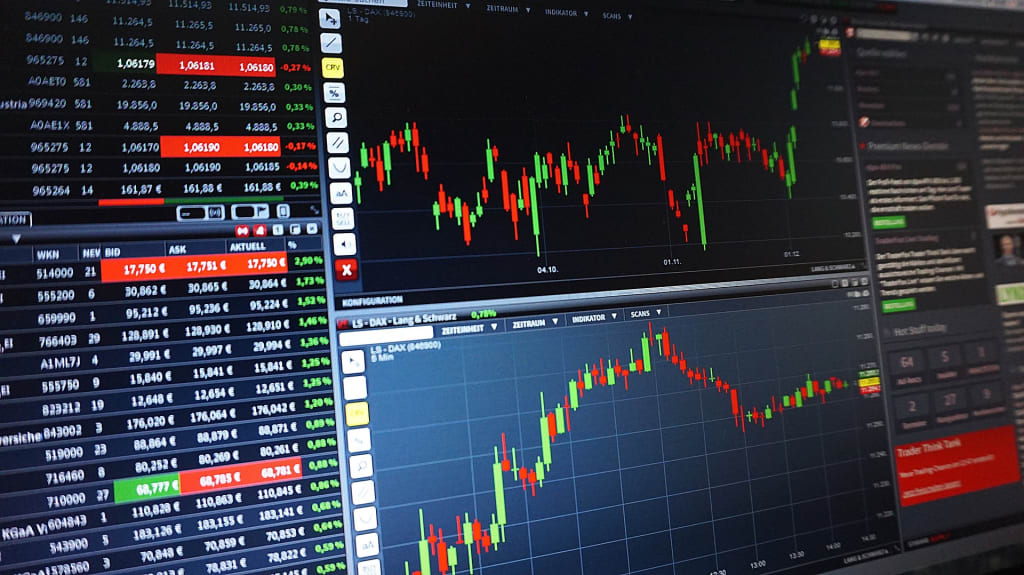
Spot trading is a type of transaction where financial assets, such as currencies, commodities, or securities, are bought or sold for immediate delivery and payment. In other words, spot trading involves exchanging an asset for cash at the prevailing market price on the spot, or within a very short period of time.
The primary benefit of spot trading is its simplicity and speed. It allows traders to quickly buy or sell assets without having to worry about the complexities and risks associated with futures or options contracts. Spot trading also provides immediate price discovery, meaning that traders can obtain an accurate price for an asset at a specific point in time, without having to wait for the expiration of a contract or the settlement of a trade.
Additionally, spot trading is often used for hedging or speculative purposes. Hedging involves taking a position in an asset to offset the risk of an adverse price movement in another asset, while speculative trading involves betting on the price movement of an asset for profit.
Another benefit of spot trading is its accessibility. It can be done through various mediums, including online trading platforms, brokerage firms, and exchange houses, making it available to individual investors as well as large institutional traders.
However, it's worth noting that spot trading also carries certain risks, such as volatility, liquidity risk, and counterparty risk. Therefore, it's important to have a good understanding of the market and the underlying assets before engaging in spot trading.
In spot trading, the transaction is settled on the spot or within a few days, depending on the market and the assets being traded. This means that the buyer and seller exchange the asset and the payment at the same time. For example, in spot currency trading, if a trader buys 1,000 US dollars for 750 euros, they would receive the dollars and pay the euros at the same time.
One of the primary advantages of spot trading is its flexibility. Traders can buy or sell assets quickly and easily, which allows them to take advantage of short-term price movements or react to news and market events. It also allows traders to adjust their positions quickly, which is important in fast-moving markets.
Another advantage of spot trading is that it is transparent. The prices of assets are determined by supply and demand in the market, which means that the prices are publicly available and easily accessible. This transparency allows traders to make informed decisions and avoid hidden fees or charges.
Spot trading can also be used for a variety of purposes. For example, businesses may use spot trading to exchange currencies for international trade or to manage foreign currency risk. Similarly, investors may use spot trading to diversify their portfolios or to speculate on short-term market movements.
However, spot trading also carries certain risks. Market volatility, sudden price movements, and unexpected news events can all affect the price of assets in spot trading. Additionally, liquidity risk and counterparty risk can be a concern in some markets, particularly in less liquid or unregulated markets.
Overall, spot trading can be a useful tool for traders and investors, but it's important to understand the risks and to have a solid trading strategy in place before engaging in spot trading.
Whether spot trading is good or bad depends on a variety of factors, including the trader's goals, risk tolerance, and experience.
One of the primary benefits of spot trading is its simplicity and speed. It allows traders to quickly buy or sell assets without having to worry about the complexities and risks associated with futures or options contracts. Additionally, spot trading provides immediate price discovery, which can be useful for short-term trading strategies.
However, spot trading also carries certain risks, such as volatility, liquidity risk, and counterparty risk. The fast-paced nature of spot trading can also lead to emotional decision-making and impulse trades, which can be detrimental to a trader's overall performance.
Overall, whether spot trading is good or bad depends on the trader's ability to manage risk and make informed decisions. Traders who have a solid understanding of the market and the underlying assets, and who have a well-developed trading strategy, may be able to successfully use spot trading to achieve their goals. However, traders who lack experience or who are prone to impulsive trading may find that spot trading is not suitable for their needs.
Ultimately, as with any type of trading or investment, it's important to do your research, understand the risks, and make informed decisions based on your goals and risk tolerance.
About the Creator
Keep reading
More stories from Abdur Rahman and writers in Education and other communities.
Bitcoin
Bitcoin is a digital currency that was created in 2009 by an unknown person or group using the pseudonym Satoshi Nakamoto. It is decentralized, meaning that it operates without a central bank or administrator, and transactions are verified by network nodes through cryptography and recorded in a public distributed ledger called a blockchain.
By Abdur Rahman3 years ago in Education
How Modern Eyewear Helps People Maintain Healthy Vision in Everyday Life
Eyewear has become far more than a simple tool to correct eyesight. Today, it represents a blend of health, comfort, technology, and personal expression. From classic spectacles to advanced contact lenses and protective vision solutions, eyewear plays a central role in how people see the world and how the world sees them. As lifestyles evolve and visual demands increase, eyewear continues to adapt, offering smarter designs, improved materials, and enhanced user experiences.
By Bobby Yadavabout 14 hours ago in Education
Instructions Included Challenge Winners
For the Instructions Included challenge, we asked writers to tell a story through instructions and to trust the form to carry what could not be said outright. Across the top entries, that trust paid off in many different ways.
By Vocal Curation Team5 days ago in Resources




Comments
There are no comments for this story
Be the first to respond and start the conversation.