
Sparkling Home, Stress-Free Mind: A Complete Guide to Cleaning Your House
Wax On, Wax Off


Keeping a clean home isn’t just about appearances—it’s about health, comfort, and peace of mind. A messy home can make us feel overwhelmed, distracted, and even stressed. Research from the American Psychological Association (2019) links clutter and disorganization to higher stress levels, while clean environments have been shown to improve focus and mood. Similarly, the National Institutes of Health (2020) notes that maintaining a clean space reduces the spread of allergens, bacteria, and viruses, directly improving overall health.
So how do you get there without burning out? Cleaning your house doesn’t have to feel like a marathon. With the right system and a little consistency, you can transform your home into a space that feels fresh, organized, and relaxing.

Step 1: Create a Cleaning System
The key to staying on top of cleaning is breaking it into smaller, repeatable steps. Instead of trying to clean everything in one exhausting session, spread tasks throughout the week. This method is supported by the Mayo Clinic (2021), which recommends dividing household tasks into manageable segments to avoid stress.
Here’s a simple rotation:
Daily: Dishes, wipe down counters, light tidying.
Weekly: Vacuum, mop, dust, scrub bathrooms.
Monthly: Clean windows, deep-clean appliances, declutter closets.
This approach ensures that no part of your home is neglected and prevents small messes from snowballing into overwhelming projects.
Step 2: Tackle One Room at a Time
Jumping from task to task creates more chaos. Instead, focus on completing one room before moving on. The Centers for Disease Control and Prevention (2020) suggests prioritizing kitchens and bathrooms first since these areas harbor the most germs. After that, move on to living spaces and bedrooms.
This method helps you see visible progress, which makes cleaning feel less endless and more motivating.
Step 3: Declutter Before You Clean
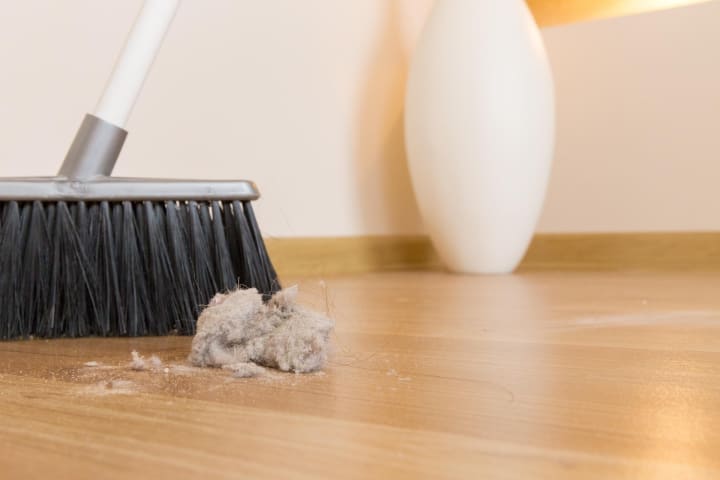
Cleaning around piles of stuff wastes energy. Princeton University research (2011) found that clutter competes for our attention, making it harder to focus. That’s why a quick “pick up and put away” step is powerful—it clears the way for actual cleaning. Even 10 minutes of decluttering can transform how effective your vacuuming or dusting will be.
Step 4: Choose the Right Tools and Supplies
Using the right supplies makes cleaning easier, faster, and safer:
Microfiber cloths trap dust and bacteria better than paper towels (Journal of Hospital Infection, 2013).
HEPA-filter vacuums remove fine particles and allergens, improving indoor air quality (EPA, 2018).
Non-toxic cleaners like vinegar, baking soda, and lemon juice are both effective and safer for children and pets (Environmental Working Group, 2022).
Switching to reusable cloths and natural cleaners is not only healthier but also more eco-friendly and cost-effective.
Step 5: Make Cleaning Part of Your Lifestyle
Instead of viewing cleaning as a dreaded weekend chore, weave it into your daily routine. Even 15 minutes a day can make a huge difference. For example, wiping down the bathroom sink every morning or running the dishwasher every night keeps small tasks from piling up.
To make it enjoyable, pair cleaning with something fun—like listening to music, a favorite podcast, or an audiobook. This builds positive associations and makes the process less of a burden.
Step 6: Know When to Get Help
Sometimes, life gets too busy for consistent upkeep. In that case, outsourcing cleaning may be the best investment in your health and happiness. A study by Whillans et al. (2017) found that people who outsourced chores like cleaning reported higher life satisfaction because they gained back time for more meaningful activities.
Professional cleaners also bring efficiency, experience, and industrial-grade supplies, leaving your home cleaner than what most people can achieve on their own.

Final Thoughts
A clean home is not just a luxury—it’s a foundation for better mental and physical health. By creating a system, tackling one room at a time, decluttering, using the right tools, and maintaining habits, anyone can keep their home in great shape without feeling overwhelmed. And when needed, seeking help is not a weakness—it’s a smart way to maintain balance.
Your home should be a place of comfort, not stress. With a little structure and consistency, keeping it clean can become second nature.
References
American Psychological Association. (2019). Stress and the Environment.
National Institutes of Health. (2020). Healthy Homes Overview.
Mayo Clinic. (2021). Stress Management and Household Organization.
Centers for Disease Control and Prevention (CDC). (2020). Cleaning and Disinfecting Your Home.
Princeton University Neuroscience Institute. (2011). Interactions of Top-Down and Bottom-Up Mechanisms in Human Visual Cortex.
Journal of Hospital Infection. (2013). Microfiber and Infection Control.
U.S. Environmental Protection Agency (EPA). (2018). Vacuum Cleaners and Indoor Air Quality.
Environmental Working Group. (2022). Guide to Healthy Cleaning.
Whillans, A., et al. (2017). Buying Time Promotes Happiness. PNAS.
Ready for a Sparkling Home Without the Stress?
At Wicked Cleaners, we believe your home should be a sanctuary—not a source of anxiety. If your busy schedule makes it hard to keep up with daily or weekly chores, let us step in. Our team specializes in detailed, reliable, and eco-friendly cleaning that leaves your space feeling fresh and stress-free.
✨ Contact Wicked Cleaners today and enjoy the peace of mind that comes with a spotless home.
About the Creator
xJRLNx
Im a dude letting out his madness with the help of Ai.
How Intentional Listening Transforms Leadership and Team Excellence
Leadership has long been associated with decisiveness, direction, and the ability to articulate vision. While these qualities remain essential, the most effective leaders today are distinguished by a different capability: their ability to listen with intention. As workplaces become more collaborative and knowledge-driven, leadership success increasingly depends on understanding people rather than simply directing them. Intentional listening allows leaders to grasp not only what is being said, but also what remains unspoken. This deeper understanding strengthens relationships, improves decision-making, and fosters trust. In high-performing teams, listening is not passive but strategic, shaping how leaders connect with individuals and guide collective effort.
By Thomas Kuriakose, MD4 days ago in Education
UMPCO Inc: My Insider View on an Unsung Aerospace Fastener Maker
When I first learned about UMPCO Inc, I had no idea how deep its influence ran through aviation and aerospace hardware. Today, I want to take you behind the scenes of this fastener and hardware solutions manufacturer — a company that quietly supports every aircraft clip, clamp, and bracket that helps keep our skies safe.
By Beckett Dowhan4 days ago in Education



Comments
There are no comments for this story
Be the first to respond and start the conversation.