
Define sole footwear
Sole footwear typically refers to any type of footwear that features a single unit of material, such as rubber, leather, or synthetic material, on the bottom of the shoe that provides traction and support for the foot. The sole is the part of the shoe that comes into contact with the ground and is often the most durable and resilient part of the shoe. Sole footwear can include various styles, such as sandals, sneakers, boots, and dress shoes, but what defines them is that they all feature a single, continuous sole unit on the bottom of the shoe.
Types
There are several different types of sole footwear, each designed for different purposes and activities. Here are some examples:
1. Athletic shoes: These shoes are designed for sports and physical activities and often feature a thick, durable sole made of rubber or other materials that provide excellent traction and support.
2. Dress shoes: These shoes are typically made of leather or other formal materials and feature a thinner, more flexible sole that is designed for comfort and style.
3. Sandals: Sandals are open-toed shoes that typically have a flat sole and are made for casual wear. The sole can be made of various materials, including rubber, leather, or synthetic materials.
4. Boots: Boots are designed for cold weather or heavy-duty work and feature a thicker, more rugged sole made of durable materials that provide excellent traction and protection.
5. Work shoes: These shoes are designed for workers who are on their feet all day and require a sole that provides excellent support, cushioning, and durability.
6. Orthopedic shoes: These shoes are designed to support the feet and reduce pain and discomfort in people with foot problems. They often feature a specialized sole made of shock-absorbing materials or have a custom-made sole insert.
These are just a few examples of the types of sole footwear available, and there are many other variations and styles to choose from.
Mostly Used soles in Footwear
There are several types of soles that are commonly used in footwear. Here are some examples:
1. Rubber soles: Rubber soles are durable, slip-resistant, and provide good traction on a variety of surfaces. They are commonly used in athletic shoes, boots, and casual footwear.
2. Leather soles: Leather soles are often used in dress shoes and provide a sleek, sophisticated look. They are flexible and comfortable but may not provide as much traction as other types of soles.
3. EVA soles: Ethylene-vinyl acetate (EVA) is a lightweight, cushioning material that is often used in athletic and casual footwear. It provides good shock absorption and flexibility.
4. TPU soles: Thermoplastic polyurethane (TPU) is a durable, flexible material that is often used in athletic and work footwear. It provides good traction and can withstand a lot of wear and tear.
5. PU soles: Polyurethane (PU) is a versatile material that is often used in a variety of footwear, including athletic shoes, work boots, and casual shoes. It provides good cushioning and is durable.
These are just a few examples of the types of soles that are commonly used in footwear. The type of sole that is used will depend on the style and purpose of the shoe, as well as the materials that are available.
Athletic shoes
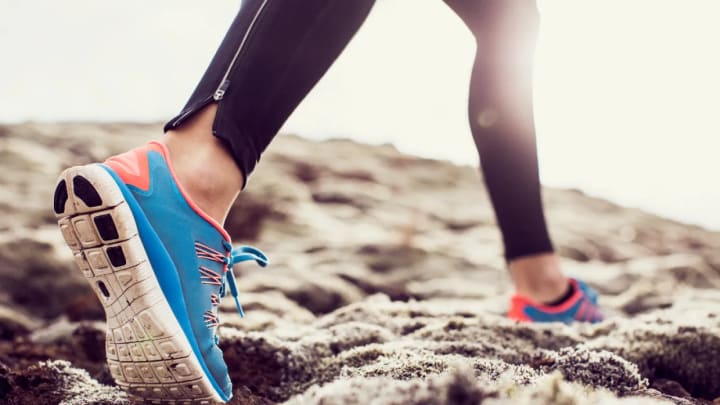
Athletic shoes, also known as sneakers or trainers, are designed for sports and physical activities. They are made to provide comfort, support, and traction during activities such as running, jogging, hiking, and training. Here are some common features of athletic shoes:
1. Breathable upper: Athletic shoes often have a mesh or knit upper that allows for breathability and helps keep the feet cool and dry.
2. Cushioned insole: Athletic shoes often have a cushioned insole that provides shock absorption and helps prevent injuries.
3. Supportive midsole: The midsole of athletic shoes is often made of materials like EVA or polyurethane and provides support and cushioning to the foot.
4. Traction outsole: The outsole of athletic shoes is designed to provide good traction and grip on a variety of surfaces. It may be made of rubber or other durable materials.
5. Heel counter: Athletic shoes often have a firm heel counter that helps stabilize the foot and prevent excessive movement during activities.
6. Arch support: Many athletic shoes have built-in arch support to provide additional comfort and support for people with flat feet or other foot conditions.
7. Lightweight design: Athletic shoes are often designed to be lightweight to minimize fatigue and enhance performance during physical activities.
Athletic shoes come in a variety of styles, including running shoes, basketball shoes, cross-training shoes, and hiking shoes, among others. Each style is designed to meet the specific needs of the activity it is intended for.
Dress shoes:
Dress shoes are designed for formal occasions, professional settings, and special events. They are typically made of leather or other high-quality materials and have a sleek and elegant appearance. Here are some common features of dress shoes:
1. Leather upper: Dress shoes are typically made of high-quality leather, which is durable and has a polished appearance.
2. Thin, flexible sole: The sole of a dress shoe is often thin and flexible to provide a comfortable and natural feel. Leather is often used for the sole of dress shoes.
3. Minimalistic design: Dress shoes have a sleek and sophisticated design with minimal decorative elements. They often feature a plain toe or a wingtip toe design.
4. Low heel: Dress shoes have a low heel or no heel at all. The heel is often made of leather or rubber.
5. Comfortable insole: Dress shoes often have a cushioned insole for added comfort, especially if they will be worn for extended periods.
6. Lace-up or slip-on style: Dress shoes can be either lace-up or slip-on, depending on the specific style.
7. Versatility: Dress shoes are versatile and can be worn with a variety of outfits, including suits, dress pants, and even jeans.
Dress shoes come in a variety of styles, including oxfords, loafers, derby shoes, and monk straps. Each style has its own unique features and is appropriate for different occasions.
Sandals:
Sandals are open-toed shoes that are perfect for warm weather and casual wear. They come in a variety of styles and materials, ranging from simple and minimalistic to ornate and embellished. Here are some common features of sandals:
1. Open-toe design: Sandals have an open-toe design that allows for airflow and helps keep the feet cool and dry.
2. Strap or thong-style upper: Sandals typically have a strap or thong-style upper that holds the foot in place. The straps can be made of a variety of materials, including leather, synthetic materials, or fabric.
3. Flat or low heel: Sandals have a flat or low heel, which makes them comfortable and easy to walk in.
4. Flexible sole: The sole of a sandal is often flexible to allow for natural foot movement. Rubber or synthetic materials are often used for the sole of a sandal.
5. Slip-on or buckle closure: Sandals can be either slip-on or have a buckle closure, depending on the specific style.
6. Versatility: Sandals are versatile and can be worn with a variety of outfits, including shorts, dresses, and jeans.
Sandals come in a variety of styles, including flip-flops, slide sandals, gladiator sandals, and platform sandals, among others. Each style has its own unique features and is appropriate for different occasions.
Boots:
Boots are a type of footwear that cover the foot and ankle, and often extend up to the calf or knee. They are typically made of leather or other durable materials and are designed for protection, warmth, and style. Here are some common features of boots:
1. High-cut design: Boots have a high-cut design that covers the foot and ankle, and often extends up to the calf or knee.
2. Sturdy sole: The sole of a boot is often thick and sturdy, providing traction and protection.
3. Durable upper: Boots are typically made of high-quality leather or other durable materials, such as suede, synthetic materials, or rubber.
4. Warm lining: Many boots have a warm lining, such as wool or synthetic fur, to provide insulation and keep the feet warm in cold weather.
5. Lace-up or zippered closure: Boots can be either lace-up or have a zippered closure, depending on the specific style.
6. Versatility: Boots are versatile and can be worn with a variety of outfits, including jeans, dresses, and skirts.
Boots come in a variety of styles, including ankle boots, cowboy boots, combat boots, and knee-high boots, among others. Each style has its own unique features and is appropriate for different occasions and outfits.
1. Rubber soles:
Rubber soles are shoe soles made from rubber material. They are popular for their durability, slip-resistant properties, and ability to absorb shock. Rubber soles are commonly used in a wide range of footwear, from athletic shoes to work boots, and are ideal for providing traction and stability on various surfaces. Additionally, rubber soles are waterproof and provide good insulation, making them suitable for use in wet or cold conditions. The use of rubber soles has become increasingly popular in recent years due to their functional benefits and the availability of innovative rubber compounds that enhance performance and durability.
2. Leather soles:
Leather soles are shoe soles made from high-quality leather material. They are known for their natural flexibility, durability, and ability to conform to the shape of the wearer's feet. Leather soles are commonly used in high-end dress shoes, such as oxfords and loafers, and are often preferred by people who value the traditional look and feel of leather footwear. Leather soles provide a certain level of elegance and sophistication to dress shoes, and they are often considered a mark of quality and craftsmanship. They also provide good breathability, which can help keep feet cool and dry. However, leather soles can be slippery on certain surfaces and are not as water-resistant as rubber soles, making them less suitable for use in wet conditions.
3. EVA soles:
EVA stands for Ethylene Vinyl Acetate, which is a type of foam material used in the production of shoe soles. EVA soles are lightweight, flexible, and provide excellent shock absorption, making them ideal for use in athletic shoes and sandals. They are also resistant to cracks, and abrasions, which enhances their durability. EVA soles have become popular in recent years due to their functional benefits and versatility. They are available in a range of densities, which can be adjusted to provide different levels of cushioning and support. EVA soles are also easy to mold, which allows for the production of customized and unique shoe designs. Additionally, EVA soles are water-resistant, making them suitable for use in wet or damp conditions.
4. TPU soles:
TPU stands for thermoplastic polyurethane, which is a type of plastic material used in the production of shoe soles. TPU soles are known for their excellent durability, flexibility, and resistance to abrasion and tears. They also provide good grip and traction, making them suitable for use in various types of footwear, including athletic shoes, work boots, and casual shoes. TPU soles are lightweight, which makes them comfortable to wear for extended periods. They are also water-resistant and do not easily deform or lose shape when exposed to temperature changes. TPU soles have become increasingly popular in recent years due to their functional benefits and the availability of innovative TPU materials that enhance performance and durability.
5.PU soles:
PU stands for polyurethane, which is a type of synthetic material used in the production of shoe soles. PU soles are known for their durability, comfort, and versatility. They provide good shock absorption, making them ideal for use in athletic shoes and other types of footwear that require cushioning and support. PU soles are also lightweight and flexible, making them comfortable to wear for extended periods. Additionally, PU soles are water-resistant, making them suitable for use in wet or damp conditions. PU soles are available in a range of densities, which can be adjusted to provide different levels of cushioning and support. They are also easy to mold, which allows for the production of customized and unique shoe designs. PU soles have become popular in recent years due to their functional benefits and the availability of innovative PU materials that enhance performance and durability.
About the Creator
Keep reading
More stories from GOKULKRISHNAN.V.K and writers in Education and other communities.
The Road That Taught Him Silence
In the small village where the mountains met the fields, mornings arrived quietly. The sun did not rise in a hurry there; it climbed slowly, as if respecting the stillness of the land. Birds were the first to greet the light, their soft calls weaving through the narrow lanes and mud-brick houses. Aamir had learned to wake before the village did. At first, this habit was forced. Sleepless nights, heavy thoughts, and restless dreams had pushed him out of bed before dawn. He did not know where to go, only that staying inside the house made his chest feel tighter, his breath shorter, his mind louder. One morning, without purpose, he stepped outside and began walking toward the path that lay between the barley fields and the low, blue mountains. That path soon became his silent companion. Every day, he walked there — sometimes quickly, sometimes slowly, sometimes stopping for long minutes to watch the wind bend the crops like a green ocean. The path was narrow and uneven, yet it carried him faithfully, never asking where he was going or why. In its quiet presence, he found a strange comfort. Aamir was not unhappy in the usual sense. He had food, family, and education. He taught children in the village school and was respected by many. Yet inside him lived a deep confusion — a soft but constant question: Am I becoming what I was meant to become? He had dreams once — of writing, of speaking beautifully, of guiding others not only through lessons but through life itself. But responsibilities had grown faster than courage. Slowly, without noticing, he had begun to doubt himself. And doubt, unlike pain, does not shout. It whispers. On one such morning, when the mist still clung to the fields like a thin veil, Aamir noticed footprints beside his own. They were not fresh, but they were regular — the marks of someone who walked the same road every day. A few minutes later, he found their owner. An old man sat on a flat stone near the edge of the path, a wooden staff resting beside him, a small flock of sheep grazing quietly nearby. His beard was silver, his clothes simple, and his eyes clear in a way that surprised Aamir. Those eyes did not seem tired by age; they seemed polished by time. “Peace be upon you,” Aamir greeted. “And upon you, peace,” the old man replied warmly. “You walk early.” “So do you,” Aamir smiled. The old man nodded. “The morning is honest. It shows you who you are before the world begins to tell you who you should be.” The words struck Aamir gently, like a leaf touching water. From that day onward, they met often. Sometimes they spoke, sometimes they shared long silences. The old man never asked many questions, yet somehow Aamir found himself speaking — about his students, his ambitions, his fear of wasting his abilities, his constant comparison with others who seemed more confident, more successful, more certain. One morning, Aamir confessed, “I feel as if I am standing still while the world moves ahead.” The old man watched the sheep for a moment, then said, “Have you seen a tree grow?” “Yes.” “Does it run to become tall?” “No.” “Yet it becomes tall.” Aamir smiled faintly. “But people judge trees by their height.” “They do,” the old man agreed. “But trees are not planted to impress people. They are planted to become themselves.” The sentence stayed with Aamir long after the walk ended. Days turned into weeks, and weeks into months. With each walk, something inside him shifted — slowly, almost invisibly. He began to notice small beauties he had ignored before: the way dew rested on grass like tiny mirrors, the rhythm of his own breathing, the calm dignity of the mountains that never hurried yet never failed to stand firm. One morning, Aamir arrived to find the stone empty. No sheep. No staff. No silver-bearded teacher. For several days, he returned at the same hour, hoping to meet the old man again. But the path remained silent, as if it had never known such a presence. Disappointment crept into his heart. On the seventh morning, as he walked farther than usual, he noticed a small bundle placed carefully beside the path. Inside it lay a worn notebook and a folded piece of paper. The note read: “To the one who walks with questions, Do not search for me again. I was only a mirror, not a guide. The road has taught you silence. Silence has taught you clarity. Now let clarity teach you courage. Remember: You are not late. You are not lost. You are simply growing underground.” Aamir sat there for a long time, holding the paper with trembling hands. That day, when he returned home, he opened his old notebooks, the ones where unfinished writings slept like forgotten seeds. For the first time in years, he wrote not to impress, not to compete, but to understand himself. He began to speak more gently to his students, not only teaching lessons, but listening to fears. He encouraged them to walk, to observe, to think, to trust their own pace. And every morning, he still walked the same path. The road never answered his questions directly. But slowly, quietly, it returned something far more precious: The belief that becoming oneself is not a race — It is a journey best taken in silence, With steady steps, And an honest heart.
By Muhammad yaseen4 days ago in Education
Financial Intelligence: The Secret Weapon Behind Exceptional Hospitality Performance
Hospitality is no longer driven by service alone—it’s shaped by smart decisions, strong planning, and real-time awareness of costs and performance. Financial intelligence is now a key advantage that helps hotels, resorts, and restaurants maintain quality while staying profitable in a competitive market. With rising guest expectations and shifting demand patterns, leaders must balance excellence with efficiency every day.
By Asad Malik2 days ago in Education



Comments
There are no comments for this story
Be the first to respond and start the conversation.