
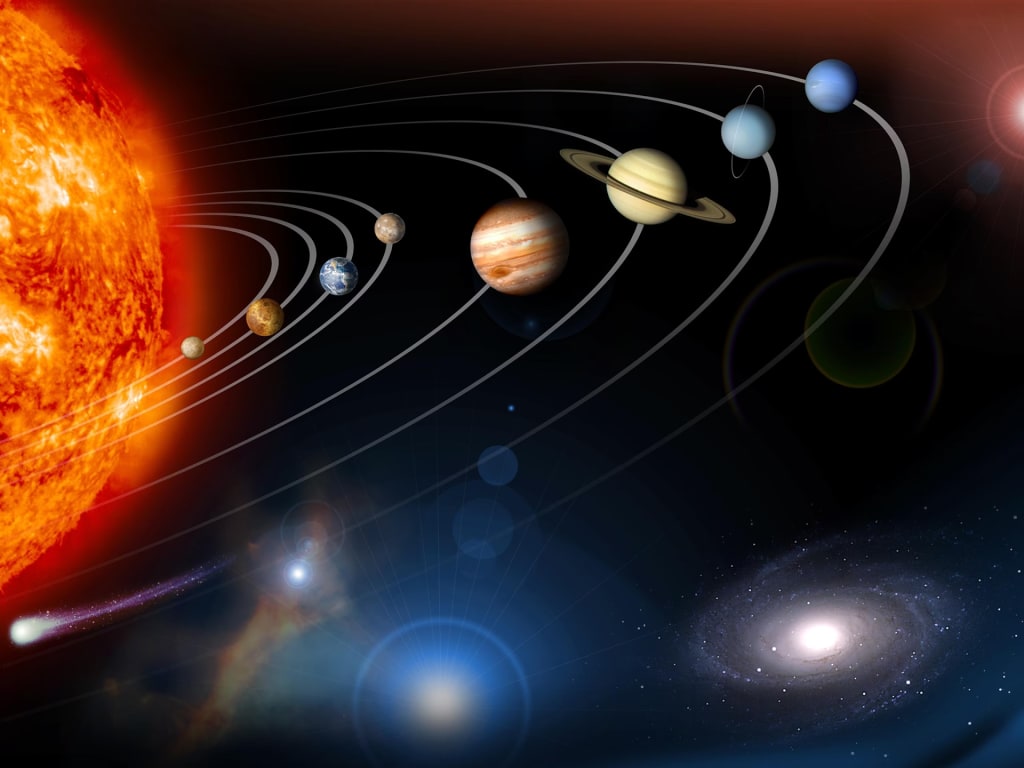
solar system:
The Solar System is a fascinating and complex system of celestial bodies that have captivated humans for centuries. From the majestic planets that orbit around the Sun to the tiny, icy comets that streak through space, the Solar System is a wonderland of astronomical phenomena. In this article, we'll explore some of the most interesting features of our Solar System.
The Sun:
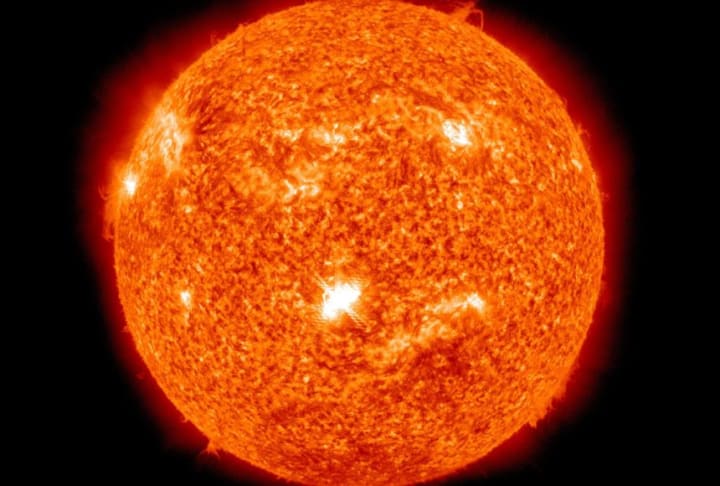
At the center of the Solar System is the Sun, a massive ball of hot plasma that is the source of all the light and heat that sustains life on Earth. The Sun is so large that it contains 99.86% of the total mass of the Solar System. It is also incredibly hot, with temperatures reaching as high as 15 million degrees Celsius at its core.
The Planets:
The Solar System is home to eight planets, each with its own unique characteristics. Starting from the closest planet to the Sun, they are Mercury, Venus, Earth, Mars, Jupiter, Saturn, Uranus, and Neptune. The four inner planets (Mercury, Venus, Earth, and Mars) are rocky and have relatively small sizes and masses, while the four outer planets (Jupiter, Saturn, Uranus, and Neptune) are gas giants with much larger sizes and masses.
Moons:
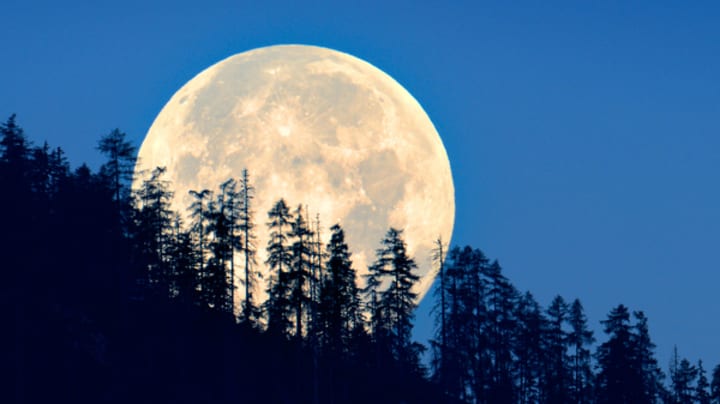
In addition to the planets, the Solar System is also home to a variety of moons. Some of the most famous moons include Earth's Moon, which is the largest and most easily visible moon in the sky, and Jupiter's four largest moons, which were first observed by Galileo Galilei in the 17th century. These moons, Io, Europa, Ganymede, and Callisto, are all larger than the planet Mercury.
Asteroids and Comets:
The Solar System also contains a large number of asteroids and comets. Asteroids are rocky objects that orbit the Sun, while comets are icy objects that develop tails when they get close to the Sun. Some of the most famous comets include Halley's Comet, which returns to the inner Solar System every 76 years, and Comet Hale-Bopp, which was visible from Earth for a record-breaking 18 months in 1996 and 1997.
The Kuiper Belt:
Beyond the orbit of Neptune lies the Kuiper Belt, a region of the Solar System that contains many small, icy objects. Some of the most famous objects in the Kuiper Belt include Pluto, which was once considered the ninth planet, and Eris, which is slightly larger than Pluto.
Conclusion:
The Solar System is a fascinating and complex system of celestial bodies that has captured the imagination of humans for centuries. From the majestic Sun to the tiny, icy objects in the Kuiper Belt, the Solar System is a wonderland of astronomical phenomena. As we continue to explore the cosmos, we will undoubtedly learn more about this amazing system and the secrets it holds.
The solar system is a fascinating and complex network of celestial bodies that orbit around a central star, the sun. It is estimated that the solar system is over 4.6 billion years old, and it contains eight planets, dwarf planets, comets, asteroids, and other objects.
The eight planets in the solar system are Mercury, Venus, Earth, Mars, Jupiter, Saturn, Uranus, and Neptune. Each planet is unique, with its own size, composition, and atmosphere. The four inner planets, Mercury, Venus, Earth, and Mars, are rocky and relatively small. The four outer planets, Jupiter, Saturn, Uranus, and Neptune, are much larger and composed mostly of gas.
The most well-known planet in the solar system is Earth. It is the third planet from the sun, and the only planet that is known to support life. Earth has a diverse ecosystem, with various species of plants and animals inhabiting its surface. The planet's atmosphere is composed mostly of nitrogen and oxygen, which are essential for sustaining life.
The sun is the central star of the solar system, and it is responsible for providing heat and light to all the planets. It is a massive ball of hot gas, with a diameter of 1.39 million kilometers. The sun's gravity is what keeps all the planets in their orbits around it.
Apart from the planets, the solar system also contains dwarf planets, such as Pluto and Ceres. These are much smaller than the planets and are usually found in the Kuiper Belt, which is a region of space beyond Neptune's orbit. The Kuiper Belt is also home to comets and asteroids.
Comets are small, icy objects that orbit the sun. They are made up of dust, ice, and frozen gases. As a comet gets closer to the sun, the heat causes the ice to melt, creating a long, glowing tail that can be seen from Earth. Asteroids, on the other hand, are small, rocky objects that orbit the sun. Most asteroids are found in the asteroid belt, which is a region between Mars and Jupiter.
The study of the solar system is essential to our understanding of the universe. Scientists use telescopes, probes, and other instruments to observe and analyze the various celestial bodies in the solar system. Through their research, they have discovered new planets, moons, and other objects, as well as gained insights into the history and formation of the solar system.
In conclusion, the solar system is a vast and complex network of planets, dwarf planets, comets, asteroids, and other objects. It is a subject of ongoing research and exploration, with new discoveries being made all the time. As our understanding of the solar system expands, so does our knowledge of the universe and our place in it.
About the Creator
RAJESH
hi,
hello reader ,come to my learning family my name 'Raja' my interested read and write
Dr. Sam Adeyemi on Belonging, Discipline, and Restoration: Theology of Community in Christianity
Dr. Sam Adeyemi is an Atlanta-based CEO, executive coach, and author who leads Sam Adeyemi, GLC, Inc. He founded and serves as executive director of Daystar Leadership Academy, whose programs have graduated 45,000+ alumni. With a large social-media following, he delivers leadership and organizational-growth guidance to executives worldwide. Adeyemi earned a Doctorate in Strategic Leadership from Regent University and belongs to the International Leadership Association. His books include Dear Leader: Your Flagship Guide to Successful Leadership and SHIFTS. He also cofounded Daystar Christian Centre in Lagos, Nigeria, where he is Senior Pastor. He lives in Atlanta with his wife, Nike.
By Scott Douglas Jacobsen5 days ago in Education
UK Intakes: Best Intake for Indian Students UG, PG, Scholarships
Studying in the UK is one of the top choices for Indian students because of its high-quality education, globally recognised degrees, and excellent career opportunities. Every year, thousands of students apply to UK universities, but one common question remains the same:
By Olivia Barn5 days ago in Education




Comments
There are no comments for this story
Be the first to respond and start the conversation.