
Soil Health Sustainability
The Importance of Soil Health in Sustainable Food Choices

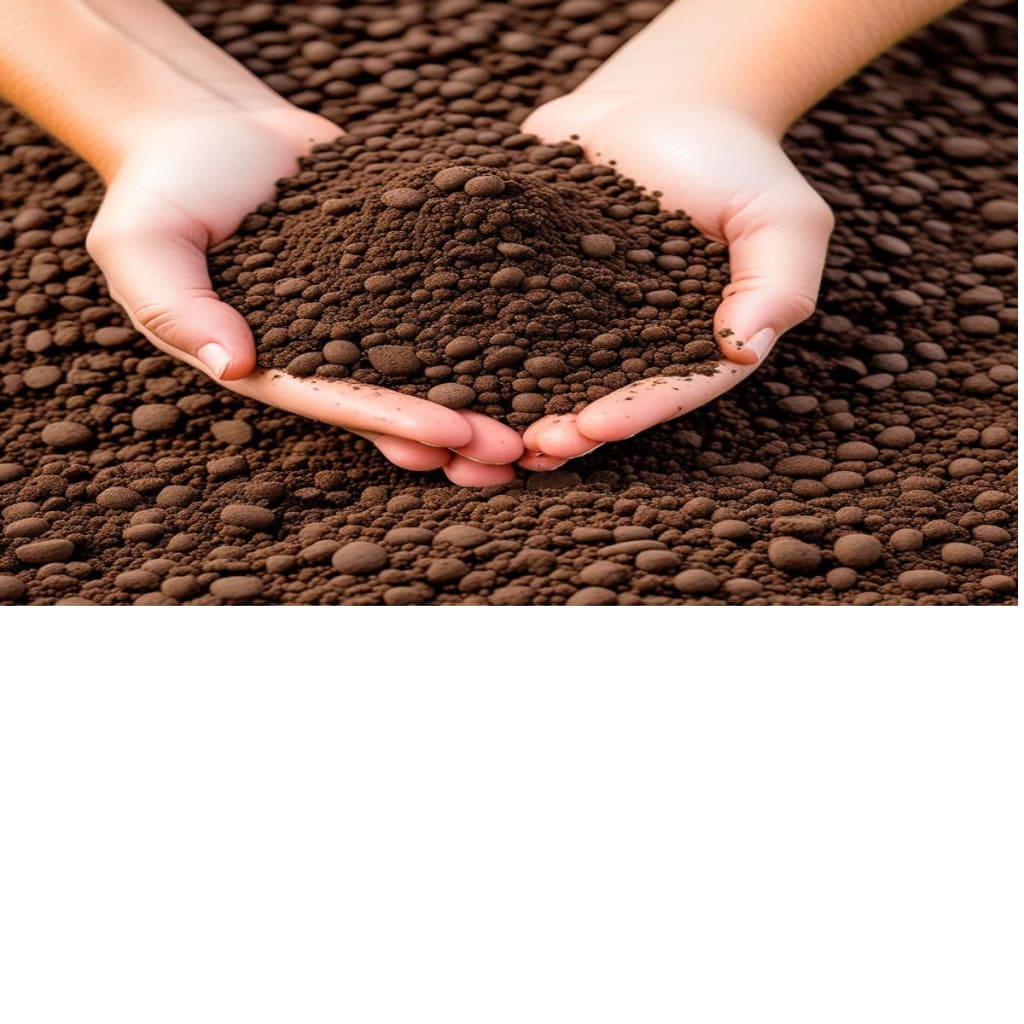
When was the last time you thought about soil? For most people, soil is just dirt—a forgotten element beneath our feet. But here’s the truth: soil health is the foundation of sustainable food systems and the key to addressing some of today’s most pressing environmental and health challenges. In this article, we’ll explore why soil health matters, how it affects your food choices, and what you can do to support sustainable agriculture.
________________________________________
The Hidden Power of Healthy Soil
Healthy soil is teeming with life. It’s a complex ecosystem of microorganisms, minerals, and organic matter that work together to nurture plants. This biodiversity isn’t just beneficial; it’s essential. Healthy soil:
• Boosts Food Quality: Nutrient-rich soil produces crops with higher levels of vitamins and minerals, directly impacting the nutritional value of what ends up on your plate.
• Supports Climate Health: Soil acts as a natural carbon sink, capturing and storing carbon dioxide from the atmosphere. This reduces greenhouse gas emissions and helps combat climate change.
• Prevents Erosion and Water Pollution: Healthy soil retains water, reduces runoff, and minimizes the risk of harmful chemicals entering waterways.
________________________________________
The Alarming State of Our Soil
Unfortunately, soil health is in crisis. Overuse of synthetic fertilizers, pesticides, and monoculture farming practices have depleted soil nutrients and reduced biodiversity. According to the United Nations, nearly one-third of the world’s soil is degraded, making it harder to grow nutritious food sustainably.
This degradation has far-reaching effects:
• Declining Crop Yields: Poor soil produces less food, contributing to global food insecurity.
• Nutritional Deficiencies: Depleted soils result in crops that lack essential nutrients.
• Increased Vulnerability to Climate Change: Degraded soils are less effective at sequestering carbon, exacerbating global warming.
________________________________________
Sustainable Food Choices Begin with the Soil
Making sustainable food choices doesn’t just mean buying organic or local produce. It’s about supporting farming practices that prioritize soil health. Here’s how your choices can make a difference:
1. Support Regenerative Agriculture: Regenerative farming practices, like cover cropping, crop rotation, and reduced tillage, restore soil health and biodiversity. Look for labels or certifications that highlight these practices.
2. Choose Organic When Possible: Organic farming avoids synthetic fertilizers and pesticides, promoting healthier soil ecosystems.
3. Prioritize Local and Seasonal Foods: Local farmers often use sustainable methods and have a smaller environmental footprint. Seasonal foods also reduce the need for soil-depleting farming practices.
4. Grow Your Own Food: Even a small garden can make a difference. Compost kitchen scraps and use organic soil amendments to enrich your soil while reducing waste.
________________________________________
The Connection between Soil and You
Healthy soil doesn’t just impact the environment; it directly affects your health and well-being. Studies have shown that fruits and vegetables grown in nutrient-rich soil contain more antioxidants and essential nutrients. By prioritizing soil-friendly food, you’re investing in your long-term health.
Moreover, soil health has economic and social benefits. Farmers who focus on sustainable practices often enjoy better yields and greater resilience to climate challenges, creating more stable food systems and thriving local economies.
________________________________________
How You Can Advocate for Soil Health
You don’t have to be a farmer to make a difference. Here are actionable steps you can take to promote soil health:
• Educate Yourself: Learn about the impact of soil health on the environment and food systems. Share this knowledge with friends and family.
• Advocate for Policy Change: Support policies that promote sustainable agriculture and soil conservation.
• Reduce Food Waste: Wasted food means wasted resources, including the soil used to grow it. Plan meals and compost scraps to minimize waste.
• Choose Soil-Friendly Products: Seek out brands and companies committed to regenerative farming practices.
________________________________________
The Bigger Picture: A Future Rooted in Healthy Soil
Soil health is more than an environmental issue; it’s a critical component of sustainable living and global food security. By prioritizing soil in your food choices, you’re contributing to a healthier planet and a more resilient food system.
The next time you bite into a crisp apple or savor a fresh salad, take a moment to think about the soil that made it possible. Together, we can ensure that this vital resource thrives for generations to come.
________________________________________
Keywords: soil health, sustainable food choices, regenerative agriculture, healthy soil, food sustainability, environmental impact, organic farming, climate change solutions, local food systems, nutrient-rich crops, soil conservation, zero waste, sustainable agriculture, food security, healthy ecosystem.
About the Creator
Keep reading
More stories from Juliana Ndalnamu and writers in Education and other communities.
Zero Waste Cooking
Have you ever looked at the scraps left behind after preparing a meal and wondered if they could be more than just trash? The surprising answer is yes! With zero-waste cooking, you can transform vegetable peels, stale bread, and other kitchen cast-offs into gourmet meals that are both delicious and sustainable. Not only does this innovative approach reduce food waste, but it also saves money and inspires creativity in the kitchen. Here’s how you can turn what’s often thrown away into culinary treasures.
By Juliana Ndalnamuabout a year ago in Education
A brief history of alcohol
This chimpanzee stumbles across a windfall of overripe plums. Many of them have split open, drawing him to their intoxicating fruity odor. He gorges himself and begins to experience some… strange effects. This unwitting ape has stumbled on a process that humans will eventually harness to create beer, wine, and other alcoholic drinks. The sugars in overripe fruit attract microscopic organisms known as yeasts. As the yeasts feed on the fruit sugars they produce a compound called ethanol— the type of alcohol in alcoholic beverages.
By Munesh Yadava day ago in Education
The Lean Advantage: How Small Improvements Create Massive Business Wins
In today’s fast-moving market, businesses don’t always need massive overhauls to see major growth. The real competitive advantage often comes from Lean process improvement—small, consistent changes that reduce waste, improve speed, and strengthen customer value. With a proactive approach, companies can spot inefficiencies early, prevent recurring problems, and build smarter systems before minor issues become costly setbacks.
By Duke Valentour3 days ago in Education
Smart phones, Humans and Aliens.
WARNING. I will be tapping into one of your favorite creative tensions: The absurdity of humans worshipping their glowing rectangles as if they were tiny oracles. There’s something deliciously poetic about that contradiction, and it lends itself beautifully to an instructive proviso.
By Novel Allen5 days ago in Poets


Comments (1)
Thanks for sharing it.