
Soft Skills vs. Hard Skills: What Employers Value in Graduates
value of skills
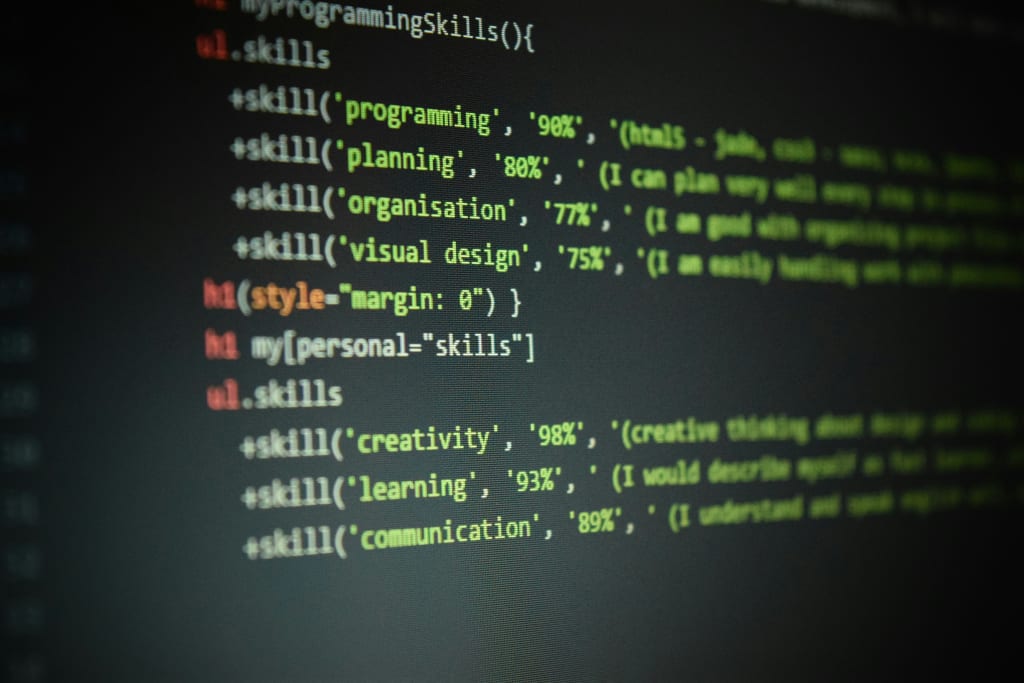
In today’s competitive job market, the debate over what makes a candidate truly employable continues to evolve. For fresh graduates stepping into the professional world, the distinction between soft skills and hard skills is pivotal. While hard skills showcase technical proficiency, soft skills highlight interpersonal capabilities. Striking the right balance between these two can set a graduate apart in an increasingly skill-focused hiring landscape.
Understanding Hard Skills
Hard skills are specific, teachable abilities or knowledge sets that are often measurable and directly related to a particular job or industry. These are typically acquired through formal education, certifications, or training programs. For example:
Technical Expertise: Proficiency in programming languages, accounting software, or design tools.
Industry Knowledge: Understanding specific sectors like finance, healthcare, or IT.
Language Proficiency: Fluency in multiple languages.
Data Analysis: Skills in handling large datasets or using statistical software.
Employers look for hard skills as they demonstrate that a graduate has the technical know-how to perform their role effectively. For instance, a computer science graduate with expertise in Python and cloud computing is likely to be favored for tech roles.
The Growing Importance of Soft Skills
On the other hand, soft skills are intangible attributes that govern how individuals interact with others and approach challenges. They are less about knowledge and more about personality traits, emotional intelligence, and behavior. Examples include:
Communication: The ability to articulate ideas clearly and listen actively.
Teamwork: Collaborating effectively with diverse groups.
Problem-Solving: Thinking critically to overcome challenges.
Adaptability: Thriving in a fast-changing work environment.
Leadership: Inspiring and guiding a team toward shared goals.
Soft skills are particularly vital in today’s workplaces, which are becoming increasingly collaborative and dynamic. Employers value graduates who can not only execute tasks but also navigate interpersonal dynamics and contribute to a positive work culture.
What Employers Truly Value
A Balance of Both: Employers are no longer looking for candidates who excel in just one area. They seek individuals who possess both hard and soft skills, creating a well-rounded professional profile.
For instance, a marketing graduate might have expertise in tools like Google Analytics and SEO (hard skills), but their ability to present data insights compellingly and work with cross-functional teams (soft skills) can make them truly stand out.
Industry-Specific Priorities: Different industries weigh these skills differently. In tech-driven fields like IT or engineering, hard skills like coding or software development are indispensable. However, the ability to collaborate and adapt in a team-oriented environment is equally important. In contrast, industries like customer service, education, and healthcare often prioritize soft skills such as empathy and communication, although foundational hard skills are still required.
The Changing Landscape of Graduate Expectations
With automation and AI transforming workplaces, certain hard skills can quickly become outdated. Soft skills, however, remain timeless and adaptable. As machines handle routine tasks, human qualities like creativity, critical thinking, and emotional intelligence gain prominence.
In addition, as globalization connects diverse cultures, the demand for skills like cross-cultural communication and emotional intelligence has surged. This trend is evident in educational institutions like the Best Boarding School in Prayagraj, where a balanced curriculum emphasizes both academic rigor and personality development.
How Graduates Can Develop These Skills
For students and young professionals, developing both hard and soft skills is essential. Here’s how they can achieve this balance:
Leverage Educational Opportunities: Choose courses or programs that combine technical training with opportunities for collaboration, presentations, and team projects.
Internships and Practical Experience: Real-world experience not only builds technical expertise but also hones interpersonal skills like time management and adaptability.
Engage in Extracurricular Activities: Joining clubs, sports teams, or community service programs fosters leadership, teamwork, and organizational skills.
Seek Feedback: Constructive criticism from peers, mentors, or supervisors can help graduates identify areas for improvement.
Online Resources: Platforms like Coursera, LinkedIn Learning, and Khan Academy offer courses in both technical domains and soft skills like negotiation or emotional intelligence.
The Employer’s Perspective
Employers are increasingly conducting behavioral interviews, group exercises, and scenario-based tests to assess a candidate's soft skills. While resumes and portfolios showcase hard skills, these interactive assessments reveal how well a graduate can communicate, solve problems, and adapt to real-world challenges.
Moreover, many companies emphasize continuous learning. Graduates who demonstrate a growth mindset and eagerness to learn—both hard and soft skills—are seen as valuable long-term assets.
Conclusion
The debate between soft skills and hard skills is not about choosing one over the other; it’s about understanding how they complement each other. For graduates stepping into the workforce, mastering hard skills provides a foundation for technical competence, while soft skills enable them to navigate the complexities of modern workplaces.
Institutions like the Best Boarding School in Prayagraj are playing a pivotal role by nurturing both these aspects in their students, ensuring they are well-equipped for the challenges and opportunities of the future.
By cultivating this dual expertise, graduates can not only meet employer expectations but also excel in their careers, making a meaningful impact in their chosen fields.
About the Creator
Keep reading
More stories from digital work and writers in Education and other communities.
Can Stand-Up Comedy Improve Public Speaking Skills in Students?
Public speaking is a vital skill that can significantly impact a student's academic, professional, and personal life. However, for many students, speaking in front of an audience can be an intimidating experience. Traditional methods of teaching public speaking often focus on structure, delivery, and content, but there is a growing interest in using unconventional approaches like stand-up comedy to build confidence and communication skills.
By digital workabout a year ago in Education
Top 10 SEO Experts In Pakistan In 2026
Introduction Search optimization in 2026 no longer revolves around keywords or isolated ranking tactics. Google’s AI Overviews, entity-based indexing, and answer-first systems have changed how visibility is earned. Search engines now evaluate meaning, credibility, and contextual authority rather than mechanical signals.
By Sajid Ali Shar4 days ago in Education
Colors and Such
Before I retired in 2020, I worked as a Nursing instructor in one of the nation's largest community colleges. It was a job I thoroughly enjoyed for fifteen years because I had a heart for the students and genuinely wanted to invest in them and their futures.
By Shirley Belk6 days ago in Education


Comments
There are no comments for this story
Be the first to respond and start the conversation.