
Smoking in public places should be banned
Smoking in public places should be banned
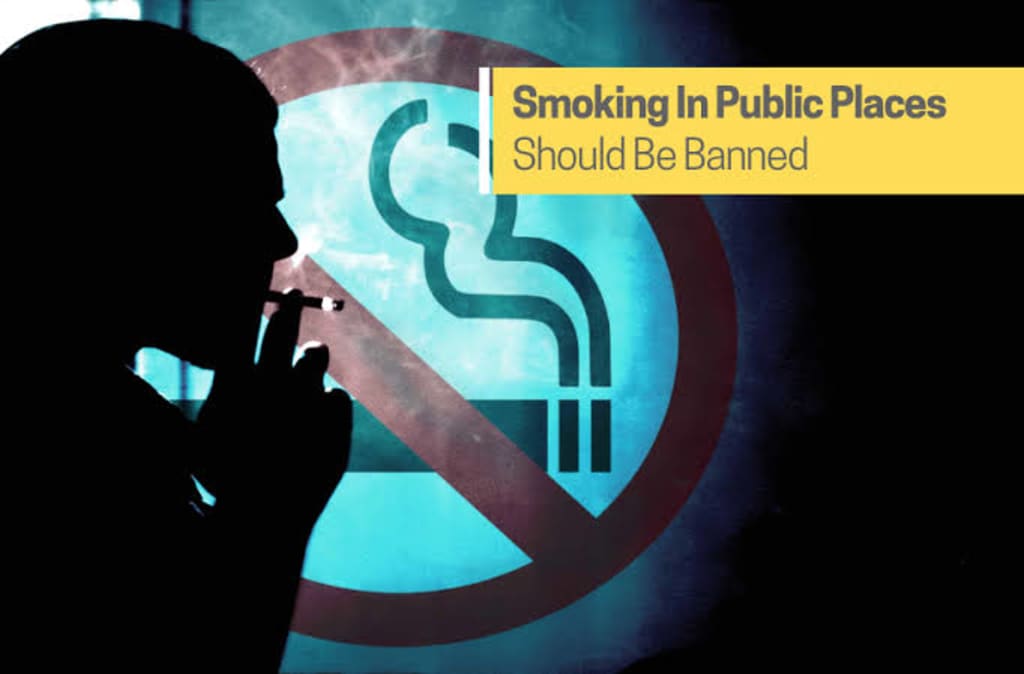
Smoking has been a controversial issue for decades, with proponents and opponents of this habit. One of the primary concerns regarding smoking is the impact of second-hand smoke on non-smokers. Second-hand smoke can have adverse effects on the health of non-smokers, leading to respiratory and cardiovascular diseases, and even lung cancer. Therefore, there has been an ongoing debate on whether smoking should be banned in public places, such as parks, sidewalks, and restaurants.
There are several reasons why smoking in public places should be banned. The first reason is related to the health effects of second-hand smoke. As previously mentioned, second-hand smoke can cause several health problems for non-smokers, including respiratory illnesses and lung cancer. It is estimated that second-hand smoke causes more than 41,000 deaths each year in the United States alone, making it a serious public health concern. By banning smoking in public places, non-smokers can be protected from the harmful effects of second-hand smoke, which can contribute to a healthier population.
The second reason why smoking in public places should be banned is that it can reduce litter and improve the environment. Cigarette butts are the most common form of litter, and they take years to break down. In addition, cigarette filters are made of plastic, which does not decompose easily and can cause harm to wildlife. By banning smoking in public places, the number of cigarette butts and other litter generated by smoking can be reduced, contributing to a cleaner and healthier environment.
The third reason for banning smoking in public places is that it can discourage smoking and promote healthy behaviors. Smoking in public places can normalize smoking, making it seem like a socially acceptable behavior. However, by banning smoking in public places, smokers are forced to reconsider their habits and potentially quit smoking. In addition, seeing fewer people smoke in public places can also discourage young people from picking up the habit, which can lead to long-term health benefits for the population.
Furthermore, banning smoking in public places can also have economic benefits. According to a study by the World Health Organization, the cost of smoking-related illnesses, including healthcare costs and lost productivity, is estimated to be more than $1 trillion each year. By reducing smoking and second-hand smoke exposure, the number of smoking-related illnesses can be reduced, potentially leading to cost savings in the long run.
There are, of course, some arguments against banning smoking in public places. One argument is that it infringes on the rights of smokers, who have the right to smoke wherever they choose. However, this argument overlooks the rights of non-smokers, who have the right to breathe clean air and not be exposed to the harmful effects of second-hand smoke. In addition, smokers can still choose to smoke in private places, such as their homes or in designated smoking areas.
Another argument against banning smoking in public places is that it can lead to increased smoking in private spaces. However, the evidence does not support this claim. Studies have shown that smoking bans in public places are associated with reduced smoking prevalence and lower tobacco consumption. In addition, smoking bans can also encourage smokers to quit smoking or switch to alternative forms of nicotine, such as e-cigarettes or nicotine gum.
In conclusion, smoking in public places should be banned to protect the health of non-smokers, reduce litter and improve the environment, promote healthy behaviors, and potentially save costs related to smoking-related illnesses. While there are some arguments against banning smoking in public places, the benefits of such a ban outweigh the costs. By working together, governments, organizations, and individuals can create a healthier and safer environment for everyone.
About the Creator
Keep reading
More stories from Raushan raj and writers in Education and other communities.
Should plastic be banned?
Plastic is a ubiquitous material used in everyday life. It has a wide range of applications, including packaging, construction, and consumer products. However, the overuse of plastic has led to a significant environmental problem. Plastic pollution has become a serious concern, and many people are advocating for the ban of plastic. In this article, we will discuss the reasons why plastic should be banned and the potential benefits of doing so.
By Raushan raj 3 years ago in Education
NCLEX Study Plan: A Step-by-Step Guide for Nursing Students
Preparing for the NCLEX-RN is one of the most important milestones in the nursing students’ career. This is because the NCLEX is the final step before nursing students can become licensed nurses. However, it is not as easy as simply reading nursing textbooks and taking notes from class lectures. This is because the NCLEX is designed to test the nursing students’ clinical judgment and decision-making skills.
By Sulcus Learninga day ago in Education
The Value of Hard Work
Hard work is one of the most important qualities for success in life. It means putting effort, time, and dedication into our tasks and responsibilities. Many people dream of becoming successful, but success does not come easily. It requires patience, determination, and continuous effort. Hard work helps people achieve their goals and build a better future. It also teaches discipline and responsibility, which are necessary for personal and professional growth.
By aadam khan6 days ago in Education




Comments
There are no comments for this story
Be the first to respond and start the conversation.