
Sleep Myths Debunked:
The Truth About Your Nightly Rest"

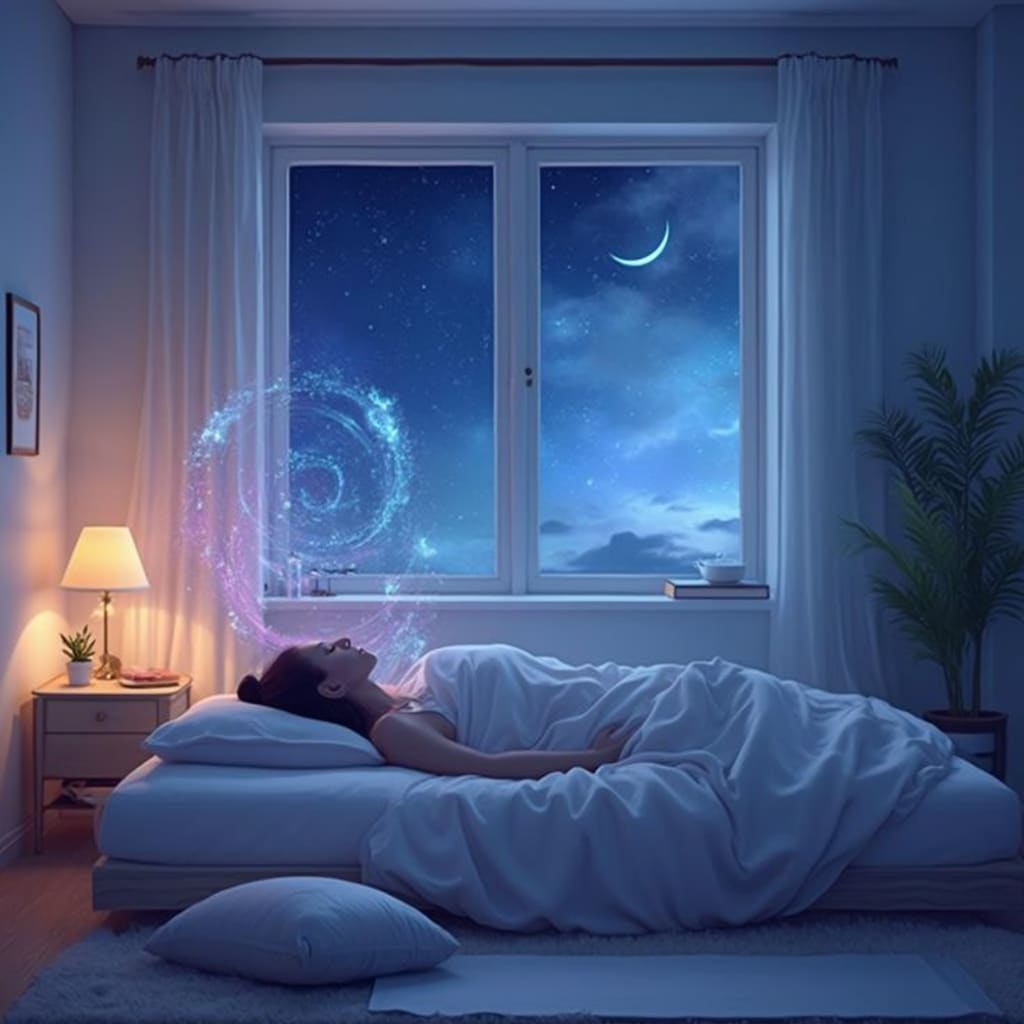
We’ve all heard them—old wives’ tales, well-meaning advice, and TikTok hacks about sleep. But how much of it is actually true? Let’s separate fact from fiction with insights from sleep experts Dr. Girardin Jean-Louis (circadian health researcher) and Dr. Rebecca Robbins (Harvard sleep scientist).
Myth 1: "Hitting Snooze Gives You Extra Rest"
Reality: Snoozing fragments your sleep, robbing you of REM sleep—the phase critical for memory and mood. Those extra 9 minutes? They’re low-quality sleep that leaves you groggier.
✅ Fix: Set your alarm for the latest possible time and commit to waking up immediately.
Myth 2: "Sleeping Positions Don’t Matter"
Reality: They do!
Side sleeping (most common) is great for spine alignment and reducing sleep apnea.
Back sleeping can worsen snoring.
Stomach sleeping strains your neck.
🤰 Pregnant? Sleep on your left side to improve circulation.
Myth 3: "If You Snore, You Have Sleep Apnea"
Reality: Snoring can signal obstructive sleep apnea (a life-threatening condition), but not always.
🚨 Red flags: Gasping for air at night or daytime exhaustion. See a doctor if these apply!
Myth 4: "Dreams Only Last Seconds"
Reality: Dreams can span minutes—or feel like hours. We dream 4–5 times/night, mostly during REM sleep.
📓 Pro tip: Keep a dream journal to spot patterns (or just entertain yourself).
Myth 5: "Insomnia = Can’t Fall Asleep"
Reality: Insomnia has two types:
Sleep-onset (trouble falling asleep).
Sleep-maintenance (waking up repeatedly).
💡 Solution: Cognitive Behavioral Therapy for Insomnia (CBT-I) works better than pills long-term.
Myth 6: "Napping Makes Up for Lost Sleep"
Reality: Naps help—if done right.
Ideal nap: 20 minutes (set an alarm!).
Avoid long naps—they disrupt nighttime sleep.
Myth 7: "Melatonin Knocks You Out Instantly"
Reality: Melatonin is a sleep regulator, not a sedative.
Take it 2–4 hours before bed.
Dose matters: 0.5–3 mg is plenty (most OTC pills are overdosed).
Myth 8: "Nightmares = Night Terrors"
Reality:
Nightmares are bad dreams (you remember them).
Night terrors are violent, thrashing episodes (common in kids; scary to watch).
❄️ Fun fact: Sleeping in a cool room (68°F) reduces nightmares! 9. "Alcohol Helps You Sleep Better"
Reality: While alcohol may make you fall asleep faster, it disrupts REM sleep—leading to poorer-quality rest and next-day fatigue.
10. "You Can Train Yourself to Need Less Sleep"
Reality: Chronic sleep deprivation harms cognition, immunity, and longevity. Most adults need 7–9 hours—no shortcuts.
11. "Watching TV in Bed Helps You Relax"
Reality: Blue light from screens suppresses melatonin, delaying sleep. Opt for a book or calming music instead. 12. "Counting Sheep Helps You Fall Asleep"
Reality: This age-old advice may actually keep you awake longer. A 2002 Oxford study found people who imagined relaxing scenes (like a beach) fell asleep 20 minutes faster than those counting sheep.
✅ Better hack: Visualize yourself in a peaceful setting with all sensory details (sound of waves, smell of salt air).
13. "You Can Catch Up on Sleep Over the Weekend"
Reality: While sleeping in helps temporarily, it doesn't reverse all effects of weekday sleep deprivation. Research shows it takes 4 days to recover from just 1 hour of lost sleep.
⚠️ Consequence: Chronic "social jet lag" (different sleep schedules on weekdays vs weekends) increases diabetes and heart disease risk.
14. "Older People Need Less Sleep"
Reality: Sleep needs remain consistent in adulthood (7-9 hours). What changes:
More frequent awakenings (due to lighter sleep)
Earlier circadian rhythm (naturally waking earlier)
Less deep sleep (but still equally important)
💡 Solution: Seniors should maintain consistent bedtimes and optimize sleep environment for uninterrupted rest.
Bonus Pro Tip: The 90-minute sleep cycle rule - waking at the end of a cycle (after 6, 7.5, or 9 hours) reduces grogginess versus waking mid-cycle.
The Bottom Line
Sleep isn’t one-size-fits-all. Morning larks and night owls can thrive—just sync with your natural rhythm. Prioritize consistency over binge-sleeping, and ditch the myths sabotaging your rest.
Now go get that quality Zzz’s! 🛌✨
About the Creator
Hermogene NTWALI
A neutralist, healthier and mentor
Keep reading
More stories from Hermogene NTWALI and writers in Education and other communities.
The Hidden Truth in My Grandfather’s Pocket Watch
"Some legacies aren’t passed down in stories or photo albums—they’re buried in silence. I discovered this the day I found the note hidden inside my grandfather’s pocket watch, six words that unraveled our family’s carefully constructed history."
By Hermogene NTWALI11 months ago in Fiction
How Binocular Astronomy Compares to Telescopes
Understanding the Basics: How Each Instrument Works Both binoculars and telescopes collect and magnify light from distant objects. The main goal is simple: gather more light than your eyes alone can collect and make distant objects appear closer.
By shahkar jalal8 days ago in Education




Comments
There are no comments for this story
Be the first to respond and start the conversation.