
Sleep Deprivation: Unmasking the Hidden Dangers That Impact Your Brain and Body
How Sleep Deprivation Wreaks Havoc on Your Brain and Body

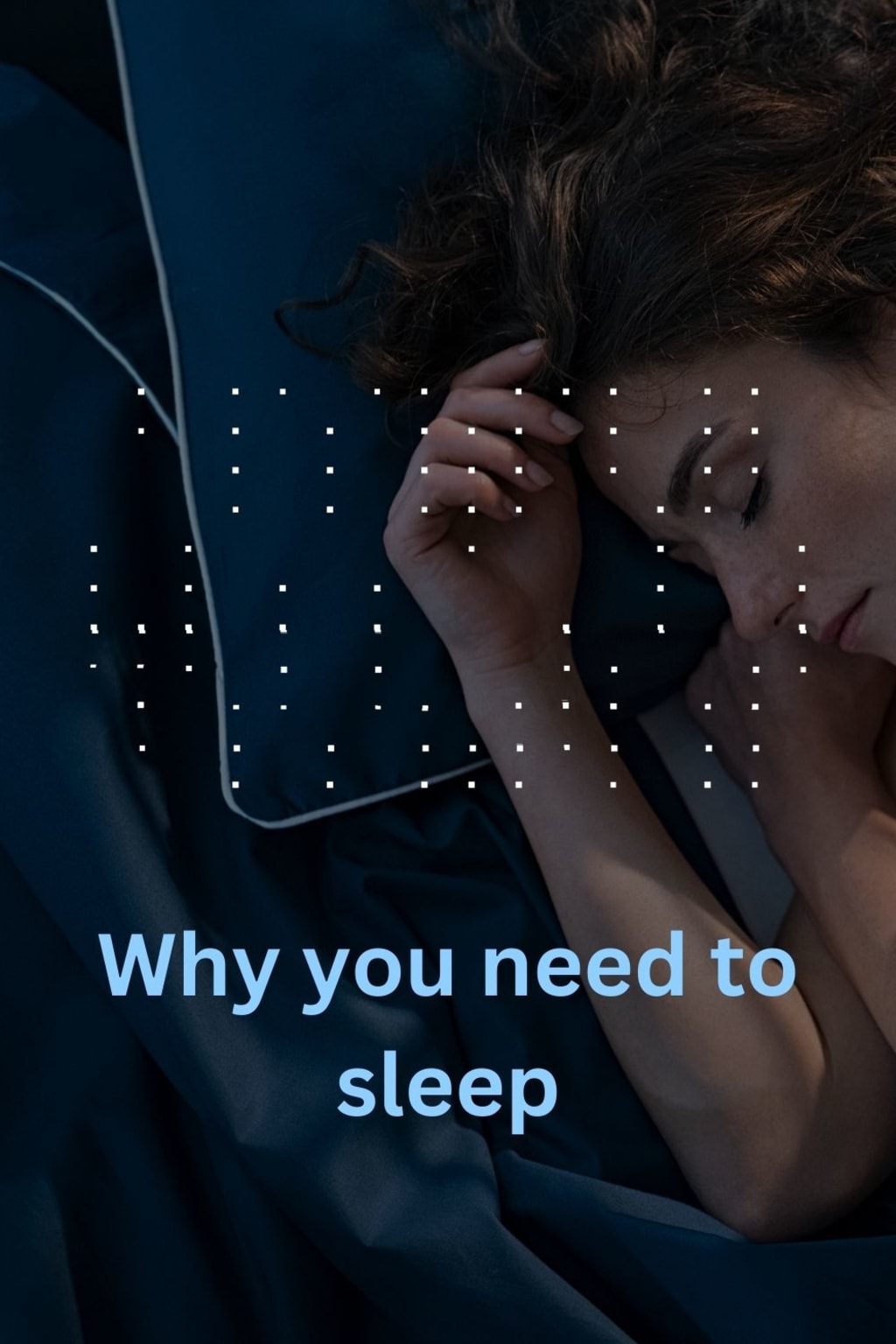
You know that awful feeling you get when you're sleep-deprived? Your brain feels fuzzy, your body aches with fatigue, and you could literally fall asleep anywhere. In our modern, fast-paced society, it has become a common struggle to get a full night's rest. However, the consequences of sleep deprivation extend far beyond feeling groggy the next day. Researchers are now uncovering the profound impacts that sleep deprivation can have on both our bodies and our brains, with real-life examples highlighting the urgency of addressing this issue.
When we sleep, our bodies embark on a remarkable journey of repair and rejuvenation.
Sleep is not merely a time for our bodies to shut down. It is a vital process for our continued survival. Just think about it: virtually every creature on Earth sleeps. We now understand that sleep offers numerous benefits for our physical and mental health. When we sleep, our bodies embark on a remarkable journey of repair and rejuvenation. Human growth hormone is released, allowing muscles to grow and damaged tissues to be replaced. Hormones are produced, and cells prepare themselves for the challenges of the following day.
Simultaneously, our brains are hard at work during sleep, processing the vast amounts of information they have collected throughout the day. Think of it as a kind of mental housekeeping. The brain meticulously sorts through the experiences, thoughts, and emotions we've encountered, determining what's important and needs to be retained, and discarding what is irrelevant. “Read more of this on my story tittled "Memory Chronicles: Unveiling the Mysteries of Remembering." Anyways… lets continue. So, It's like the brain is a sophisticated filing system, organizing memories and making sense of the world around us. Moreover, during sleep, the brain performs physical repairs on itself.
To truly appreciate the impact of sleep deprivation, let's examine a real-life example. Consider the case of Sarah, a young professional working in a high-stress job. Due to long work hours and demanding deadlines, Sarah often sacrifices sleep to meet her responsibilities. Over time, she starts experiencing memory problems and struggles to concentrate. She finds it challenging to recall important details from meetings, and her performance at work begins to suffer. This lack of focus and mental clarity hinders her ability to make critical decisions. Sarah's story demonstrates how sleep deprivation can have tangible effects on cognitive function, impairing memory, attention, and decision-making skills.
But the consequences of sleep deprivation extend beyond cognitive impairments. Research conducted in Italy provides us with another eye-opening example. In the study, scientists examined mammalian brains during sleep, specifically focusing on the behavior of glial cells. Glial cells play a crucial role in brain health by supporting and protecting neurons. The study involved different groups of mice: a control group allowed to sleep normally, a group with intermittent sleep interruptions, a group representing short-term sleep deprivation, and a group representing chronic sleep deprivation.
In sleep-deprived brains, Astrocytes devour synapes instead of rewiring them.
What the researchers discovered was striking. In sleep-deprived brains, the astrocytes, a type of glial cell responsible for rewiring synapses, started behaving like microglial cells. Instead of rewiring synapses, they began devouring them. This uncontrolled activity was significantly higher in sleep-deprived brains compared to well-rested ones. The consequences of this excessive synaptic pruning can be severe, as it has been linked to neurodegenerative conditions like Alzheimer's disease. This study underscores the importance of understanding the long-term implications of sleep deprivation on brain health.
To further illustrate the health risks associated with sleep deprivation, let's examine a different scenario. Meet John, a middle-aged individual who consistently sacrifices sleep to meet the demands of his busy lifestyle. Over time, John notices a decline in his physical health. He experiences chronic fatigue, muscle soreness, and headaches. His blood pressure begins to rise, increasing his risk of cardiovascular problems. Additionally, John's immune system weakens, and he finds himself falling ill more frequently. These real-life examples demonstrate the far-reaching effects of sleep deprivation on our overall health and well-being.
Moreover, sleep deprivation has been linked to an increased risk of diabetes and depression. The disruption of sleep patterns affects the body's ability to regulate glucose levels, potentially leading to insulin resistance and the development of diabetes. On the mental health front, insufficient sleep disrupts the delicate balance of neurotransmitters in the brain, contributing to mood disorders such as depression and anxiety. It's not uncommon for individuals suffering from chronic sleep deprivation to experience heightened irritability, mood swings, and a general sense of unease.
Now, imagine a scenario where sleep deprivation takes a toll on both physical and mental health simultaneously. Meet Lisa, a college student juggling multiple responsibilities. She frequently pulls all-nighters to complete assignments and study for exams. As a result, her sleep becomes irregular and fragmented. Over time, Lisa's immune system weakens, leaving her susceptible to frequent bouts of illness. The combination of physical exhaustion and mental strain affects her emotional well-being, leading to periods of anxiety and even episodes of depression. Lisa's story highlights the interconnectedness of physical and mental health, both of which are profoundly impacted by sleep deprivation.
To fully grasp the urgency of addressing sleep deprivation, we need to acknowledge that the consequences extend beyond the individual level. Imagine a society where a significant portion of the population is sleep-deprived. Workplaces would experience decreased productivity, increased accidents, and more errors. The healthcare system would be burdened by the rise in chronic health conditions associated with sleep deprivation. The ripple effects would be felt across various sectors, hindering progress and innovation.
So, what can we do to combat the pervasive issue of sleep deprivation? It starts with prioritizing sleep as an essential pillar of health. We need to cultivate healthy sleep habits, creating an environment conducive to restful sleep. This may involve setting consistent bedtimes, creating a relaxing sleep routine, and ensuring our sleeping environment is comfortable and free from distractions. It's also crucial to recognize when our lifestyles or work demands are compromising our sleep and make necessary adjustments.
Furthermore, promoting awareness and education about the importance of sleep is key. Employers can play a role by implementing policies that prioritize work-life balance and encourage employees to take breaks and get adequate sleep. Educational institutions can include sleep hygiene in their curriculum, teaching students the value of prioritizing sleep for optimal academic performance and overall well-being. Media platforms can contribute by spreading information about the dangers of sleep deprivation and sharing real-life stories that resonate with readers.
In conclusion, sleep deprivation is a pervasive problem in our fast-paced society, with profound consequences for our brains and bodies. The example of Sarah, John and Lisa, all illustrate the tangible impact of sleep deprivation on cognitive function, physical health, and mental well-being. By prioritizing sleep and cultivating healthy sleep habits, we can protect our brain health, enhance our overall functioning, and reduce the risk of developing chronic health conditions. It is time to acknowledge the importance of sleep and work collectively to ensure that adequate rest becomes a priority in our lives. Unmasked are the hidden dangers of sleep deprivation, Let’s take this seriously and pave the way for a healthier, more vibrant future.
About the Creator
Kesa Rweya
Meet me, a master weaver of words. Enter my world of ignited stories & melancholic dark poems, soaring minds, and blurred reality. Join me in my space where words unravel your imaginations. Welcome to the power of storytelling!
Keep reading
More stories from Kesa Rweya and writers in Education and other communities.
"Why Countries Are Taking Aim at TikTok: Unveiling the Reasons Behind Bans"
In this attention-driven world, one app stands out in keeping us glued to our phones like no other - TikTok. However, could this seemingly harmless entertainment platform pose a threat to national security? Join us as we delve into the captivating reasons why countries are attempting to ban TikTok, unraveling a story filled with intrigue, real-life examples, and up-to-date information.
By Kesa Rweya3 years ago in Education
Wuthering Heights uni module given content warning for students"
The 1847 novel Wuthering Heights has long been considered one of the most intense works in English literature. Written by Emily Brontë, the book explores obsession, revenge, cruelty and emotional torment on the Yorkshire moors. Now, nearly two centuries after its publication, the novel has become the center of a modern academic debate after a university module introduced a content warning for students studying the text.
By Fiaz Ahmed 4 days ago in Education
EdTech for Early Childhood Market to hit USD 55.6 Bn By 2034
EdTech for Early Childhood Market Overview The EdTech for Early Childhood Market was valued at USD 13.4 billion in 2024 and is projected to reach approximately USD 55.6 billion by 2034, expanding at a CAGR of 15.30% from 2025 to 2034. The increasing integration of digital learning tools into early childhood education is supporting this expansion. Educational technology platforms designed for young learners are helping educators deliver interactive learning experiences through digital content, educational games, and adaptive learning applications that support cognitive and language development.
By Roberto Crumabout 10 hours ago in Education
A Transparent Look at Vocal Challenges and Top Stories
Almost three years ago, we shared a resource article that served as a place for people to suggest new challenge prompts. We thought it would be a good idea to refresh that thread, and take the opportunity to answer a few common questions about top stories, how challenges are judged and how submissions are reviewed.
By Vocal Curation Team4 days ago in Resources



Comments
There are no comments for this story
Be the first to respond and start the conversation.