
SEO(Search Engine Optimization)
Improve your Quality and Quantity of your Website!
SEO-Search Engine Optimization
Why SEO?
1. Increased website visibility: SEO can help increase a website's visibility and ranking in search engine results pages, making it more easily discoverable by users.
2. Targeted traffic: SEO targets users who are actively searching for products or services related to a business, providing highly-qualified and motivated potential customers.
3. Cost-effective marketing: Compared to paid advertising options like PPC, SEO is a cost-effective way to drive traffic to a website and improve its visibility in search results.
4. Improved user experience: By optimizing a website for search engines and users, the overall user experience can be improved, leading to increased engagement and conversion rates.
5. Better return on investment: SEO can provide a better return on investment compared to other forms of digital marketing, as it targets users who are already interested in a business's products or services.
6. Increased brand credibility: High rankings in search results can increase a brand's credibility and trust in the eyes of users.
7. Long-term benefits: SEO provides long-term benefits as opposed to short-term advertising campaigns, as it can improve a website's visibility and ranking in search results over a long period of time.
How to start career with SEO?
1. Learn the basics: Acquire a solid understanding of search engine algorithms, ranking factors, and best practices for optimization.
2. Stay updated: Keep up with industry changes and updates by reading SEO blogs, attending events and conferences, and following industry leaders on social media.
3. Gain hands-on experience: Start optimizing your own website or work on optimization projects for friends or family members to gain practical experience.
4. Build a portfolio: Document your optimization work and case studies to showcase your skills to potential clients or employers.
5. Network: Attend industry events, connect with other SEO professionals, and participate in online forums to expand your network.
6. Consider certifications: Consider getting certified through a recognized organization such as MOZ or Google to demonstrate your expertise.
7. Offer services: Offer optimization services to small businesses, freelancing or start your own agency.
8. Measure and track your progress: Regularly track your progress and use tools such as Google Analytics to measure the success of your efforts.
9. Continuously learn: SEO is constantly evolving, so make sure to continuously learn and stay updated on industry changes and best practices.
Basics for Search Engine Optimization:
1. Moz:
Moz is a leading provider of SEO software and services, offering tools for keyword research, link building, website audit, and more. They also have a blog that provides industry news, best practices, and in-depth guides on a variety of SEO topics.
2. Search Engine Journal:
Search Engine Journal is a digital media company that provides news, analysis, and tutorials on the latest SEO and search marketing trends. They have a blog that covers a wide range of SEO topics, including search algorithms, link building, keyword research, and more.
3. Neil Patel Digital:
Neil Patel is a well-known SEO and digital marketing expert, and his company, Neil Patel Digital, offers a range of services and resources for improving website traffic and visibility. Their blog provides actionable tips, case studies, and advice for improving your website's search engine optimization.
SEO for entrepreneurs can help improve their website's visibility and attract more relevant, targeted traffic to their website. Here are a few tips for entrepreneurs looking to improve their SEO:
1. Keyword research: Conduct keyword research to determine the relevant keywords and phrases to target in your content.
2. On-page optimization: Optimize your website's content and structure for both search engines and users. This includes things like title tags, meta descriptions, and header tags.
3. Content creation: Create high-quality, valuable content that addresses the needs and interests of your target audience.
4. Link building: Build high-quality backlinks from other relevant websites to your site to demonstrate its authority and credibility to search engines.
5. Mobile optimization: Ensure your website is optimized for mobile devices, as a growing number of users are accessing the internet on their smartphones.
6. Monitor and measure results: Regularly monitor your website's SEO performance and adjust your strategies based on the results.
By following these tips and staying up-to-date with the latest SEO best practices, entrepreneurs can improve their website's visibility, attract more targeted traffic, and ultimately grow their business.
5 Common Mistakes to Avoid in Search Engine Optimization:
Ignoring keyword research: Failing to conduct thorough keyword research can result in targeting the wrong keywords and missing out on valuable traffic.
Overuse of keywords: Overloading a page with keywords (known as "keyword stuffing") can negatively impact a website's ranking and damage its credibility with users.
Not optimizing for mobile: With an increasing number of users accessing the internet on mobile devices, neglecting to optimize a website for mobile can result in a poor user experience and lower rankings.
Neglecting on-page optimization: On-page optimization, such as proper use of title tags, meta descriptions, and header tags, can greatly impact a website's ranking and visibility in search results.
Ignoring website speed: A slow-loading website can result in higher bounce rates and lower rankings. It's important to optimize website speed and performance to provide a positive user experience and improve SEO.
Avoiding these common SEO mistakes and staying up-to-date with best practices can help improve a website's search engine visibility and attract more targeted, relevant traffic.
Few tips for disclosing paid or sponsored content in SEO:
Clearly label sponsored content: Use clear, concise language to indicate that the content is sponsored or paid for, such as "sponsored post" or "advertising."
Provide disclosure in a prominent location: Ensure that the disclosure is easily noticeable and visible to users, such as in the beginning or end of the content.
Use nofollow links: If you are linking to a sponsored website or page, use a "nofollow" attribute to indicate to search engines that the link should not be followed.
Follow advertising and legal guidelines: Follow relevant advertising and legal guidelines in your country or region, such as the Federal Trade Commission (FTC) guidelines in the US.
Be transparent and truthful: Be transparent and truthful about your relationships with sponsors or advertisers and avoid misleading users.
Disclosing paid or sponsored content in an ethical and transparent manner is important for maintaining credibility and trust with users, as well as following advertising and legal guidelines.
About the Creator
Keep reading
More stories from writers in Education and other communities.
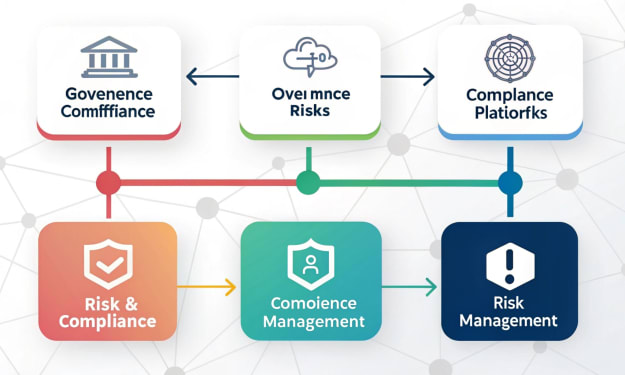
Governance Risk and Compliance Platforms Supporting Secure and Compliant Operations
Governance, risk and compliance platforms have become essential tools for organizations navigating complex operational, regulatory, and digital environments. These platforms help businesses establish clear governance structures, identify and manage risks, and ensure compliance with evolving regulations. As organizations face increasing pressure to protect sensitive data, maintain transparency, and meet regulatory obligations, governance, risk and compliance platforms provide a structured and integrated approach to managing these challenges.
By Bobby Yadav5 minutes ago in Education
Trouble at the Tea Leafing Café
The rain had started right around the time that Annie was buttering her second thick slice of homemade toast for breakfast, and hadn’t paused since. Not that anyone could tell. The windows of the café were fogged over, and with every seat filled with happy customers munching on fresh baked pastries or steaming bowls of the delicious soup of the day, it was hardly surprising. Annie looked around the room, finally taking a moment to breathe after the lunch time rush. Her old life already felt like a bad memory, a part of her history, always, but just that. History.
By Hannah Moore4 days ago in Fiction


Comments
There are no comments for this story
Be the first to respond and start the conversation.