

1) Understanding the Latest Cybersecurity Threats.
Understanding the latest cybersecurity threats is crucial for securing your business in the digital age. As technology evolves and becomes more integrated into our daily lives, so do the methods used by cybercriminals to gain unauthorized access to sensitive information. Some of the most common and recent cybersecurity threats include:

- Ransomware: This type of malware encrypts a victim's files and demands payment in exchange for the decryption key.
- Phishing: This is a tactic used by cybercriminals to trick individuals into revealing sensitive information, such as passwords or credit card numbers.
- Advanced persistent threats (APTs): These are highly targeted attacks that are typically launched against specific organizations or individuals.
- IoT threats: As Internet of Things (IoT) devices become more prevalent in homes and businesses, they also become a new attack vector for cybercriminals.
- Social engineering: This is a tactic that uses psychological manipulation to trick individuals into divulging sensitive information.
2) Creating a Strong Password Policy.
Creating a strong password policy is an essential step in securing your business in the digital age. A strong password policy ensures that all employees use secure and unique passwords for their accounts, which can greatly reduce the risk of unauthorized access to sensitive information.

Here are some key elements to include in a strong password policy:
- Passwords should be a minimum of 8 characters long and include a mix of uppercase and lowercase letters, numbers, and special characters.
- Passwords should be changed regularly, at least every 90 days.
- Passwords should not be shared among employees or written down and left in plain view.
- Passwords should not be based on easily guessable information, such as a person's name or birthdate.
- Passwords should not be reused across multiple accounts.
- Two-factor authentication should be enabled wherever possible.
3) Implementing Multi-Factor Authentication.
Implementing multi-factor authentication (MFA) is a crucial step in securing your business in the digital age. MFA adds an extra layer of security to the traditional username and password authentication process by requiring the user to provide an additional form of verification, such as a fingerprint, face scan, or one-time code sent to their phone.
MFA can be implemented in different ways, depending on the needs of your organization and the systems you use. Some examples include:
- SMS-based authentication, where a one-time code is sent to the user's phone via text message.
- App-based authentication, where a one-time code is generated by a mobile app
- Biometric authentication, where a fingerprint, face scan or any other biometric data is used for authentication.
4) Securing Your Cloud Services.
Securing your cloud services is an essential step in protecting your business in the digital age. As more and more businesses move to the cloud, it's important to understand the risks and take the necessary steps to secure your data and applications.
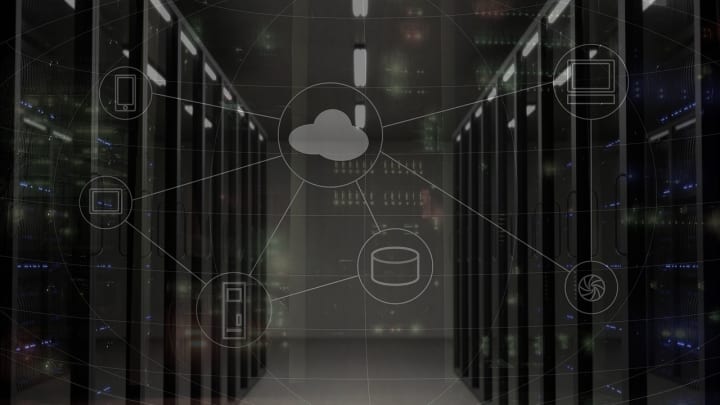
Here are some key steps to take when securing your cloud services:
- Use a reputable and secure cloud provider: Make sure to choose a cloud provider that has a good reputation and a strong track record of security. Look for providers that are certified under industry standards such as ISO 27001, SOC 2, and PCI DSS.
- Use multi-factor authentication: Implement multi-factor authentication (MFA) for all cloud-based services, such as email and file storage. This will greatly reduce the risk of unauthorized access to your data.
- Encrypt your data: Make sure to encrypt all sensitive data that is stored in the cloud. This will help to protect your data in case of a breach.
- Use a virtual private network (VPN): Use a VPN to encrypt data in transit and protect it from eavesdropping or tampering.
- Regularly monitor and audit your cloud services: Regularly monitor and audit your cloud services to detect any security issues or unauthorized access attempts.
- Have a disaster recovery plan: Make sure to have a disaster recovery plan in place in case of an outage or data loss.
About the Creator
Keep reading
More stories from Devananth A and writers in Education and other communities.
Review about "Brain Food"
The Surprising Science of Eating for Cognitive Power" by Lisa Mosconi is a fascinating and informative book that delves into the connection between food and brain health. Mosconi, a neuroscientist, presents a comprehensive and evidence-based approach to understanding how what we eat affects our cognitive function and overall brain health.
By Devananth A3 years ago in Lifehack
Top 4 AI certifications to Land High-Paying Jobs in 2026
With artificial intelligence becoming a core business necessity in 2026, and organizations moving towards Agentic AI systems along with specialized infrastructure, the demand for professionals who can build, deploy, integrate, and even use these intelligent systems is growing.
By Anu shreyaabout 10 hours ago in Education
Designing a Meaningful Future: Strategic Planning for Mission-Focused Entrepreneurs
In today’s evolving business landscape, entrepreneurs are increasingly motivated by more than financial success. Many are building companies around a mission to create social, environmental, or community-driven impact. While passion and vision ignite these ventures, strategic planning transforms purpose into a lasting, scalable business. For mission-focused entrepreneurs, planning is not about restriction but about clarity, alignment, and sustainable growth.
By Mario Payne5 days ago in Education




Comments
There are no comments for this story
Be the first to respond and start the conversation.