
Secrets to Impressing Ivy League Admissions with Your Personal Statement
Unlock the key strategies to craft a compelling personal statement that captures the attention of Ivy League admissions committees

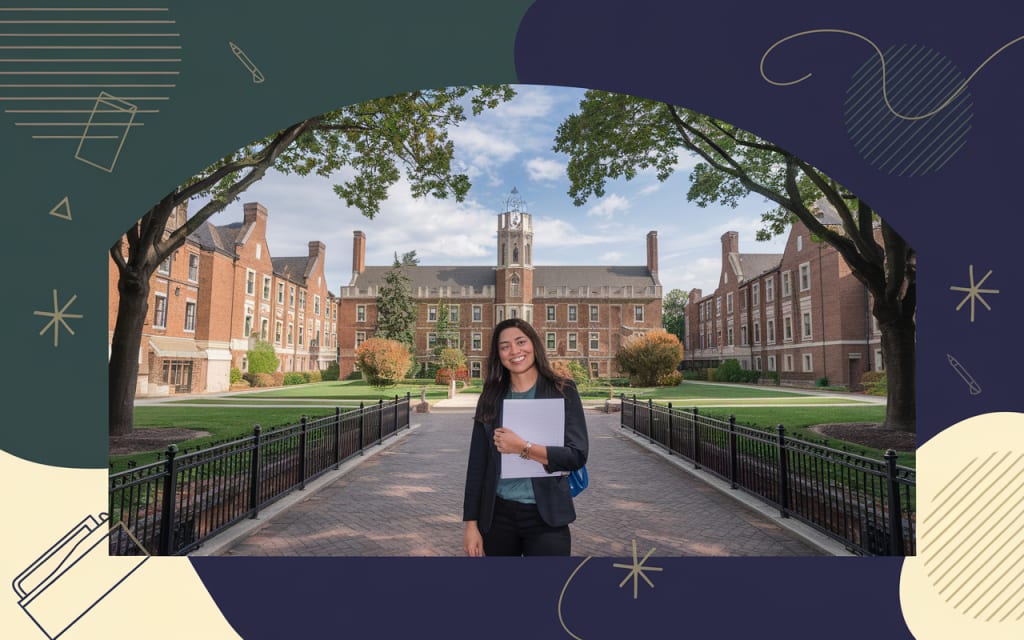
Let’s be honest, applying to Ivy League schools can be pretty intimidating. These schools are known for their incredibly high standards, and with thousands of applicants vying for limited spots, it’s easy to feel overwhelmed. But here’s a secret: your personal statement can be the golden ticket that sets you apart from the crowd.
Your personal statement is more than just another part of the application—it’s the part where you get to say, “Hey, this is who I really am, and here’s why I’d be a great fit for your school.” Sounds pretty important, right? So, let’s dive into how you can craft a personal statement that’ll leave Ivy League admissions committees thinking, we need this person at our school.
1. Start with a Bang (No Pressure, Right?)
The first sentence of your personal statement is like a first impression. You know how important first impressions are! If you want to grab their attention from the get-go, start with something unexpected, exciting, or even a bit quirky. No clichés, though. Please, no “I’ve always dreamed of attending this school…” We’ve heard it a thousand times!
Instead, think about a personal experience that changed you or opened your eyes in some way. For example: "I didn’t expect a rainy afternoon at the bus stop to teach me the value of patience, but here we are."
Something like that sparks curiosity and makes them want to keep reading. And let’s be real, getting someone to actually want to keep reading a pile of applications? That’s a win.
2. Tell Your Story—Not Someone Else’s
We all know Ivy League schools want students who are smart, accomplished, and driven. But the truth is, there are a lot of people like that. What they really want is someone with a unique story—someone who brings something different to the table. And guess what? That’s where you come in.
Think about the experiences that have shaped you. Don’t just list your accomplishments (they can see those on your résumé anyway). Instead, dive into the “why” behind what you’ve done. Maybe you were inspired to start a tutoring program because you struggled with a particular subject and didn’t want others to go through the same thing. Or perhaps a family trip to a foreign country opened your eyes to a passion for global policy.
The key here is to share a piece of yourself that isn’t obvious from the rest of your application. After all, they’re not just accepting grades and awards—they’re accepting people.
3. Ivy League Schools Love Values—Show Them Yours
Okay, here’s a little secret about Ivy League schools: They don’t just care about your academic record. Shocking, right? They’re also deeply invested in who you are as a person. That means they want to know what drives you, what you stand for, and how you’ll contribute to their campus community.
If you’re applying to Princeton, for example, you might want to emphasize your commitment to community service or leadership. Harvard? Maybe you highlight your passion for social change. Each school has its own vibe and values, so do a bit of research to figure out what they prioritize—and show how you align with that.
For instance, if you led a charity drive at your high school, don’t just say, “I led a charity drive.” Talk about why it mattered to you: "Helping organize this event wasn’t just about raising money—it was about creating a space where our school could come together to make a real difference in our community."
That’s the kind of stuff that gets Ivy League schools nodding their heads.
4. Show, Don’t Tell (Yes, It’s Still True)
Ever hear the phrase “show, don’t tell”? Yeah, it’s used all the time in writing—and for good reason. Saying something like “I’m a hard worker” doesn’t really mean much without context. But if you show them an example of your hard work, it sticks.
Instead of saying, “I’m determined,” say something like: "When I was preparing for the math Olympiad, I spent countless weekends at the library, combing through textbooks. There were moments when I wanted to quit, but the satisfaction of solving each problem kept me going."
Now, they see your determination in action, and it’s way more convincing.
5. Growth and Self-Reflection: Yeah, They Care About That
Ivy League schools aren’t looking for perfect people. They’re looking for students who can grow, reflect, and learn from their experiences. So, don’t be afraid to talk about your struggles or failures. In fact, showing how you’ve overcome a challenge can make your application even stronger.
For example, maybe you bombed a big test. (Haven’t we all?) Rather than just glossing over it, talk about how that experience shaped you: "Failing my chemistry exam was tough, but it taught me an important lesson in resilience. I had to learn how to manage my time better, ask for help, and not be afraid to make mistakes."
This not only shows maturity but also that you’re someone who can bounce back and keep going.
6. Be You, Not a Robot
Here’s the thing: Ivy League admissions officers can tell when you’re being fake. Don’t try to write what you think they want to hear. Write what’s true to you. The more authentic your personal statement, the better.
If you’re funny, let a little humor shine through. If you’re passionate about something, show that passion. The goal is to sound like yourself—not like a polished, generic applicant.
7. Wrap It Up Strong
You’ve got their attention, you’ve told your story, and now you’re ready to finish strong. Don’t just end with, “Thank you for considering my application.” That’s boring.
Instead, bring your story full circle. If you started with a particular anecdote, refer back to it in your conclusion. For example: "That rainy afternoon at the bus stop? It’s a reminder to me that patience and persistence are key—not just in life, but in everything I pursue."
Boom. Full circle. It leaves them with a lasting impression of who you are.
8. Polish It (But Don’t Overdo It)
Once you’ve written your personal statement, don’t hit submit right away. Give yourself time to revise and get feedback from others. But—and this is a big but—don’t polish it so much that it sounds robotic. You want it to feel natural, like a conversation. Leave some quirks in there. That’s what makes it real.
Final Thoughts
At the end of the day, your personal statement is your opportunity to stand out and show Ivy League schools who you are beyond your test scores and grades. It’s your chance to say, “This is me, and this is why I’m a great fit for your school.”
Just remember to be authentic, tell your story, and let your personality shine. And if you need help pulling it all together, professional personal statement writing services can guide you through the process.
Good luck—you’ve got this!
About the Creator
Noah Elijah
Hi, I’m Noah Elijah, a freelance writer and education expert. I’m dedicated to helping students and educators thrive by sharing practical tips and strategies that make learning accessible and impactful. Let’s make education better together!
Keep reading
More stories from Noah Elijah and writers in Education and other communities.
How to Apply for a Research Grant at Massachusetts Institute of Technology (MIT)
Applying for a research grant at the Massachusetts Institute of Technology (MIT) can be an exciting but complex process. With its world-renowned reputation in science, technology, and innovation, securing a research grant at MIT is an excellent opportunity for students and faculty alike. Whether you’re an undergraduate, graduate student, or faculty member, this guide will help simplify the process and provide practical tips to increase your chances of success.
By Noah Elijahabout a year ago in Education
From Expertise to Excellence: Advancing Patient Care Through Professional Experience
In the modern healthcare environment, delivering outstanding patient care requires more than academic training or technical qualifications. While medical knowledge is essential, true excellence comes from real-world experience, continuous improvement, and the ability to connect with patients on a human level. The transition from expertise to excellence is shaped by years of practice, compassion, and dedication to better outcomes.
By Yousuf A. Gaffar, M.Dabout 10 hours ago in Education


Comments
There are no comments for this story
Be the first to respond and start the conversation.