
Say Goodbye to Kidney Stones: Laser Removal Treatment at SDC Prostate Research & Training Centre, Kerala
SDC
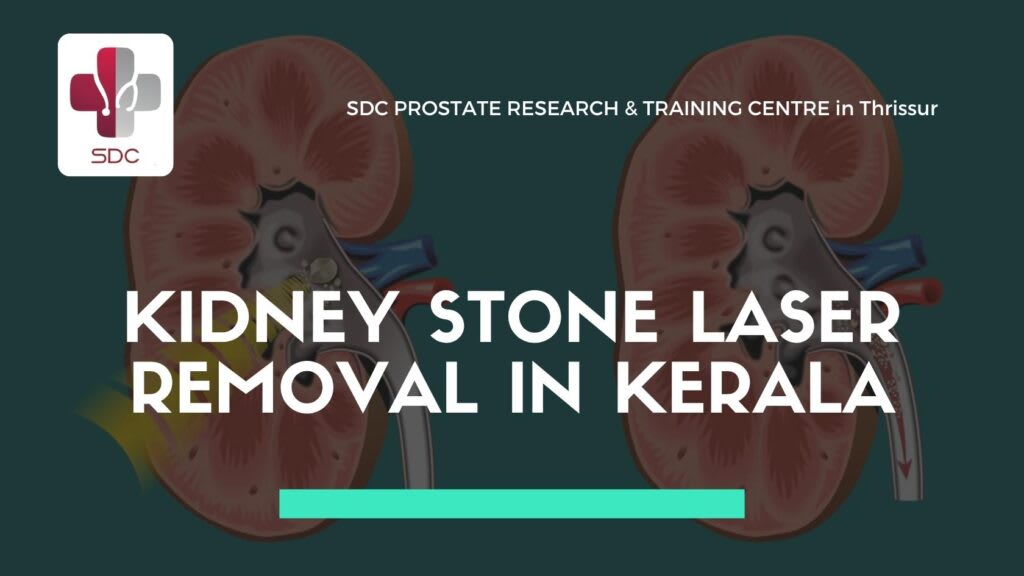
Kidney stones are a common and painful medical condition affecting millions worldwide. Fortunately, medical advancements have introduced highly effective and minimally invasive treatments, such as kidney stone laser removal in Kerala. At SDC Prostate Research & Training Centre in Thrissur, Kerala, patients benefit from cutting-edge technology and expert care that ensure faster recovery and better outcomes. In this comprehensive article, we will explore everything you need to know about kidney stone laser removal, its advantages, the procedure, aftercare, and why SDC Prostate Research & Training Centre is your best choice for treatment in Kerala.
What Are Kidney Stones?
Kidney stones, medically referred to as renal calculi, are solid, hard deposits that form inside the kidneys due to the crystallization of minerals and salts. These stones can vary widely in size—from as small as a grain of sand to as large as a golf ball—and shape. When kidney stones move through the urinary tract, they often cause intense pain, discomfort, and sometimes complications like urinary blockage or infection. The severity of symptoms depends largely on the size and location of the stone.
Causes of Kidney Stones
The formation of kidney stones is influenced by multiple factors, including lifestyle, diet, medical conditions, and genetics. Understanding these causes is crucial to both prevention and effective treatment:
1. Dehydration
One of the leading causes of kidney stones is dehydration. When the body lacks sufficient water intake, the urine becomes highly concentrated with minerals and salts. This concentrated urine increases the likelihood of crystals forming and aggregating into stones. Staying well-hydrated is essential to reduce this risk.
2. Diet
Dietary habits play a significant role in kidney stone formation. Consuming a diet high in salt (sodium), sugar, and animal protein increases the concentration of stone-forming substances in urine. Excessive salt can cause calcium retention, which can lead to calcium-based stones. Similarly, diets rich in oxalate-containing foods, like spinach and nuts, may contribute to stone formation.
3. Obesity
Obesity is associated with changes in the body’s metabolism, which can increase the risk of kidney stones. Overweight individuals often have higher levels of substances like uric acid, which can contribute to stone formation.
4. Certain Medical Conditions
Some medical conditions increase the risk of kidney stones. For example, gout causes elevated uric acid levels that can crystallize into stones. Urinary tract infections can also create an environment conducive to the development of struvite stones.
5. Genetics
A family history of kidney stones significantly raises the likelihood of developing stones. Genetic factors influence how the body processes minerals and fluids, predisposing some individuals to stone formation.
Symptoms of Kidney Stones: What You Need to Know
Kidney stones are hard deposits made of minerals and salts that form inside your kidneys. They can cause a range of uncomfortable and sometimes severe symptoms. Recognizing these symptoms early is vital to avoid complications and receive timely treatment.
1. Severe Pain in the Back, Side, or Lower Abdomen
One of the most common and alarming symptoms of kidney stones is intense pain, often described as sharp, cramping, or stabbing. This pain typically starts suddenly and may fluctuate in intensity. It usually originates in the back or side, just below the ribs, and can radiate toward the lower abdomen and groin. This pain occurs because the stone obstructs the flow of urine, causing pressure build-up and muscle spasms in the urinary tract.
2. Blood in Urine (Hematuria)
Kidney stones can cause irritation and damage to the delicate lining of the urinary tract. As a result, patients often notice blood in their urine. The urine may appear pink, red, or brownish, depending on the amount of bleeding. Sometimes, blood is only detectable under a microscope.
3. Frequent Urge to Urinate or Painful Urination
As stones move closer to the bladder or urethra, they can cause urinary irritation. This leads to an increased frequency of urination, a constant urge to urinate even when the bladder is empty, or a burning sensation during urination. These symptoms can be mistaken for urinary tract infections but are commonly associated with kidney stones as well.
4. Nausea and Vomiting
The intense pain caused by kidney stones can trigger nausea and vomiting. This is partly due to the body’s response to severe pain and the close connection between the kidneys and the gastrointestinal tract via shared nerve pathways.
5. Fever and Chills (If Infection Occurs)
If a kidney stone blocks the urinary tract for a prolonged period, it can lead to a urinary tract infection or even a serious kidney infection. This may cause fever, chills, and general malaise. The presence of fever alongside kidney stone symptoms is a medical emergency and requires immediate attention.
Why Early Consultation is Important
If you experience any symptoms such as severe flank pain, blood in urine, frequent urination, or a burning sensation during urination, it is crucial to consult a healthcare specialist promptly. Early consultation can help diagnose the underlying cause—often kidney stones—before complications arise. Delaying medical advice can lead to worsening conditions such as urinary tract infections, kidney damage, or uncontrollable pain that might require emergency treatment.
Timely medical intervention allows for less invasive and more effective treatment options, including advanced procedures like kidney stone laser removal in Kerala. This modern technique is minimally invasive, reduces recovery time, and significantly lowers the risk of complications compared to traditional surgical methods. Seeking early consultation not only improves treatment outcomes but also helps preserve kidney function and overall health. Ignoring symptoms or postponing diagnosis increases the risk of stones growing larger or causing blockages, which may necessitate more complex interventions. Therefore, if you suspect kidney stones or related urinary problems, do not delay—consult a specialist immediately to explore effective treatments such as kidney stone laser removal in Kerala and safeguard your health.
What is kidney stone laser removal?
Kidney stone laser removal in Kerala is a minimally invasive procedure that uses laser energy to break kidney stones into smaller fragments that can be easily passed or removed. This advanced technique is preferred over traditional surgery because it causes less pain, has fewer complications, and allows for faster recovery.
Advantages of Kidney Stone Laser Removal
Minimally invasive with no external incisions
Reduced hospital stay—often outpatient or 1-day stay
Faster recovery and less pain
High success rate, even for large stones
Minimal risk of complications
How to Prevent Kidney Stones After Laser Removal Surgery
Prevention is key to avoiding future kidney stones:
Drink plenty of water — aim for 2-3 liters per day
Maintain a balanced diet low in salt and animal protein
Limit oxalate-rich foods like spinach, nuts, and chocolate if advised
Avoid excessive vitamin C supplements
Manage weight and stay active
Follow your doctor’s recommendations for medications or supplements if prescribed
Contact Details
SDC Prostate Research & Training Centre
Kanimangalam, Thrissur, Kerala, 680027
Email: [email protected]
Phone No: +91 7034449099
Common Questions About Kidney Stone Laser Removal in Kerala
1. How effective is kidney stone laser removal?
Laser removal is highly effective, with success rates above 90% in most cases.
2. Is the procedure painful?
Thanks to anesthesia, patients experience minimal pain during the procedure. Some discomfort may be felt afterward.
3. How long does recovery take?
Most patients recover within 3 to 7 days, with full activity resumption after 1-2 weeks.
4. Are there any risks or complications?
Risks are minimal but may include bleeding, infection, or injury to the urinary tract.
5. Can all kidney stones be treated with laser removal?
Most stones up to 2 cm can be treated. Larger stones may require multiple sessions or other treatments.
6. How long do I need to stay in the hospital?
Often it is a day-care procedure or a 1-day hospital stay.
7. Will I need a stent after the procedure?
Sometimes a temporary ureteral stent is placed to help urine flow and reduce discomfort.
8. How much does kidney stone laser removal cost in Kerala?
Costs vary depending on the stone size and hospital but are generally affordable at the SDC Prostate Research & Training Centre.
9. Is kidney stone laser removal covered by insurance?
Most health insurance plans cover laser lithotripsy, but confirmation with your insurer is recommended.
10. How to prevent kidney stones after laser removal surgery?
Stay hydrated, avoid excessive salt and protein intake, and follow medical advice on diet and lifestyle.
About the Creator
Keep reading
More stories from Salma D plus connect and writers in Education and other communities.
Unlock Radiant Skin with the Best Skin Care Specialist Near Palakkad – Dr. Arathy’s Revive Skin & Cosmetology Clinic
In today’s fast-paced world, achieving glowing, healthy skin is no longer a luxury—it’s a necessity. Whether you're battling acne, pigmentation, or wrinkles or simply want to enhance your natural beauty, choosing the right skin care specialist near Palakkad can be the game-changer your skin truly deserves. Nestled in the heart of Palakkad, Dr. Arathy’s Revive Skin & Cosmetology Clinic has emerged as the go-to destination for holistic skin care and advanced cosmetic treatments.
By Salma D plus connect8 months ago in Education
Think Before You Build: How to Test a Business Idea the Smart Way
Launching a business without validation is like setting sail without checking the weather. You may feel confident at the start, but unseen risks can quickly turn excitement into regret. Many entrepreneurs lose time and money not because they lack skill or effort, but because they skipped the crucial step of validating their idea before committing fully.
By Rushi Mancheabout 19 hours ago in Education
Rethinking Math Education in the 21st Century: Lessons from the Casie Hynes Perspective
Mathematics has long been considered a fundamental pillar of education. It develops critical thinking, nurtures problem-solving abilities, and plays an essential role in science, technology, engineering, and finance. Yet despite its importance, math remains one of the most challenging and misunderstood subjects for students worldwide. As we step deeper into a data-driven era, reforming how we approach math education is more urgent than ever.
By Casie Hynes5 days ago in Education




Comments
There are no comments for this story
Be the first to respond and start the conversation.