
"Safeguarding: Ensuring Protection and Safety for All".
"The Importance of Education, Policies, Training, Collaboration, and Technology in Preventing Abuse and Responding Appropriately".
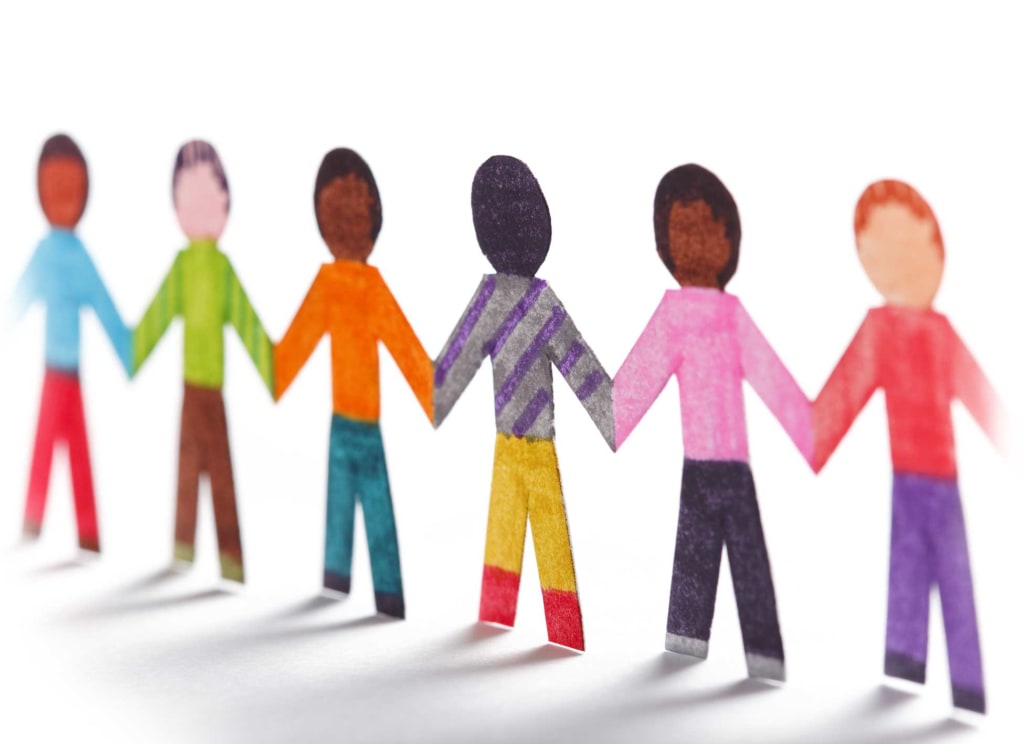
Safeguarding is a critical concept that ensures the protection of individuals, especially children and vulnerable adults. It is a process that involves taking measures to prevent harm, reduce the risk of abuse, and respond appropriately when abuse does occur. Safeguarding is vital in creating a safe environment where everyone can live, work, and play without fear of harm or abuse.
There are many different aspects to safeguarding, and it requires a multi-disciplinary approach. Education and awareness are key components in safeguarding, as it is essential to understand the different forms of abuse and how to recognize them. Abuse can take many forms, such as physical, emotional, sexual, or financial, and it is crucial to be aware of the signs and symptoms of each.
Safeguarding also involves the implementation of policies and procedures that help to prevent abuse and respond appropriately when it occurs. Organisations should have clear guidelines in place to ensure that all staff members are aware of their responsibilities and obligations. This includes having a designated safeguarding officer who is responsible for overseeing safeguarding practices and responding to concerns or incidents of abuse.
Training is also an essential component of safeguarding, as it helps to ensure that staff members are equipped with the necessary skills and knowledge to identify, prevent and respond to abuse. Training should be ongoing, and staff members should be encouraged to report any concerns or incidents of abuse promptly.
Effective safeguarding also requires collaboration and partnership working between different organisations and agencies. This can include health and social care providers, the police, and local authorities. By working together, organisations can share information and resources to provide a coordinated approach to safeguarding.
The role of technology in safeguarding should not be overlooked. The internet and social media have created new opportunities for abuse, such as online grooming and cyberbullying. It is essential to ensure that online safety is included in safeguarding policies and that staff members are trained in online safety.
In conclusion, safeguarding is a critical concept that requires a multi-disciplinary approach. Education, awareness, policies, procedures, training, collaboration, and technology are all essential components of effective safeguarding. By working together, we can create a safe environment where everyone can live, work, and play without fear of harm or abuse.
Safeguarding is not just about responding to abuse; it is also about preventing it. This involves creating a culture of safety and respect, where everyone feels valued and supported. This can be achieved through promoting positive behaviours and attitudes, setting clear boundaries, and empowering individuals to speak out if they have concerns.
Safeguarding is not just the responsibility of one person or organisation. It is everyone's responsibility to ensure that vulnerable individuals are protected from harm. This includes parents and caregivers, educators, health and social care professionals, and members of the community.
Safeguarding is not just about protecting children and vulnerable adults. It is also about promoting equality and diversity, challenging discrimination, and ensuring that everyone has access to the same opportunities and services.
Safeguarding is not just about responding to incidents of abuse. It is also about supporting individuals who have experienced abuse, whether this is through providing emotional support, accessing medical care, or helping them to access legal advice.
Safeguarding is not a one-off process. It is an ongoing commitment that requires continuous evaluation and improvement. This involves reviewing policies and procedures regularly, seeking feedback from individuals and organisations, and learning from incidents of abuse.
Safeguarding can be challenging, and there may be conflicts between different priorities and obligations. For example, there may be tension between protecting an individual's privacy and ensuring their safety. It is important to approach these challenges with sensitivity and to seek advice and support when needed.
Overall, safeguarding is a complex and multi-faceted concept that requires a collaborative and holistic approach. By working together, we can create a society that is safe and supportive for everyone.
About the Creator
Keep reading
More stories from writers in Education and other communities.
Oppression of a Laborer
Oppression of a Laborer Mubashir worked in a factory and was the sole breadwinner of his household. The responsibility of supporting his wife, children, and elderly parents rested entirely on his shoulders. For fifteen long years, he had worked tirelessly in the same factory for a very low salary. Despite his dedication and loyalty, his financial condition never improved, and his basic rights as a worker were consistently ignored.
By Sudais Zakwan7 days ago in Education
Is Light a Wave or a Particle?
What Is Light? Light is a form of electromagnetic radiation. It carries energy, travels through empty space, and allows us to see the universe. From radio waves to gamma rays, light spans a vast spectrum, but visible light is only a small part of it.
By shahkar jalala day ago in Education




Comments
There are no comments for this story
Be the first to respond and start the conversation.