
Safe Risks: Building Confidence Through Challenge in Nursery
Encouraging Healthy Risk-Taking

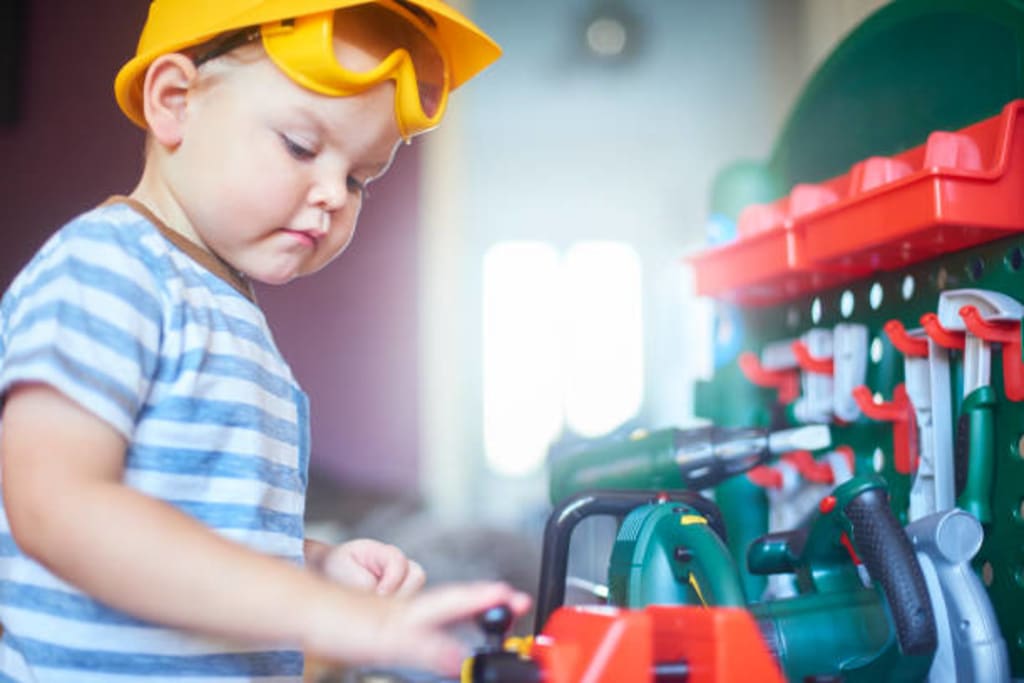
Childhood is full of firsts: first steps, first words, first friendships—and first leaps into the unknown. For young children, the world is a vast place waiting to be explored, tested, and understood.
While the word “risk” can make adults wary, the truth is that safe risks are an essential part of learning. In early years settings, thoughtful exposure to challenge helps children develop confidence, resilience, and self-belief.
When educators and parents work together to create an environment where safe risks are encouraged and celebrated, children thrive. They become not just more capable learners, but more resourceful and emotionally secure human beings.
What Are Safe Risks—and Why Do They Matter?
Safe risks are not the same as reckless hazards. Instead, they are carefully structured experiences that allow children to test their limits in a controlled, supervised way.
These moments can look deceptively simple: a child balancing on a low beam, climbing a tree stump, using real scissors, or daring to speak in front of their peers.
Yet underneath these small acts are some of the most important developmental processes of early childhood:
- Building Physical Skills: Risky play challenges gross and fine motor skills in a real-world context. When a child learns to climb or balance, they also learn spatial awareness and body control.
- Nurturing Emotional Strength: Every time children attempt something they find challenging, they confront uncertainty and fear. Succeeding builds confidence. Failing—and then trying again—builds resilience.
- Developing Problem-Solving: Risks invite children to assess a situation, make decisions, and adjust their approach when needed.
- Encouraging Independence: Safe risks give children ownership over their actions, showing them that their choices have impact.
The Role of the Nursery Environment
At a high-quality early years setting such as a herne hill nursery, educators design the classroom and outdoor spaces to naturally invite exploration and experimentation. You might find:
- Sturdy climbing frames at just the right height to feel exciting but not overwhelming.
- Open-ended materials like logs, crates, and planks children can arrange themselves.
- Natural spaces that feel a little “wild,” like gardens with uneven ground or hidden corners.
- Real-life tools like child-safe hammers, peelers, or gardening equipment.
These spaces communicate trust. They send the message that children are capable, competent, and worthy of responsibility.
How Educators Support Safe Risks
Educators in nurseries skilled in this approach understand that their role isn’t simply to prevent every fall or frustration. Instead, they become guides and co-adventurers, modelling calm, positive attitudes toward challenge.
Instead of constant warnings like “Be careful!” they might say:
“What’s your plan for climbing up there?”
“How will you come down safely?”
“Show me how you’re keeping your body steady.”
This language shifts the responsibility gently toward the child, giving them space to think and problem-solve. It also fosters a sense of shared trust.
Examples of Safe Risks in Nursery Learning
Safe risks can happen in any area of nursery life:
Physical Play
Whether climbing, balancing, running fast, or jumping off a low platform, physical challenges help children tune into their bodies. In these moments, they learn about gravity, friction, and their own limits.
Social and Emotional Risks
It takes courage to approach a new friend or share an idea during group time. Educators can scaffold these experiences by offering scripts (“Would you like to play with me?”) and praise (“I noticed you used kind words to invite her.”).
Creative Risks
Expressing yourself through art, music, or storytelling means being vulnerable. Children learn to cope with the uncertainty of showing their ideas to others.
At a preschool in herne hill, you might see children engaged in messy, creative projects with materials they’ve never tried before. They learn it’s okay to make mistakes—and sometimes, mistakes lead to the most exciting discoveries.
Parent Partnerships: Reassuring Families About Safe Risk
For parents, it’s natural to feel anxious about risk, even in small doses. That’s why transparency and communication are essential. Educators can share:
- Photos and videos of children engaged in challenges.
- Observations about how each child approached the experience.
- Stories of how the child solved a problem or built confidence.
When parents see evidence of learning and joy, they come to trust that risk doesn’t mean danger—it means growth.
The Lasting Impact of Safe Risks
When children have frequent opportunities to test themselves, a powerful shift occurs. They internalise the belief:
“I am capable. I can try hard things. I can figure it out.”
These lessons have far-reaching benefits:
- Greater persistence in school.
- Stronger emotional regulation.
- More resilience in the face of setbacks.
- A positive attitude toward learning and challenge.
Creating a Culture of Encouragement
Building confidence through safe risks is not a one-time event. It’s a culture that grows daily, woven into every routine, from outdoor play to snack time.
When children are trusted to explore, they feel valued. When they are given the chance to make decisions, they learn to trust themselves.
And when adults celebrate not just success but the courage to try, children develop an unshakable sense of self-worth that will carry them far beyond the nursery years.
Conclusion
Nursery is not just a place to be cared for—it’s a place to become. In a supportive environment where safe risks are part of everyday learning, children discover what they’re made of. They learn that even small shoulders can carry big feelings, big ideas, and big dreams.
By blending thoughtful supervision with the freedom to explore, nurseries help children become resilient, confident, and ready to take on the world.
About the Creator
William Henry
At Best Independent Schools UK, we are here to make your journey smoother by providing detailed information about some of the best nurseries and preparatory schools in England
Keep reading
More stories from William Henry and writers in Education and other communities.
Talking Toddlers: Effective Strategies to Boost Early Communication
The journey from babbling baby to confident communicator is one of the most exciting—and important—parts of early childhood development. For toddlers, every gesture, sound, and first word marks a huge step forward in their understanding of the world and their ability to connect with others.
By William Henry8 months ago in Education
Book Tasting Cafe
I’m always looking for ways to get my students interested in new books. When I received the new books this year, I decided to make introducing them to the students a little more fun. Normally I just pull them from the boxes, process them, and put them on display. This time I decided to start with unboxing videos. While the video of the unboxing of non-fiction books was too long to post online, I was able to post the videos for the other books so the students could see them. I also posted them on my Instagram.
By Reb Kreylingabout 9 hours ago in Education
The Edwardian Era
“I shall go on. I shall work to the end” (Edward VII) During this period in history, everyday items that we take for granted today were just being invented and medicine improved tremendously. Fashion changed, mainly for women, as did ‘women’s role’ in society. The horse and carriage started to disappear in favour of the motor car and the telephone became the modern means of communication. The new invention called the “Photograph” took sepia pictures of daily life in the Edwardian Era. Also, electricity and indoor plumbing started to become the norm.
By Ruth Elizabeth Stiff5 days ago in Education
Bomb Scare
It was 2027, and the world never thought it would happen. A missle hit the United States, but it wasn't where they had anticipated. A little town in the northeast was hit by a missile strike, they didn't know why, and they didn't know exactly where it hit, but they did know it was a coastal community, somewhere between Maine and Delaware.
By Gregory Paytona day ago in Fiction


Comments
There are no comments for this story
Be the first to respond and start the conversation.