
Sadqa-e-Fitr: A Vital Charity in Islam
Sadqa e Fitr Importance

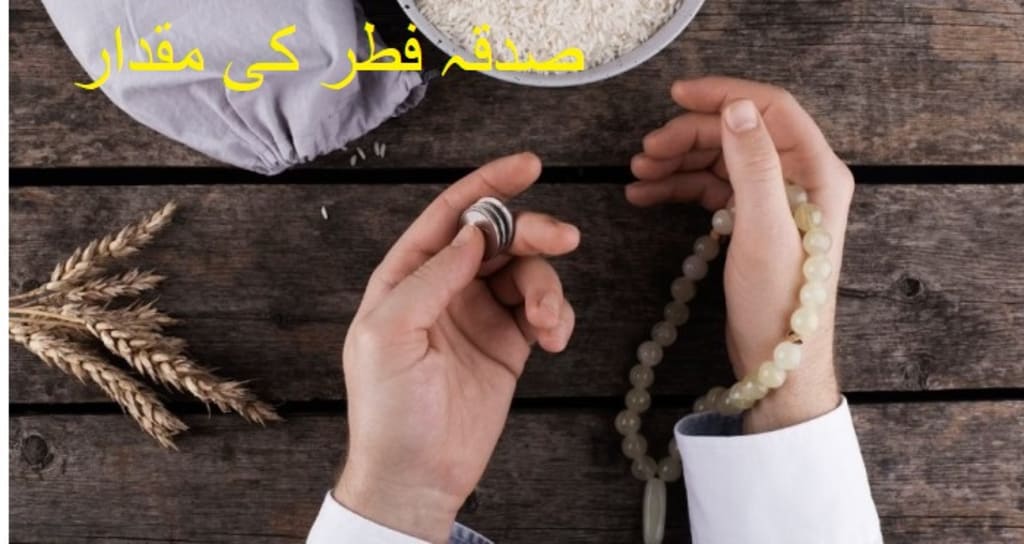
Sadqa-e-Fitr, also known as Zakat al-Fitr, is a compulsory charity given by Muslims at the end of Ramadan before the Eid-ul-Fitr prayer. This charitable act serves as a way to purify the fasts from any minor mistakes or shortcomings and allows the less fortunate to partake in the Eid festivities. It is an expression of gratitude to Allah for enabling a person to complete the fasts of Ramadan.
Purpose and Significance of Sadqa-e-Fitr
Sadqa-e-Fitr is a religious obligation for every Muslim who has the financial means to give it. It serves two main purposes:
- Spiritual Cleansing: It compensates for any unintentional errors or inappropriate behavior that may have occurred during fasting.
- Social Welfare: It provides financial assistance to those in need, allowing them to celebrate Eid with dignity and joy.
The Prophet Muhammad ﷺ emphasized the importance of Sadqa-e-Fitr, stating that fasting remains incomplete until this charity is given. This underscores its role in completing one’s worship during Ramadan.
Who Must Pay Sadqa-e-Fitr?
Sadqa-e-Fitr is obligatory on:
- Every Muslim who possesses wealth beyond their essential needs.
- The head of the family, who should also pay on behalf of their dependents, including minor children.
- This obligation applies regardless of age or gender, ensuring that the entire household contributes to social welfare.
Sadqa-e-Fitr Ki Miqdar (Amount of Sadqa-e-Fitr)
The amount of Sadqa e Fitr is traditionally calculated as one Sa' (approximately 2.5 to 3 kg) of basic food items such as:
- Wheat
- Barley
- Dates
- Raisins
Alternatively, the monetary equivalent of these food items can be given.
The value of Sadqae Fitr ki miqdar varies based on local market prices. It is recommended to check with local Islamic organizations for the exact rate each year.
Paying in cash allows beneficiaries to meet their specific needs more effectively.
Timing of Sadqa-e-Fitr
- Preferred Time: Before the Eid prayer on the day of Eid-ul-Fitr.
- Permissible Time: During the last few days of Ramadan.
- Discouraged Time: After the Eid prayer, as it loses its significance if delayed.
Paying Sadqa-e-Fitr before the Eid prayer ensures that the needy receive it in time to participate in the Eid celebrations.
Who Can Receive Sadqa-e-Fitr?
Recipients of Sadqa-e-Fitr include those eligible for Zakat, such as:
- The Poor (Faqir): Individuals whose income is insufficient for their basic needs.
- The Needy (Miskin): People facing severe poverty.
- Debtors (Gharimeen): Those struggling with debts.
- Travelers (Ibn-us-Sabil): Stranded or needy travelers.
It is advisable to give preference to needy relatives, as this strengthens family bonds while fulfilling the charity obligation.
Why is Sadqa-e-Fitr Important?
- Spiritual Purification: It purifies the fasting person from any minor sins or errors made during Ramadan.
- Social Responsibility: It uplifts the less fortunate, ensuring they can celebrate Eid without financial burdens.
- Community Harmony: By helping those in need, Sadqa-e-Fitr promotes compassion, generosity, and social equality within the Muslim community.
Difference Between Zakat and Sadqa-e-Fitr
- Zakat: An annual charity on accumulated wealth, calculated as 2.5% of savings.
- Sadqa-e-Fitr: A one-time charity given before Eid-ul-Fitr, directly linked to fasting in Ramadan.
While Zakat is obligatory for those who meet the Nisab (minimum wealth threshold), Sadqa-e-Fitr is mandatory for all Muslims who can afford it, regardless of the amount of wealth they possess.
Conclusion
Sadqa-e-Fitr is more than just a charitable act; it is a form of worship that completes the fasting of Ramadan. It symbolizes gratitude, compassion, and social responsibility. By understanding its importance and correctly calculating Sadqa-e-Fitr ki miqdar, Muslims can not only purify their fasts but also spread happiness among the underprivileged during Eid.
May Allah accept our fasting, prayers, and charities, and grant us the ability to fulfill our duties with sincerity and generosity. Ameen.
About the Creator
Fatwa QA
Your trusted source for Islamic guidance, questions and answers. Explore pins on Islamic rulings (fatwas), daily spiritual tips, Quranic insights, and educational resources.
https://www.fatwaqa.com
What staying up all night does to your brain
You’re just one Roman Empire history final away from a relaxing spring break. But you still have so much to study! So you decide to follow in the footsteps of many students before you and pull an all-nighter. When you stay up all night, you're fighting against your body's natural circadian rhythms. These are the cyclical changes that virtually all living things experience over the course of a 24-hour period— such as sleeping and waking— and they’re heavily influenced by light. But for the moment, you're alert and powering through
By Munesh Yadav about 14 hours ago in Education
Driving Innovation: How Social Media, AI, and EV Growth Are Reshaping Automotive Marketing
The automotive industry is experiencing a marketing transformation fueled by rapid technological advancements, shifting consumer expectations, and a growing emphasis on sustainability. Social media platforms, artificial intelligence tools, and the expanding electric vehicle market now sit at the center of this evolution. These trends are not only influencing how brands communicate but also redefining how customers discover, research, and engage with vehicles. As a result, automakers and dealerships must adopt strategies that reflect modern digital behavior while building trust through clarity and authentic connection.
By Herve Comeauabout 18 hours ago in Education




Comments
There are no comments for this story
Be the first to respond and start the conversation.